Gorilla Permits Rwanda — 6 Years of Trusted Service
Gorilla trekking fitness matters more than any other factor in how much you enjoy the climb through Volcanoes National Park, and it starts with your permit from the Rwanda Development Board. This guide covers the honest training that works, the altitude factor, and the day-of strategy.
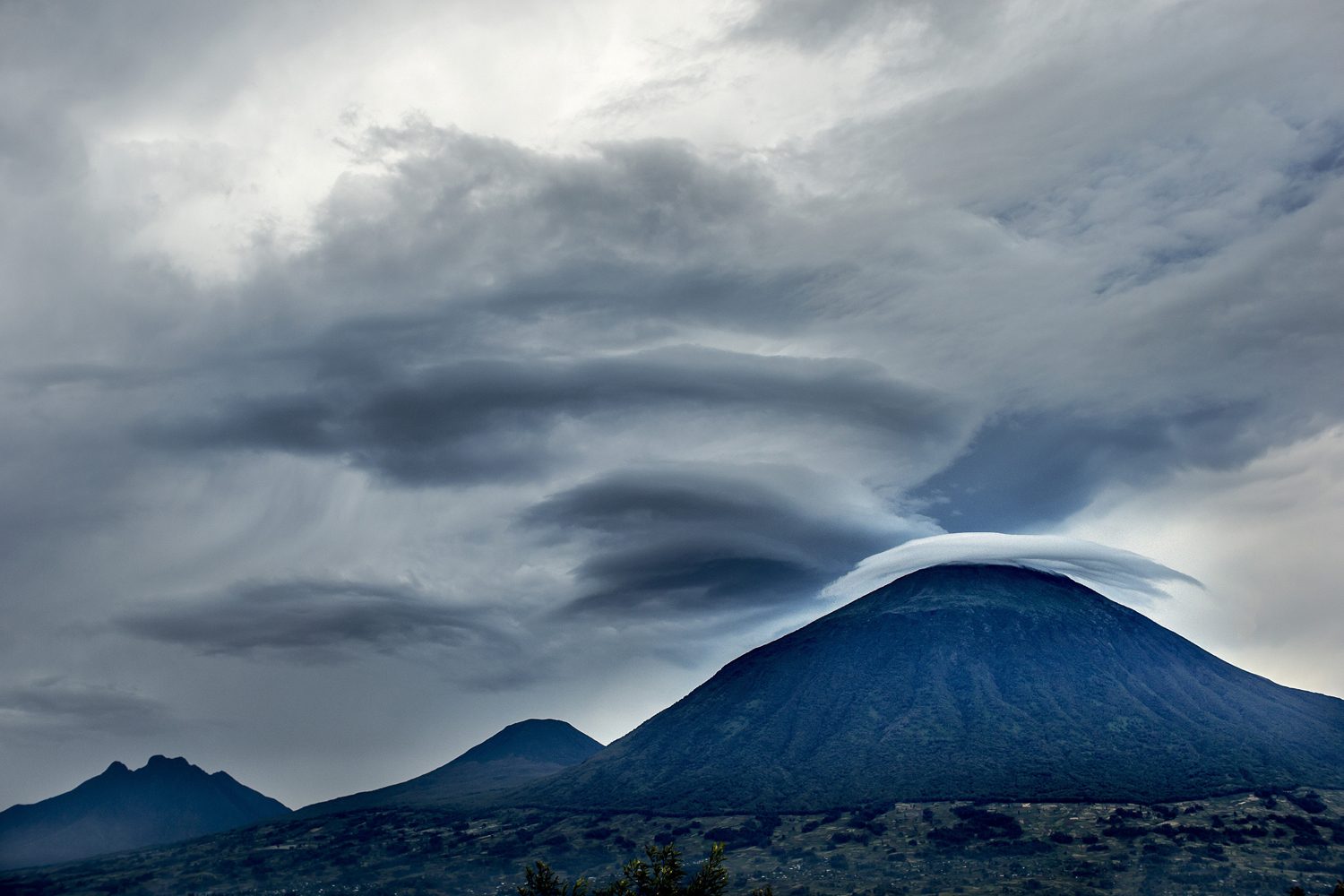
There is a conversation that happens quietly in every safari lodge the night before a trek, when the reality of gorilla trekking fitness suddenly feels very immediate. Guests look at each other across the dinner table, and someone eventually asks the question nobody wants to ask: how fit do I actually need to be for this? The honest answer is that gorilla trekking is a genuine mountain hike, and your enjoyment of it depends directly on your preparation. The good news is that the preparation is simple, achievable, and within reach of almost everyone.
The physical reality of gorilla trekking fitness is straightforward. You will walk for anywhere from thirty minutes to three hours each way, on narrow trails that climb and fall through a rainforest at altitudes between 2,400 and 3,200 metres. The trails are muddy, root-crossed, and sometimes steep enough to require hands-on-bamboo climbing. You will be carrying a daypack, though your porter can carry it for you, and you will be walking at a pace set by your group.
This guide tells you honestly what fitness the trek requires, gives you a training plan that works for real life, and explains how to manage the specific challenges of altitude, mud, and the long day. It is the same briefing we give our guests, written down so you can start preparing months before you fly.
Let’s be precise about what gorilla trekking fitness really demands. The key fitness components are cardiovascular endurance, leg strength, and balance. Cardiovascular endurance matters because the trek is sustained effort: hours of walking at altitude, where every step costs more oxygen than it would at sea level. Leg strength matters for the climbs, where you will lift your body weight up steep sections hundreds of times. Balance matters because the trails are uneven, and good balance keeps you upright and injury-free.
You do not need to be an athlete. The park’s guides are expert at pacing, and treks are designed so that a reasonably active person can complete them with effort but without heroics. What you do need is a baseline of fitness and, crucially, honesty with yourself about your limits. The trekkers who struggle are rarely the unfit ones who prepared honestly; they are the ones who assumed the trek would be a gentle forest stroll and arrived without training.
Age is less of a factor than fitness level. Fit travellers in their seventies trek successfully every year, and unfit travellers in their thirties struggle. The park sets a minimum trekking age of fifteen, but there is no effective maximum, and the limiting factor is always cardiovascular capacity and leg strength, not the number on your birth certificate.
The best training for a mountain hike is walking on varied terrain, and the good news is that you can build real gorilla trekking fitness without a gym. Start eight to twelve weeks before your departure, and train three to four times per week. The core of the programme is long walks: build up from sixty minutes to three hours over the course of your preparation, walking on hilly ground where you can find it, and carrying a weighted daypack to mimic the real conditions.
Add stair climbing or incline walking twice a week. Stairs are the single best training tool for gorilla trekking fitness, because they build exactly the leg strength the climb demands. If you have access to a stairwell, a hill, or a treadmill with incline, use it: twenty minutes of sustained stair climbing builds the quadriceps, hamstrings, and glutes that carry you up the volcano.
Add strength work twice a week if you can manage it. Squats, lunges, step-ups, and calf raises build the legs; planks and deadlifts build the core that protects your back on the uneven ground; and carrying a loaded pack builds the shoulders and back that hold your kit steady. Two thirty-minute sessions a week of simple bodyweight exercises are enough to make a visible difference.
Altitude is the wild card of gorilla trekking, and it deserves specific preparation. The trekking zone sits between 2,400 and 3,200 metres, altitudes where the air is thinner and every effort costs more. The body’s response to altitude is individual, and even fit people can feel breathless and headachey on the mountain, while less fit people sometimes breeze through. What you can do is prepare your cardiovascular system to work efficiently and, on the day, pace yourself.
Interval training is the closest you can get to altitude preparation at sea level. High-intensity intervals, short bursts of effort followed by recovery, improve your body’s oxygen efficiency and its ability to recover between efforts. If you can train at altitude, either by visiting a high city or using an altitude training mask, so much the better, but for most travellers, solid aerobic conditioning plus disciplined pacing on the day is the realistic and effective strategy.
On the trek itself, the altitude rules are simple: start slowly, take the breathers your guide offers, drink water regularly, and do not chase the front of the group. Your guide knows the trail and will set a sustainable pace. The trekkers who suffer altitude symptoms are almost always the ones who charged up the first section and spent the rest of the day recovering.
Your porter is a fitness tool as well as an economic one. For around US$20, a porter carries your daypack up and down the mountain, freeing you to focus on walking and photography, and providing a steadying hand on the steepest sections. There is no shame in hiring a porter, and there is no shame in taking their arm on a difficult descent: the porters are mountain professionals, and they have carried hundreds of guests through this exact terrain.
The structure of the trekking day also matters for your preparation. You will wake early, eat a proper breakfast, and be at the park headquarters by seven. The walk to the trailhead, the climb, the hour with the gorillas, and the walk back will take most of the day, and you will be on your feet for four to six hours in total. Train for long days as well as steep ones: a four-hour Sunday walk is closer to the real experience than a thirty-minute gym session.
And plan your rest. The day before the trek should be a travel and settle day, not a sightseeing marathon. Arrive at your lodge early, eat well, hydrate, and sleep. The difference between a well-rested trekker and an exhausted one is the difference between a great memory and a painful one, regardless of fitness.
Before booking a gorilla trek, consult your doctor about your travel plans, particularly if you have heart conditions, respiratory conditions, or mobility issues. The park operates a strict illness policy: visitors with coughs, colds, or fevers are refused trekking, because gorillas are vulnerable to human respiratory diseases. If you are at all unwell on the morning of the trek, tell your operator, and do not trek: the permit may be lost, but a gorilla family’s health is worth more.
Pregnancy requires a specific conversation with your doctor and with your operator. The trek involves altitude, rough terrain, and sustained exertion, and many operators and physicians recommend against it, but the decision is personal and medical. Similarly, if you have had recent surgery, joint problems, or balance issues, talk it through in advance, because the forest floor is unforgiving.
Carry any personal medication in your daypack, not your checked luggage, and bring a small first-aid kit with blister supplies. The guides carry medical kits and radios, and the park has evacuation procedures, but your preparation prevents the problems in the first place.
Fitness is as much mental as physical. The trek can feel long, especially if your family group is deep in the forest, and the ability to keep your head steady on a steep, muddy hour is a skill in itself. The mental toolkit is simple: break the trek into sections rather than thinking about the whole, focus on the next twenty steps rather than the next hour, and remember that the trackers know where the gorillas are and the walk has an end.
Pacing is the physical expression of mental control. Start deliberately slowly, keep a conversational pace, and take every water break your guide offers. If you feel breathless, stop: there is no shame in being last to the gorillas, and the encounter waits for the group. The rangers will not leave you behind, and your group mates will be grateful for a pace that works for everyone.
Finally, remember why you are walking. The trail leads to one of the rarest and most profound wildlife encounters on Earth, and every steep section is a down payment on that hour. When the mud deepens and the altitude bites, remind yourself that the silverback at the end of the trail has been waiting for you all morning, and keep walking.
If you have eight weeks before your trek, the plan is straightforward: walk three times a week, climb stairs twice a week, strengthen your legs and core twice a week, and take one long walk each weekend that builds from one hour to three. If you have less time, compress it: two long walks and two stair sessions a week will still build real capacity. If you have more time, add distance and weight, and consider a practice hike with a loaded pack.
Whatever your starting point, start now. The single biggest predictor of a great trek is preparation, and preparation is a decision you make today, not on the mountain. When the briefing ends at Kinigi and the group heads for the trailhead, you will know, in the deep confidence of trained legs, that you are ready.
And when the trek is behind you, keep the habit: the fitness that carried you up the volcano will carry you through the rest of your Rwanda safari, from the canopy walkway at Nyungwe to the game drives of Akagera. For the full itinerary around your trek, plan it with our team.
If you are reading this three weeks before your trek, or three weeks after a long sedentary stretch, the honest message is that there is still time to make a difference, and there is also a way to enjoy the trek regardless of your starting point. The park’s guides structure every trek around the slowest member of the group, not the fastest, and their entire professional ethos is about getting everyone safely to the gorillas and back. You will not be left behind, and you will not be hurried.
If your fitness is genuinely limited, your strategy is to lean on the day’s structures: arrive extra rested, start at the back of the group, hire a porter and hand over your entire pack, take every rest stop offered, and use a walking stick on the descents. Many of the treks offered by responsible operators now include a support system that can adapt pace and route to the group’s condition, and the rangers will cut a shorter route if the family is reachable that way, which they often are, because hhetically the gorillas settle close to the trail heads of their own favourite feeding areas.
There are also honest alternatives for those who want the encounter without the full physical challenge. The gorilla habituation experience and the classic trek both require a walk, but the trek is graded and the difficulty varies enormously by family and day. Discuss your capabilities with your operator in advance, choose your dates and groups with guidance, and reserve a rest day before the trek. With the right structure, visitors across a wide fitness range enjoy this experience every single week, and you can be one of them.
The mountains are patient, and so is the experience they hold.