Gorilla Permits Rwanda — 6 Years of Trusted Service
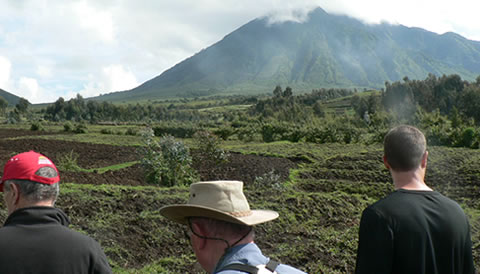
This 8 Days Rwanda Best Adventure Safari will give you a great memory of the Rwandan tour and you explore the Nyungwe National Park and Volcanoes National Park, adding in a visit to Lake Kivu to spice up your stay. You will also be able to interact with the local community as you go about your daily activities. You will be able to do gorilla trekking, chimpanzee trekking, and golden monkey trekking which is a lifetime adventure, before your flight out of the country, patched with great memories.
Upon arrival at Kigali International Airport, you will go through customs and immigration, and you will be met by our company guide who will warmly welcome you to the Land of a Thousand Hills that Rwanda is known for, a later drive to your booked hotel for the briefing about your 8 Days Rwanda Best Adventure Safari, then dinner and overnight stay at hotel.
Accommodation Options:
Meals: Dinner
After breakfast at the lodge, you will embark on the transfer back to Nyungwe. En route, you will stop at the King’s Palace Museum, where you will gain meaningful insights into Rwanda’s rich cultural heritage and traditional royal history. Following this visit, enjoy lunch along the way before continuing the journey toward Nyungwe National Park. You will arrive at your hotel in the afternoon, giving you ample time to relax and unwind as you await dinner and your overnight stay.
Accommodation Options:
Meal Plan: Breakfast, Lunch & Dinner
Today, after your early morning cap of African coffee, you will leave your hotel to experience the natural forest of Nyungwe well known for having 13 species of primates, and transferred to the park for briefing and chimpanzee trekking**.** You will be entitled to one hour of finding the chimpanzees. After completing the chimpanzee trek, you will head to lunch before heading back into the forest for the exhilarating canopy walk experience, offering breathtaking views of Nyungwe’s lush environment. After a truly rewarding day, return to your hotel for dinner and an overnight stay.
Accommodation Options:
Meal Plan: Breakfast, Lunch & Dinner
After enjoying your morning breakfast, proceed to the Gisakura Tea Plantation for an engaging and informative experience, where you will learn about the tea-growing process, traditional harvesting methods, and local production techniques. Following this visit, you will continue your journey to Lake Kivu. Upon arrival, you will embark on a scenic boat trip, offering a unique opportunity to explore several islands and appreciate the lake’s tranquil beauty. After lunch, you will be transferred to your hotel to relax and unwind as you await dinner and your overnight stay.
Accommodation Options:
Meal Plan: Breakfast, Lunch & Dinner
Today, after your relaxed morning breakfast, you will check out from the lodge and begin the scenic drive to Volcanoes National Park. Upon arrival, you will visit the Ellen DeGeneres Campus of the Dian Fossey Gorilla Fund, where you will gain valuable insight into the conservation initiatives, scientific research, and ongoing efforts dedicated to protecting and habituating the mountain gorillas. After this enriching experience, you will proceed to your hotel. The rest of the afternoon will be at your leisure an ideal time to relax and prepare for the following day’s thrilling gorilla trekking adventure.
Accommodation Options:
Meal Plan: Breakfast, Lunch & Dinner
After an early morning breakfast, you will be transferred to the park headquarters. You will meet with your ranger who will brief you about the code of conduct while are trekking gorillas. You will then enter the forest in search of the gorillas. The trekking may take 2-6 hours depending on the movement of the gorillas in the jungle and your group speed as well. Meet and stay with the gorillas for a maximum of one hour. After an unforgettable experience, you will walk back to the starting point, where you will be transferred to your lodge for lunch. Following lunch, you may choose to relax at the lodge at your leisure or opt for a cultural encounter at the Iby’Iwacu Cultural Village to gain insight into Rwandan culture. Dinner and an overnight stay will be at your hotel.
Accommodation Options:
Meal Plan: Breakfast, Lunch & Dinner
Today, after your warm early morning breakfast, our safari driver-guide will pick you up and transfer you to the park headquarters for a comprehensive briefing. You will then begin your golden monkey trekking experience, venturing into the forest in search of these playful and shy primates. The activity follows a similar structure to gorilla trekking, though it is generally less strenuous, offering an enjoyable and engaging wildlife encounter. After the trek, head to Ellen DeGeneres Campus of Diana Fossey to learn more efforts done to habituate and conserve gorillas, you will later return to the lodge for lunch and a refreshing shower. Once ready, you will proceed with the transfer back to Kigali for the diner and overnight stay.
Accommodation Options:
Today is the end of 8 Days Rwanda Best Adventure Safari. After your morning breakfast at your hotel, and later you head for a Kigali city tour, with a visit to Nyamirambo Women Centre, learn about the women’s cooperatives and their great work, and later visit the Kigali Genocide Memorial centre, learn about the history of the Rwanda genocide of 1994, later return and have lunch before transferring to the airport to catch up with your night flight back home.
Meal Plan: Breakfast & Lunch
Package includes:
Package Excludes:
This 8 Days journey is designed for travelers who want a well-paced, expertly coordinated experience in Rwanda. The schedule balances headline wildlife encounters with the practical travel time required between parks, towns, and lodges. Your final route is confirmed around permit availability, seasonal conditions, preferred accommodation level, and arrival or departure flights. Because every group travels differently, the published program should be treated as a strong foundation rather than a rigid timetable. Families, photographers, honeymooners, solo travelers, and private groups can all request adjustments. Early planning gives the widest choice of lodges and the best chance of securing limited gorilla or chimpanzee permits on the ideal date.
Your guide coordinates airport reception, road transfers, activity briefings, park entry, and lodge check-ins throughout the safari. Driving times in East Africa can vary because of weather, road works, wildlife sightings, and stops requested by guests. Scenic transfers are part of the experience, passing cultivated hills, busy trading centers, lakes, forests, and rural communities. Most days begin after breakfast, although trekking and game-drive days may start before sunrise. The itinerary includes sensible rest opportunities, meal breaks, and time to prepare equipment. Private transport allows the guide to adjust stops when practical, while still protecting confirmed permits and park schedules. Guests should share flight details and any mobility considerations before final confirmation.
Accommodation can be arranged in comfortable mid-range, premium, or luxury properties depending on budget and travel style. Selection is based on location, reliable service, cleanliness, responsible operations, and convenient access to the next activity. Rooms are normally offered on a sharing basis, with single rooms available at a supplement. Meal plans vary by destination; remote safari lodges commonly include breakfast, lunch, and dinner, while city stays may include breakfast only. Dietary requirements such as vegetarian, vegan, halal, gluten-free, allergies, or medical restrictions should be provided in advance. Drinking water is carried in the safari vehicle, and guides can recommend safe restaurants or arrange packed meals when the day’s route requires them.
Wildlife experiences take place in natural ecosystems, so sightings and trek duration cannot be guaranteed. Expert guides use current park information, animal behavior, tracks, calls, and local knowledge to create the strongest possible experience without disturbing wildlife. Gorilla and chimpanzee trekking may involve steep, muddy, or uneven forest trails. Game drives can include long periods of patient observation followed by sudden activity. Guests should approach every encounter quietly, follow ranger instructions, and avoid blocking an animal’s route. The quality of a safari is not measured only by a checklist of species; landscapes, smaller wildlife, birdlife, conservation stories, and time spent observing natural behavior are equally rewarding parts of the journey.
Primate permits and selected park activities have limited daily capacity and are confirmed only after payment and official issuance. Names and passport details must match the travel document used at the park entrance. Permit rules, prices, and availability are controlled by the relevant wildlife authority and may change. Once issued, permits often have strict amendment and cancellation conditions. The tour team coordinates the paperwork, advises on deadlines, and places each confirmed activity into the most efficient route. Travelers should not book non-refundable international flights until the essential permit dates have been checked. Carrying a passport or an approved copy on activity days is recommended, as rangers may verify identity during registration.
A reasonable level of mobility makes the safari more comfortable, particularly where forest trekking, steps, altitude, or long drives are involved. Training with regular walks before departure can improve stamina and confidence. Travelers should consult a qualified medical professional about vaccinations, malaria prevention, prescription medication, altitude concerns, and personal health needs. Essential medication belongs in hand luggage, ideally with a copy of the prescription. Travel insurance should cover medical treatment, evacuation, cancellation, and the specific activities included in the itinerary. Porters are strongly recommended on primate treks: they carry daypacks, offer steady support on difficult ground, and provide direct income to communities living near protected areas.
Pack light, practical layers rather than bulky outfits. Useful items include broken-in waterproof walking shoes, long trousers, long-sleeved shirts, a breathable rain jacket, warm fleece, sun hat, sunscreen, insect repellent, reusable water bottle, small daypack, gardening-style gloves for forest vegetation, and protective bags for electronics. Neutral colors are best for wildlife activities. Evenings at elevation can feel cool, while lower parks may be hot during the day. A compact first-aid kit, spare prescription glasses, charging cables, power bank, and universal adapter are helpful. Avoid bringing single-use plastic bags where restricted. Lodges generally offer laundry service, although undergarments may need to be washed personally.
A modern phone or camera can produce excellent safari images. Bring fully charged batteries, sufficient memory, and a protective cover against dust or rain. A moderate telephoto lens is useful for game drives, while a wider or standard lens often works better in dense forest where animals may be close. Flash photography is prohibited around primates and can disturb other wildlife. Rangers decide safe viewing positions, and guests must never step away from the group for a photograph. Photograph people only after asking permission. Binoculars add enormous value for birds, distant mammals, and landscape details. The best approach is to take a few careful photographs, then lower the camera and experience the encounter directly.
Protected areas depend on visitors following conservation rules. Maintain the required distance from wildlife, keep voices low, do not feed animals, and carry all waste out of parks. If a ranger asks the group to move, mask, stop photographing, or end an encounter, the instruction protects both guests and animals. Respectful cultural visits are based on conversation rather than performance: ask before taking photographs, listen to local hosts, and avoid promises or gifts that cannot be sustained. Buying locally made products and using community services can keep more tourism income in the destination. Water and energy should be used carefully, especially in remote lodges with limited infrastructure.
Carry a combination of bank cards and a modest amount of local currency for personal purchases, optional activities, drinks, souvenirs, and tips. ATMs are most reliable in larger towns, while remote lodges may have limited card connectivity. Notify your bank before travel and keep emergency funds separate from daily spending. Tipping is voluntary but customary when service has been good; suggested amounts can be provided for guides, rangers, porters, lodge teams, and activity staff. Mobile coverage is generally useful near towns but may be weak inside parks. Wi-Fi quality varies considerably. Download travel documents and important contacts before leaving the city rather than depending on constant internet access.
This itinerary can operate in different seasons, each with advantages. Drier months often provide firmer trails and easier road conditions, while greener months bring dramatic scenery, active birdlife, softer light, and fewer visitors. Tropical weather can change quickly, so rain protection is useful throughout the year. Park conditions may require changes to drive times, trail choices, or the order of activities. These operational adjustments do not reduce the value of the tour; they allow guides to respond safely to current conditions. Peak travel periods require earlier reservations and may carry higher lodge rates. Shoulder-season travel can offer greater availability and a quieter atmosphere for flexible guests.
The 8 Days Rwanda Best Adventure Safari can be adapted with extra nights, upgraded lodges, domestic flights, private photography support, cultural activities, additional game drives, lake excursions, or time in neighboring destinations. Travelers arriving from a long international journey may benefit from an extra night before the first major activity. Extensions should be designed around geography rather than simply adding disconnected stops. Share your priorities, preferred room type, walking ability, dietary needs, celebration plans, and approximate budget at the enquiry stage. A thoughtful custom version protects the core highlights while making the journey feel personal. Final pricing depends on travel dates, group size, permit costs, lodge category, transport arrangements, and confirmed availability.
To request this tour, provide preferred dates, number of travelers, ages of children, room configuration, arrival plans, and the experiences that matter most. The team checks availability and returns a tailored proposal with inclusions, exclusions, payment terms, and cancellation conditions. Review names and dates carefully before paying a deposit. After confirmation, keep passports valid for the required period and check visa rules for every country on the route. Reconfirm flight details before departure and share any changes promptly. A final briefing covers meeting arrangements, emergency contacts, packing reminders, and the first day’s schedule. Clear communication before arrival allows the guide and operations team to deliver a smooth safari.
Yes. The package can be arranged as a private journey with a dedicated vehicle and guide, subject to the rules of shared park activities and ranger-led treks.
Family arrangements depend on ages, driving tolerance, lodge policies, and minimum-age rules for specific activities. Share children’s ages before booking so suitable alternatives can be planned.
The guide adjusts timing or sequence where possible. Safety, official permit times, park instructions, and road conditions take priority, while the team works to protect the main experiences.
The displayed figure is a starting price. A final quotation reflects exact dates, group size, room type, permit availability, accommodation level, and any requested customization.