Gorilla Permits Rwanda — 6 Years of Trusted Service
The markets of Rwanda are an assembly of the country. In the covered halls of the capital and in the open squares of the districts, the stalls hold the same generous palette: the green of the beans, the yellow of the banana, the red of the tomato, the white of the milk gourds, and then the baskets, the cloth, the wooden cattle and the glowing coffee beans that travellers carry home as the true treasure of the trip. To shop in Rwanda is to bring the hills into your luggage.
The Rwandan craft tradition is one of the quiet strengths of the country. Its roots run deep: the weaving of baskets was, for centuries, a household art passed down through the generations of the family, and it has been refined without interruption through the centuries. The famous agaseke, the lidded basket worked in the geometric patterns of the thousand hills, is an inheritance that predates the written records, and today the weavers have turned it into a gift prized around the world. The woodwork of the country gives the fine carved pieces, the jewellery brings the beads, and the sewing produces the brilliant printed cloth.
There is a particular sweetness in shopping in Rwanda because the money stays so close to home. Most of the craft is made by the cooperatives of the villages; many of the weavers are the mothers and grandmothers of the household, and the fair-trade arrangements of the institutions that buy the baskets return the entire margin to the hands that made them. To buy a Rwandan basket is not to buy a trinket; it is to support a family building its future on the same hill.
This guide will show you the best markets of the country, the crafts to seek, the honest way to buy and the souvenirs that speak for Rwanda, so that the only heavy baggage of the return journey is the joy carried home.
Basket weaving is the soul of the Rwandan craft. The famous agaseke baskets, lidded and woven in the red, brown and cream of the local fibres, were a kind of document in the old society: the pattern could name the district, the family and the occasion, and the weaving itself was a discipline that Rwanda raised to an art and, in recent years, to an export.
Baskets fill the markets of Rwanda in every shade of the hills, and in the modern cooperative system the weaving of a single basket takes days. The fibres are cut, dried and dyed with the bark and the roots, and the weaver keeps her rhythm while the talk of the household goes round; the result is a basket that holds its shape for a lifetime, and the patterns that emerge are as much memory as decoration.
You can watch the weavers at their work in the craft villages and in the shops of the capital, and it is worth taking the time. The weaver will often pass you the needle and let you try a round of stitching, and if you try you will leave with both a basket and a story. It is among the most peaceful skills to watch in the world, and the craft keeps the rhythm of the country.
The baskets range from the small grain pot to the monumental wall rings, and the prices are set fairly by the cooperatives. To bring one home is to carry not only the object but the hands of the woman who made it, and the whole chain of the women’s cooperative that sent it out into the world.
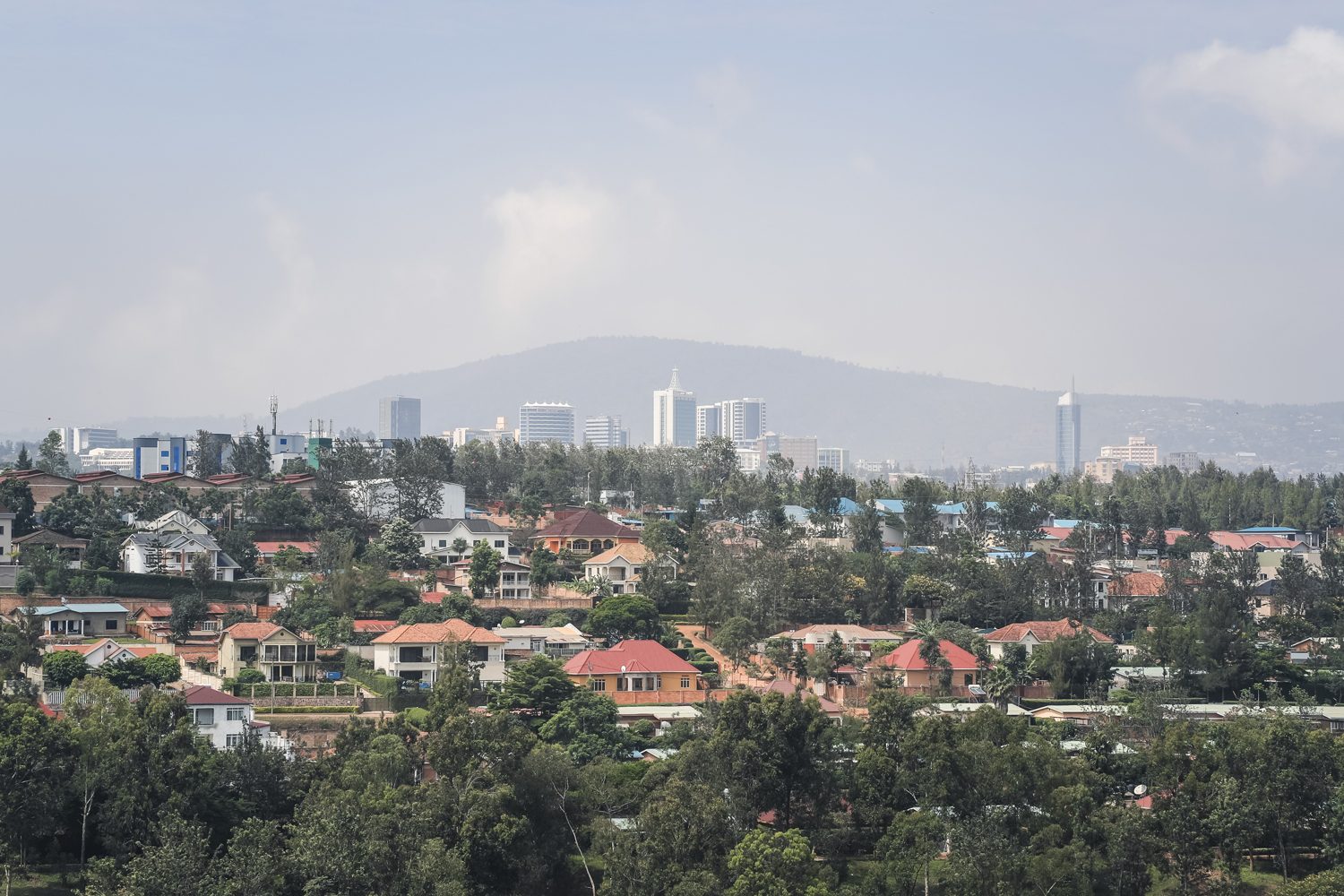
The great market of the capital is the craft market, a covered warren of stalls where all the crafts of the country are assembled: baskets wherever you turn, the colours of the kitenge, the wood carvings, the jewellery, the paintings and the drums. It is the finest single place to complete your treasury of Rwandan craft, and it doubles as a school; the official tourism board of Rwanda highlights the craft centres of the country for visitors planning a shopping day in its markets. The sellers are not pushy; the sellers are not pushy; they love to explain their objects, and an hour passed between the booths will teach you the geography of the country’s art.
In the towns of the districts the markets run to the schedule of the region, and no two markets in Rwanda keep the same rhythm: the market of the north on the midweek day, the Saturday market of the south, the great open stalls of the lake towns in the west. The district market is the raw one, where the craft is sold beside the vegetables and the families pass, and the language of the trade is Kinyarwanda first. Take a guide with you; the pleasure of the district market is the discovery rather than the bargain.
And at the cultural village of the north, the market is the continuation of the visit: the baskets, the cloth, the village-made jewellery and the honey, sold by the same families who performed the dance for you before. The gallery of the cultural village on the edge of the Volcanoes National Park is one of the sweetest shops in Rwanda, and the money goes directly into the fund of the village.
If you would like to bring a taste of Rwanda home from its markets, the two great gifts are the coffee and the honey. The Rwandan coffee, the single-origin grown on the high terraces and washed in the mountain streams, is sold roasted in the roasteries of Kigali and the marked cups, and a bag in your luggage is a memory that opens every morning. For the connoisseur the green beans are also sold, and the cooperatives in the hills will pack them for the journey.
And the honey. The honey of Rwanda is golden and intense, gathered from the hives placed in the trees of the highland forests, and its flavour is the taste of the flowering hills. The honey sold at the markets and the villages is raw and unfiltered, and a jar is the sweetest of all the memories.
Along the way the travellers also prize the carved stools, the drums of the villages and the printed kitenge of the local patterns, which the tailors of the town can turn into a shirt or a dress while you wait.
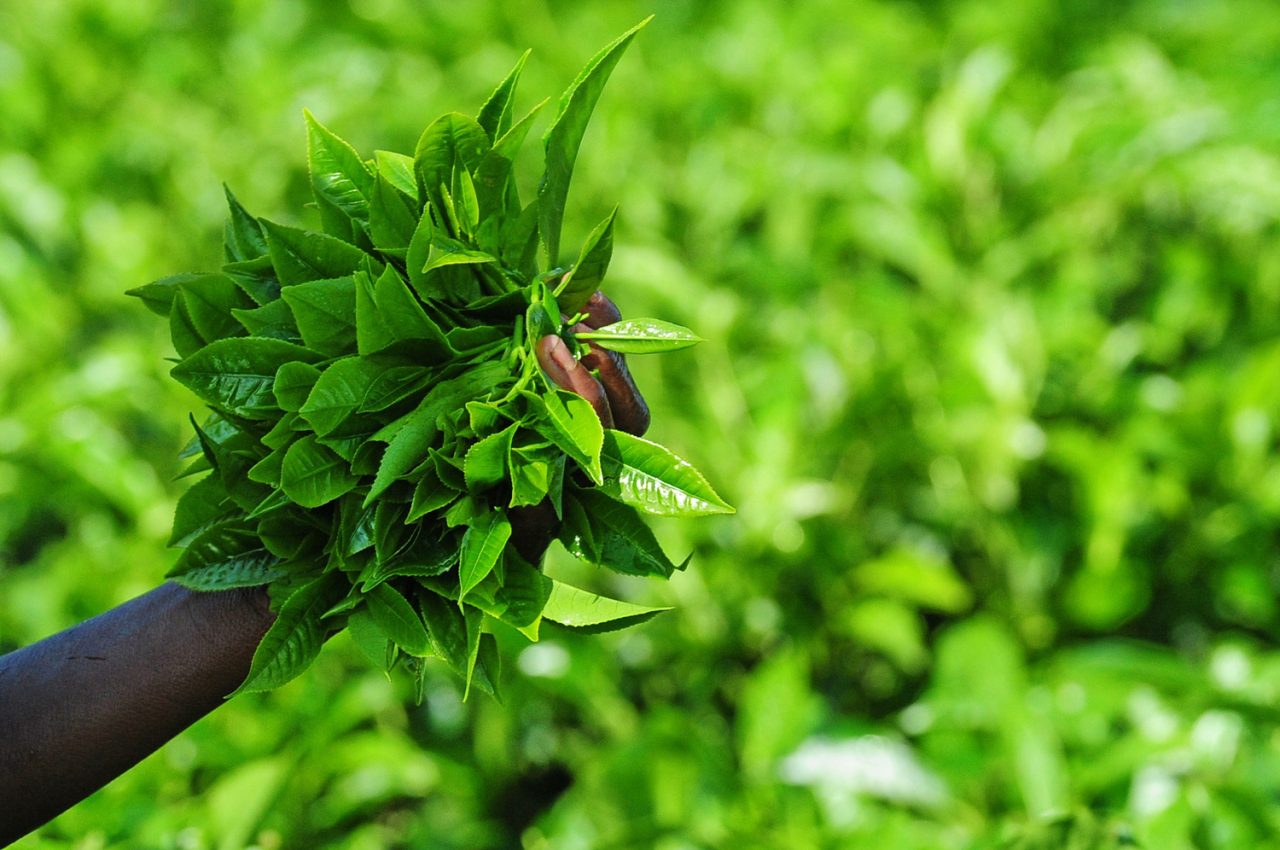
The woodcarving of Rwanda is a craft of the region. In the workshops of the towns and the small studios of the capital the sculptors work the mahogany and the hard woods into figures: the cow of the country with its long horns, the small head of the village elder, the polished egg and the walking stick of the chief. The carved cow is the most beloved of the souvenirs, because the cow is the soul of the Rwandan year and the cattle of the kingdom.
The art of stone is more austere but deep: the jewellery the women wear, the pendants of the volcanic rock, the beads of the hills. In the modern galleries of the capital the young painters work the volcanic sands and the canvas, and the contemporary art of Rwanda is among the most promising of East Africa.
A serious collector will know the annual crafts fair and the district stalls; but the small pieces of a journey, the bracelet, the carved cow, the printed cloth, form a whole panorama of the country’s craft and character, and every piece carries the name of the hill where it was born.
Fair dealing is what keeps the markets of Rwanda friendly for everyone, and the honest buyer knows the rules of the trade. The first is to deal fairly: the cooperative sets a fair price for the craft, and in the district market the small dance of the bargain is part of the tradition, carried with grace on both sides. Make the smile of the deal and take the time; nobody in a Rwandan stall is trying to rush a guest.
The second is to buy from the people who make it. The cooperatives label their craft and return the margins to the makers, and the visitor who chooses that label buys twice: the object and the family. Look for the cooperative name, ask about the weaver, and the answers are almost always a happy story.
The third is the packing. The baskets and the carvings travel well when they are rolled in the sisal and the cloth, and the market sellers are masters of it; ask for the packing and nothing of the shapes will be lost in the hold of the plane.
The produce of the women is the hidden treasure of the Rwandan market, and the honest purchase of a basket, a cloth or a pot is money that builds a classroom, adds a cow to a herd or raises the roof over a widow’s kitchen. It is the trade of the country’s dignity, and the visitor is the lucky guest in it.
The markets of Rwanda are the morning ritual of the country. The sun wakes the weavers and the traders, the first crowds move with the sacks, and by the time the coffee of the district is poured the stalls are at the full of the day. Visitors catch the craft in those hours at the best light, and the whole square lives with the energy of the hills.
In the craft villages the objects are presented not as stock but as a choreography: the weaver teaches, the dancer calls, the drum sets the rhythm, and the sale is the last and smallest scene. To buy in Rwanda is to buy inside the music.
For the itinerary this is a matter of planning: the market of the city, the village fair and the open square of the west each has its day, and the weeks of a six-day gorilla and Lake Kivu journey can be arranged to catch them all, from the drums of the north to the craft stalls of the lake towns.
The rules above are simply the good manners of the guest, and the whole of Rwanda understands, from the weaver to the trader, that a guest who shops honestly is a guest the whole community wishes to see return.
The smart traveller makes the markets of Rwanda part of the route rather than a last-minute errand. The woven baskets travel easily, the coffee keeps its freshness for months, and the cloth of the country is light in the bag, so the crafts can be gathered gradually, one market at a time, as the safari moves from the forests of the north to the lakes and valleys of the west and south.
It is also worth knowing that many of the finest pieces never reach the capital. The deep baskets of the south, the drums of the central hills and the printed cloth of the western workshops are best found in their own districts, where the craft is still lived rather than displayed. A route that includes the villages and the district markets, such as a four-day gorilla and culture itinerary, will gather a more honest collection than any single shop in the city.
And if the object of your heart is too large or too fragile, the sellers know the shippers and the postal services; a painting or a large basket can follow you home by air and arrive, carefully wrapped, some weeks after you do. The memory, however, travels with you from the moment of the purchase.
The cargo of the Rwandan market is never only the objects; it is the image of the hands. The basket on the shelf will hold the memory of the weavers of the hill; the drum on the mantel will beat for months; and the jar of honey will taste, every morning, of the mountain grasslands where you watched the sun come up between the hives.
They are the gifts of the country, and to buy them from the markets of Rwanda is to take home a promise that the hills will remember you; a piece of the markets of Rwanda is the truest souvenir of the trip. Give the craft a place of honour in your house, and give the market its introduction in your travel diary.
When planning the perfect blend of safari and culture, let our team include the market sessions, the cooperative visits and the dancing villages alongside your gorilla permits and lodges, so that the souvenir of your return is the whole country.