Gorilla Permits Rwanda — 6 Years of Trusted Service
Rwanda coffee culture begins with a smell that defines the morning. It rises from the hillsides long before the sun clears the ridgelines: the scent of wet soil, blossom and cherry, because in Rwanda coffee is not an industry in a distant province. It is part of the household, grown on the same small plots where beans and bananas share the soil. Nearly half a million smallholder families grow coffee in Rwanda, each one tending a few hundred trees on the terraced slopes of the hills, and the quality that comes from that scale has made the country a darling of the specialty coffee world.
Rwandan coffee did not always enjoy this reputation. For decades the country produced large volumes of commercial-grade beans that were shipped away and blended into anonymity. The transformation began when cooperatives, washing stations and the government worked together to improve quality, pay farmers fairly and sell directly to roasters who value terroir. Today the hills of Rwanda, from the volcanic soils of the north to the high plateaus of the south and west, produce some of the cleanest, most complex washed coffees in Africa, with notes of citrus, berry and floral sweetness that cupping tables around the world have learned to recognise.
For a traveller, following the coffee trail is one of the most rewarding ways to understand the country. A coffee tour is not a passive museum visit; it is a walk through a working hillside, a chat with a farmer, a visit to a washing station humming with the day’s cherry, and a cupping session that teaches your palate things no tasting menu could. And because the best coffee-growing districts sit close to the great safari destinations, from the volcanoes of the north to the rainforest of Nyungwe and the shores of Lake Kivu, the bean fits naturally into any gorilla and Lake Kivu itinerary.
This guide looks at how Rwandan coffee is grown, washed and roasted, where the finest cups come from, and how you can taste it all for yourself on a visit that combines hills, forest and good coffee.
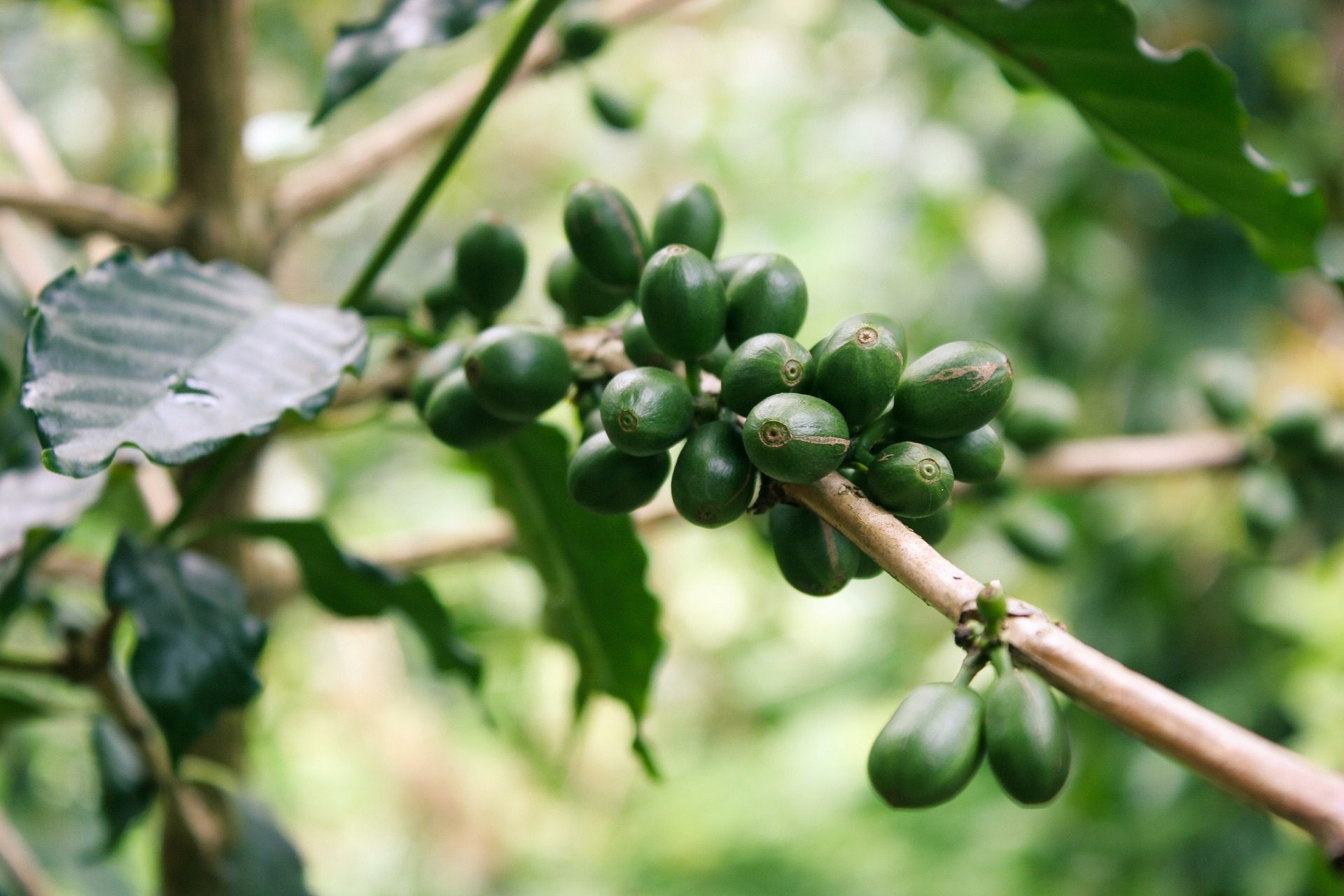
Geography has been kind to Rwanda coffee culture, giving it a head start no other region can copy. The country sits on a high plateau, most of it above 1,400 metres, with volcanic ranges rising to more than 4,500 metres. Coffee thrives on these slopes: the altitude slows the cherry’s ripening, which concentrates sugar and acidity, while the cool nights and the mineral-rich volcanic soils add complexity to the cup. Arabica, the specialty species, dominates, and almost all of it is grown by smallholders rather than on vast plantations.
The average Rwandan coffee farm is tiny by world standards, often less than a hectare, interplanted with bananas, beans and maize. This is not a weakness; it is the heart of the story. Because the farmer’s own family tends the trees, the cherry is harvested by hand at exactly the right moment, and the care shows in the cup. Cooperatives collect the day’s harvest and deliver it to washing stations, where the wet processing that gives Rwandan coffee its signature cleanliness takes place.
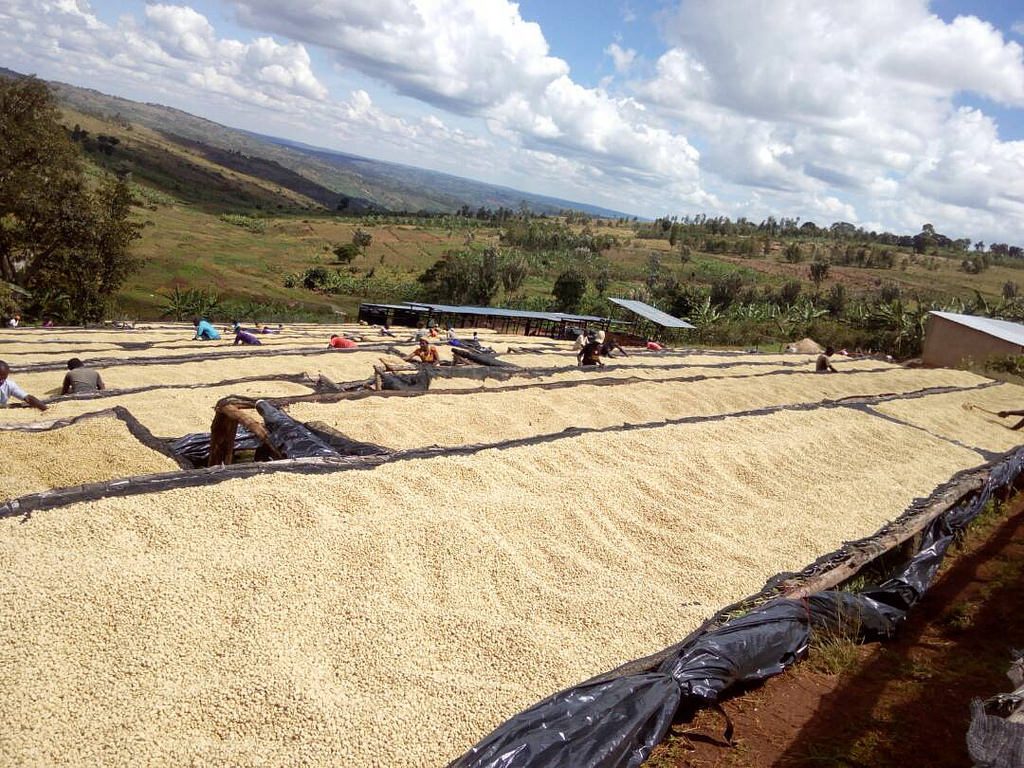
The washing station is the beating heart of the system. Cherry is floated to remove defects, depulped, fermented for around twelve hours, washed in channels of clean mountain water and then laid out on raised beds to dry in the sun. It is a delicate, labour-intensive process, and the stations that do it best are run by people who know exactly when to pull the coffee off the fermentation tank. This is why Rwandan coffee tastes so bright and sweet; the process rewards patience.
What you will notice on any tour is how social the whole system is. The station is full of women and men, of songs and sacks, of children sent to fetch water. Coffee in Rwanda is not a lonely business; it is one of the most connected industries on the hills, tying families, villages and districts into a single daily rhythm.
Every coffee-growing region in Rwanda has its own character, and a coffee tour can be tailored to the route you are already taking. In the north, around the Virunga volcanoes and the town of Musanze, the volcanic soils produce bright, citrusy cups with a gentle body, and each district adds its own chapter to Rwanda coffee culture. The same hills that feed the gorillas’ forest feed the coffee trees, and a 3-day gorilla and culture safari can easily add a morning at a washing station to its itinerary.
In the west, along the hills above Lake Kivu, some of Rwanda’s most famous washing stations operate among steep terraced slopes and dramatic lake views. The coffee here is prized for its balance and sweetness, and the stations welcome visitors for the full journey from cherry to green bean. Further south, around the Nyungwe rainforest and the old royal country of Nyanza, the higher farms produce floral, tea-like cups that remind many tasters of the best East African coffees.
For the traveller the practical side matters: most washing stations open their doors to visitors during the harvest months, roughly from March to July in the main season, with a smaller second harvest late in the year. Off-season visits still allow you to walk the farms, meet the families and cup the previous year’s crop. Any of our team can arrange a guided station visit as part of a four-day itinerary that combines wildlife with the culture of the hills.
Watching Rwanda coffee culture being made is a revelation. The day starts at dawn, when farmers arrive at the station with sacks of cherry on their heads or on bicycles, having picked the reddest fruit from their trees. Each sack is weighed and recorded, and at the end of the week the farmer is paid a fair price, often with a bonus if the cherry is exceptional.
The wet processing begins immediately, because quality in coffee is a race against time. The cherry is tipped into a floatation tank where unripe or damaged fruit sinks or floats away, then it passes through a depulper that squeezes the skin off the bean while the sticky mucilage remains. That mucilage is where the fermentation magic happens. For about twelve hours the beans rest in tanks, and natural yeasts break down the sugars, creating the flavours that will later appear in the cup.
After fermentation the beans are washed in channels and soaked in clean water, then moved to raised drying beds. On these beds the coffee spends one to three weeks in the sun, turned every hour or two by workers who rake the parchment like a garden. It is slow, skilled work, and the drying is the moment when a great station proves itself. Too fast and the coffee tastes grassy; too slow and it may ferment again and taste sour.
Once dry, the parchment coffee is milled to reveal the green bean, sorted by machine and by hand, and finally exported. At each step the traceability is remarkable: a bag of Rwandan coffee can usually be traced back to the exact washing station and often to the cooperative that grew it. That transparency is one reason the country’s coffee fetches premium prices on the world market.
Ask any roaster why they love Rwandan coffee and the same words come back: clarity, sweetness and a floral brightness – the signature of Rwanda coffee culture. The reason is the marriage of altitude, soil and careful washing. The highlands slow the cherry’s development so that the bean builds more complex sugars, and the wet process keeps the cup extremely clean, allowing those sugars to shine through without earthy or funky flavours.
The volcanic soils of the north add a crisp, almost citrus acidity. The higher farms of the south produce more delicate, tea-like cups. Between the two lie thousands of microclimates, each with its own expression of the land. Coffee people call this terroir, and Rwanda, with its thousand hills and its extreme altitudes, has it in abundance.
Rwanda also grows a small but fascinating amount of other varieties, and some farms experiment with natural or honey processing, where the cherry is dried whole or with part of the mucilage left on. These experimental lots are rare and prized. If you cup one beside a classic washed Rwandan, you will taste how much the process shapes the flavour.
The other secret is the people. At every step, from the farmer who picks only ripe cherry to the woman who sorts the parchment at the station, the coffee is handled by someone who is paid fairly and who is proud of the product. That pride is measurable in the cup, and it is why Rwandan coffee has won so many competitions and why so many of the world’s best roasters list a Rwandan lot in their line-up.
No tour of Rwandan agriculture is complete without mentioning tea, though Rwanda coffee culture remains the traveller’s favourite. The country grows fine black tea on large estates, especially around the Nyungwe rainforest and in the highlands of the west, and the rolling green fields of the tea estates are among the most photographed landscapes in Rwanda. Where coffee is the farmer’s crop, tea is more often the estate crop, but both share the same hills and the same mist.
Visitors can tour a tea estate near Nyungwe, walk among the pluckers, and taste the finished leaf in the estate factory. It makes a perfect pairing with a coffee tour: after the smallholder intimacy of the coffee station, the tea estate offers a grander, more industrial view of the highlands’ agriculture. Together they explain why the hills of Rwanda smell the way they do at dawn.
For those planning a trip that includes Nyungwe’s rainforest canopy walk, a morning on a tea estate or at a coffee station rounds out the day beautifully, and the two experiences sit naturally together in a best of Rwanda eight-day safari.
In Rwanda the rituals of daily life are built around what the land gives, and coffee culture sits at the centre of them. The banana is the everyday fruit, the staple of the table and the source of the famous banana beer that is drunk from shared gourds at ceremonies. Coffee, by contrast, is the cash crop, the one that pays for school fees, iron sheets and medicine. Every farming family knows exactly what a good coffee year means.
This is why a coffee tour matters beyond the tasting. When you visit a washing station, you are not watching a show; you are standing in the middle of the local economy. The station employs seasonal workers, the cooperative invests in schools and roads, and the farmer at the gate is the one whose children the whole system sends to school. Buying a bag of beans at the end of the tour is not a souvenir; it is a vote for that system.
The Rwandan relationship with the bean is also changing with the young. Cafes in Kigali now roast local lots, pour flat whites with single-origin Rwandan espresso, and host cuppings that fill with twenty-somethings. The same generation that grew up helping pick cherry is now building a coffee culture in the city, and the two worlds, hill and capital, are converging over the same cup.
A Rwanda coffee culture tour works best when it follows the land, and the national tourism portal of Rwanda’s official tourism board lists washing stations that welcome visitors. Start in Kigali with a cupping or a roastery visit, then head north to the volcanic hills of Musanze, where a morning at a washing station can precede an afternoon with the gorillas or an evening at a cultural village. From there the route curves west to the Lake Kivu highlands for some of the country’s most beautiful station visits, with the lake glittering below the drying beds.
The south offers a different flavour of the same story, with high farms and old royal heritage around Nyanza, and the tea country of Nyungwe as the grand finale. A well-planned week can include gorillas, coffee, tea, lakes and forest, and a two-day Rwanda gorilla trek can be extended with a single day of hills, stations and cuppings for travellers with a tight schedule.
Practical notes: wear good walking shoes, expect to walk short distances between the trees, and bring cash if you want to buy green beans at the station, which many travellers enjoy. The harvest season, roughly March to July, is the most photogenic time, but the hills are beautiful all year, and the welcome at the stations is warm whatever the calendar says.
There is a reason travellers talk about Rwandan coffee long after they have returned home: that memory is the essence of Rwanda coffee culture, something you can brew again at home. It is not only the quality of the bean, though that is real. It is the memory of the whole chain: the farmer who picked the cherry, the woman who turned the drying beds, the cupping table where the brew revealed notes you had never noticed in coffee before. The cup contains all of that.
When you book a Rwandan holiday that includes the hills, ask our team to add a coffee morning to your itinerary. We work with cooperatives and washing stations across the country and can arrange visits that match your route, your pace and your interest. Whether you are a dedicated coffee professional or simply someone who enjoys a good cup at dawn, Rwanda has a story for you, and it is served hot.
Plan your safari, your permits and your coffee trail today by contacting our team, and let the hills of Rwanda pour their best into your cup.