Gorilla Permits Rwanda — 6 Years of Trusted Service
Every journey to Rwanda passes, at some point, through a question that the country does not hide. The Kigali Genocide Memorial stands on Gisozi hill in the capital, a quiet garden of remembrance where more than a quarter of a million people who died in the 1994 genocide against the Tutsi are remembered. It is not an easy place to visit, and it is not meant to be. But it is one of the most important experiences a traveller can have in Rwanda, because it explains the country you are travelling through: its grief, its rebuilding and its extraordinary commitment to unity.
The memorial opened in 2004, ten years after the genocide, and it opened with support from Aegis Trust, a British organisation dedicated to the prevention of genocide. It sits above the resting places of many of the capital’s victims, and its gardens are themselves a grave site. The exhibitions inside take the visitor through the history of the country before 1994, the events of the genocide, and the aftermath: the survivors, the trials, the reconciliation and the hope. It is a museum, a cemetery, a school and a place of pilgrimage all at once.
For a visitor, the memorial is the opposite of a tourist attraction in the ordinary sense. There are no souvenirs of the tragedy inside the exhibition halls. The exhibition areas do not permit photography, phones stay silenced, and the first room sets the tone. It is a visit that asks something of you: attention, respect and the willingness to hold grief for a while. Most people leave changed, and most people say that they are glad they came.
This guide explains what the Kigali Genocide Memorial contains, how to prepare for the visit, the etiquette that is expected, and why the experience belongs in every Rwandan itinerary, including those built around gorilla trekking and the landscapes of the Volcanoes National Park.
The memorial’s permanent exhibition tells a long story that begins long before 1994. Its first rooms introduce the pre-colonial kingdom of Rwanda, its culture and its social structures, and explain how colonial rule introduced ethnic identity cards and institutionalised division. The history is told plainly and without sentimentality, because the memorial’s mission is education, not propaganda.
The central galleries then walk through the genocide itself: the killings that began in April 1994 and continued for one hundred days, the speed and scale of the violence, the role of the media in inciting hatred, and the international response that did not come in time. The exhibition uses photographs, film, personal testimonies and objects collected from the graves, and the effect is devastating and necessary. Visitors move through the rooms slowly, and the silence between groups is heavy.
The final sections deal with the aftermath. They tell the story of the survivors and the orphans, of the mass graves that continued to be discovered for years, and of the courts, both national and international, that worked to bring justice. They also describe the path of reconciliation that Rwanda has taken since, including the community courts known as Gacaca, through which hundreds of thousands of cases were heard across the country.
There is also a wing dedicated to other genocides around the world, because the memorial’s founders believe that the lessons of Rwanda belong to humanity, not to one country. The result is a museum that speaks in two directions at once: to the past of Rwanda and to the conscience of the world.
Outside the exhibition building, the memorial’s gardens are as important as its halls. Simple headstones mark the mass grave sites, and researchers estimate that more than a quarter of a million victims lie on the hill, the largest single place of burial from the genocide. On the anniversary of the genocide each April, survivors gather here to light remembrance fires, and the memorial remains the spiritual centre of the country’s mourning.
Walking the gardens is a quieter experience than the exhibition, and many visitors find it the most moving part. There is a wall of names, with the names of victims engraved as they become known to the memorial’s research team, and it is still growing; the memorial actively works to document names so that the dead are not anonymous. There is also a memorial for children, a particularly heart-breaking gallery of portraits and last words.
The gardens hold roses and flame trees, and they are kept immaculate by gardeners whose work is itself a form of care. The beauty of the grounds against the weight of what they hold is one of the memorial’s most powerful statements: Rwanda has chosen to make this place a garden, not a ruin.
Before you enter, it is worth knowing that the memorial is a place of education, not entertainment. The exhibitions are dense, the testimonies are difficult, and most visitors spend between two and three hours inside. Guides lead groups through the history, and it is possible to join a guided tour in several languages; the guides are trained survivors’ companions and educators, and they handle the weight of the material with care and dignity.
It is wise to visit early in your time in Rwanda rather than at the end, because the memorial gives context to everything else you will see: the roads, the hills, the churches and the villages all carry the history. Many travellers who come for the gorillas begin in Kigali, and the memorial makes the first day of a two-day Rwanda gorilla trek or a longer journey far more meaningful.
Allow quiet time afterwards. The memorial’s caf and gardens offer a place to sit, and the staff expect that visitors will need a moment. It is not unusual to see travellers sitting alone in the gardens after the tour, and that is part of the design: the memorial wants its visitors to leave slowly, carrying the experience rather than rushing past it.
The memorial has clear rules that every visitor should follow. Photography is forbidden in the exhibition halls, phones are silenced at the entrance, and large bags must be left in the lockers. Dress respectfully and match the tone of the place: keep voices low and leave laughter at the gate. These are not arbitrary rules; they protect the dignity of the site and of the families who come to remember.
It is also worth knowing that some visitors find parts of the exhibition too intense, particularly the children’s memorial and the testimonies. There is no shame in stepping outside for air, and the staff are understanding. The memorial is a place where it is acceptable, and even expected, to be moved to tears.
Entry to the memorial itself is free, though the team welcomes donations and offers guided tours for a small fee that supports the memorial’s education work – official visitor information is on Rwanda’s official tourism board siten programmes. These programmes reach thousands of Rwandan schoolchildren every year, teaching a generation that did not live through 1994 what their country went through and why unity matters. Your visit directly supports that work.
The Kigali Genocide Memorial is the most complete, but it is far from the only site. Across Rwanda, churches and other sites where killings took place now serve as memorials, and several welcome visitors. The most visited include the church of Nyamata, the technical school of Murambi and the church of Ntarama, each with its own exhibition and its own heavy silence. These sites are harder to reach than the Kigali memorial and require longer journeys, usually through the southern districts of the country.
For travellers with time, visiting one of these sites after the Kigali Genocide Memorial deepens the understanding, but the Kigali Genocide Memorial alone is enough for most visitors. The decision is personal, and the memorial’s own guides can advise on which sites are appropriate and how to reach them.
April is the most significant month for remembrance in Rwanda, when the country observes the anniversary of the genocide. Visitors during April will see remembrance ceremonies, flame-lightings and solemn processions, and the memorial becomes the centre of the national observance. It is a powerful time to be in the country, though it is also the heaviest time to visit these places.
Some travellers hesitate, wondering whether a gorilla safari should include a site of such grief. The answer, most travellers discover, is yes, and the reason is the country itself. Rwanda is a place that has chosen to remember publicly and to rebuild openly, and no visit to its mountains, lakes and forests is complete without understanding that choice. The gorillas of the Virungas survived in the same hills where people were killed; the country’s parks and its peace are part of the same story of recovery.
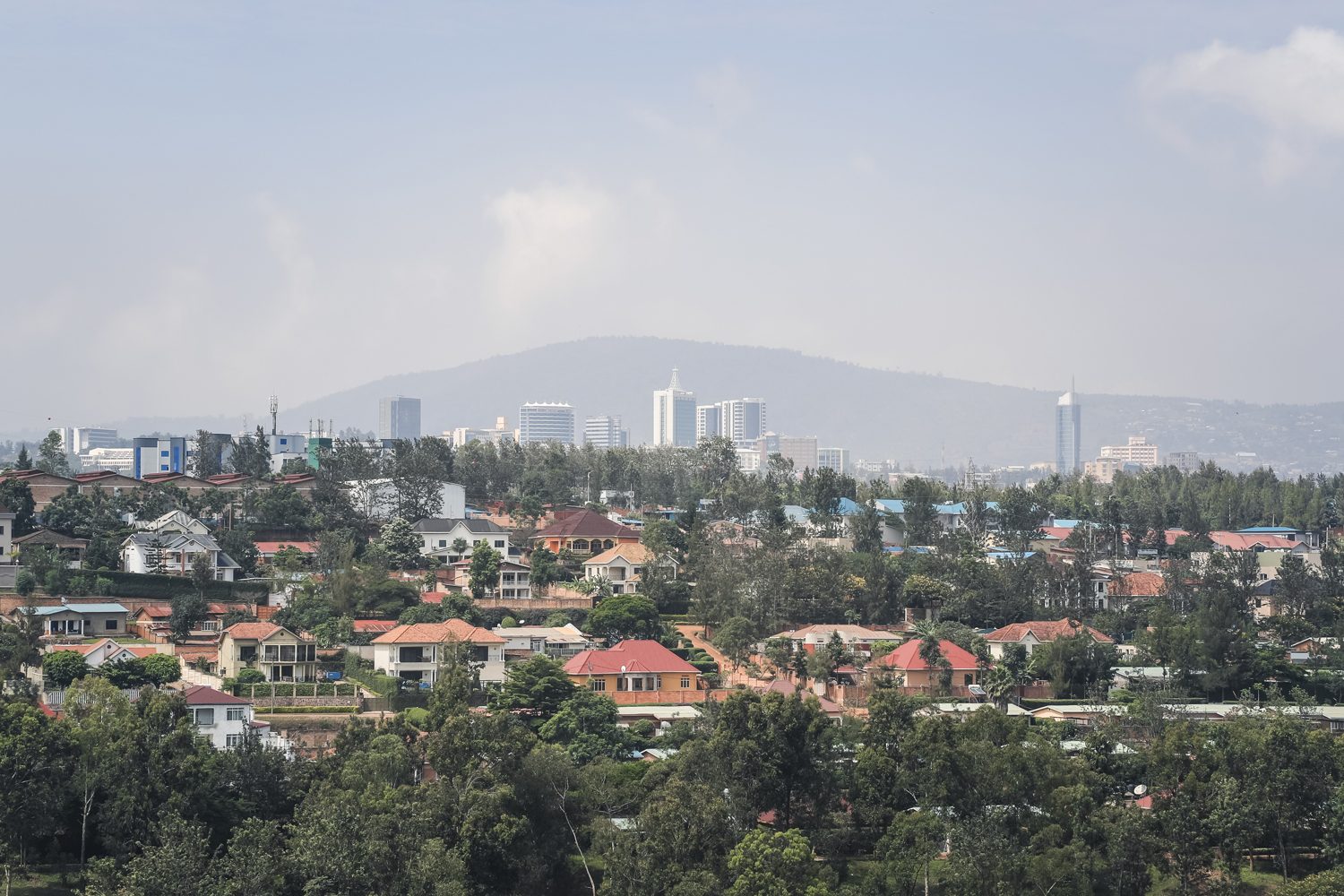
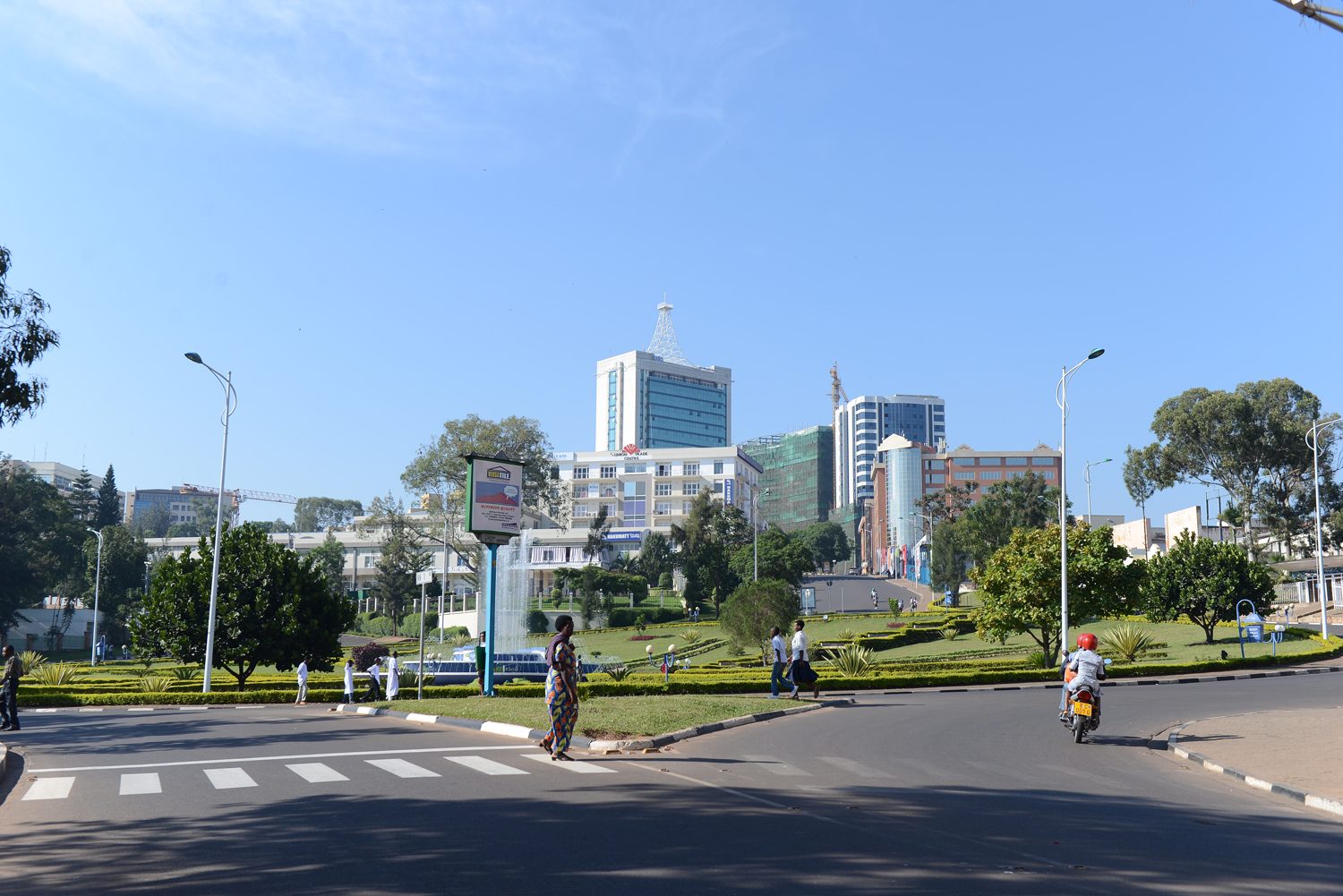
The memorial also explains the Rwanda you will meet: the cleanliness of Kigali, the discipline of the roads, the community work of Umuganda and the national commitment to unity. These are not decorations on the country; they are the deliberate answers of a nation that decided, after 1994, to become something else. When you walk through the memorial and then walk through the city, the connection is unmistakable.
For that reason, we include time for the memorial in our longer itineraries, alongside the forests and the lakes. A journey that takes in the best of Rwanda in eight days naturally passes through the capital at its start or its end, and the memorial fits into either moment. The quiet of Gisozi hill and the silence of the gorilla forest are not as far apart as they seem; both are places where Rwanda meets its history with dignity.
Most hotels in Kigali can arrange transport to the memorial, and our team is happy to include the visit in any itinerary, whether it is a short stop in the capital or the beginning of a longer journey. We recommend morning visits, when the light is soft and the gardens are quiet.
No review can fully prepare you for the Kigali Genocide Memorial, and that is as it should be. It is a place that resists summary because it asks you to do something rare in travel: to be present with grief that is not your own, in a country that has chosen to carry it publicly and to turn it into a lesson for the world.
What most visitors carry away is not only sorrow but also a deep respect for the people who survived, who returned to these hills, who buried their dead with ceremony and who rebuilt a nation with an almost impossible clarity of purpose. The memorial is the place where that respect begins, and everything else you see in Rwanda, from the thousand hills to the gorilla families, is illuminated by it.
When you are ready to plan a visit that honours the country in full, contact our team and let us arrange your permits through the Rwanda Development Board, your accommodations and your time at the memorial, so that your Rwandan journey holds space for both the beauty of the land and the truth of its history.
The memorial receives many families, including visitors travelling with teenagers, and the team has developed specific guidance for young visitors. The children’s memorial and the testimonies are the most sensitive areas, and the guides will advise families on how to approach them. Many parents find that their children ask questions that deserve honest, simple answers, and the memorial’s educators are experienced in giving them.
For older children, the visit can be a profound part of understanding the country they are travelling through, and Rwandan schools themselves visit the memorial regularly as part of the national curriculum. The memorial’s founders believed from the beginning that education was the primary defence against the repetition of such crimes, and the education centre attached to the site runs programmes for students from Rwanda and from around the world.
Visitors who wish to extend the learning can attend the memorial’s documentary screenings or visit its research centre, which holds archives of testimonies, photographs and documents. The centre is open to researchers and to the public, and its library is one of the most complete collections of its kind in the region.
If you are travelling with young people, we recommend the morning visit, when the gardens are at their quietest, followed by a gentle afternoon in the city. The memorial is a place where families often find their own pace, and the staff are patient with every question, however difficult.