Gorilla Permits Rwanda — 6 Years of Trusted Service
On the last Saturday of every month, Umuganda in Rwanda turns every road and hillside into a community workspace: the roads empty, the shops close, and the whole country comes out to work. The shops close, the moto drivers park their bikes, and across the country, from the capital to the smallest village, people come out with hoes, brooms, machetes and gloves. They are taking part in Umuganda, the national day of community work, one of the most distinctive social institutions of modern Africa. For a traveller, coming across an Umuganda morning is a rare sight: a whole country working shoulder to shoulder, and doing so with a matter-of-fact dignity that is hard to forget.
Umuganda is an old word. In Kinyarwanda it refers to a task carried out by the community for the community, and the tradition predates the modern state by many generations. Neighbours would come together to build a home, clear a field or mend a path, and the work was followed by sharing food and conversation. The institution fell into disuse during the difficult decades of the twentieth century, and it was revived in the 2000s as a deliberate instrument of national rebuilding. Today it is written into the rhythm of public life: on the last Saturday of each month, participation is expected, and the results are visible across the whole country.
What does an Umuganda day look like in practice? The work begins early, often around eight in the morning, and lasts until about eleven. Communities choose their own tasks: clearing road verges of bush, repairing footpaths, cleaning public buildings, planting trees, building homes for the vulnerable, or restoring the terraces that hold the country’s steep fields. The work is followed by a community meeting, where leaders report on progress and residents discuss the needs of their cell or village. In many areas the meeting ends with the sharing of news, plans for the months ahead and, on good days, a chorus of song.
For the visitor, Umuganda is both a practical and a philosophical introduction to Rwanda. It explains the immaculate roadsides, the order of the towns and the sense of shared purpose felt everywhere. It is also, on occasion, wonderfully joinable: visitors are welcomed at many community workdays, and there are few better ways to earn a lasting Rwanda memory than by planting a tree with Rwandans on their own hillside.
For the traveller who wants to understand the country, Umuganda in Rwanda is the fastest lesson available: one Saturday morning shows how the community works, how the hills stay clean and how the country governs itself. The Umuganda community day is also the reason Rwanda is often called the cleanest country in Africa. This guide explains the tradition, what happens on the day, and whether you can join in as a visitor.
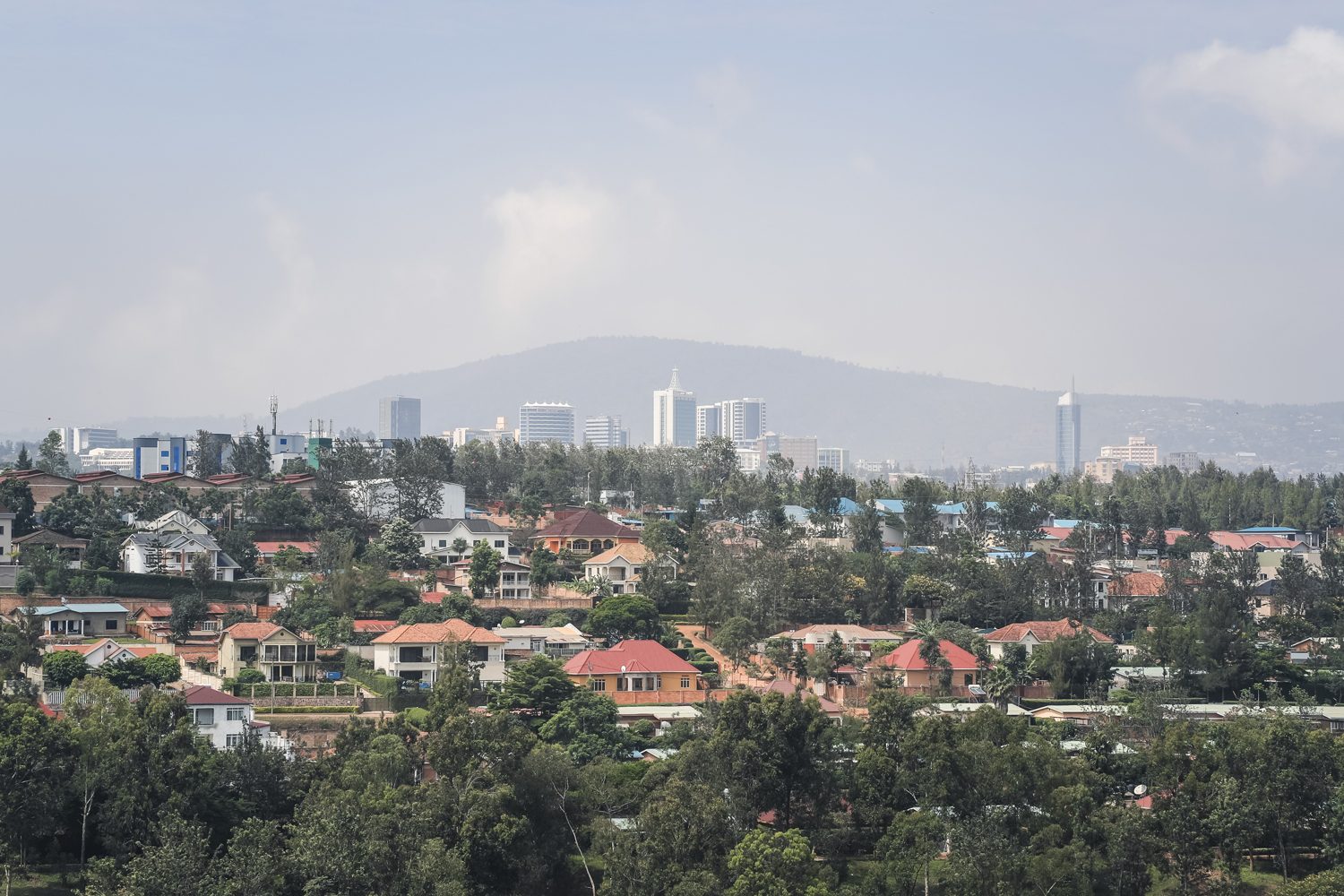
Long before there were roads to clear, the hills of Rwanda were farmed by communities that understood that survival was a collective act, and the roots of the Umuganda community day go back to those oldest habits of the Rwandan hills. The homestead was raised by neighbours; the harvest was gathered by relatives; the cow that died was replaced by the clan. Within this web of mutual support, the work of the community took the name umuganda, and the word carried a sense of obligation softened by kinship.
In the old order, the most visible form of umuganda was the communal construction of houses. When a young couple married and needed a home, the village gathered on a chosen day, and by the evening the walls would be raised and the roof thatched. The day was marked by music and food, and the new household began its life surrounded by the goodwill of the whole hillside. That picture of shared house-raising lives on as the symbol of the tradition in every modern Umuganda community day.
The colonial era and the upheavals of the twentieth century weakened the practice, much as they weakened so many of the country’s institutions. The revival of umuganda in the new century was therefore a deliberate act of memory: the country chose to bring back its oldest habit of cooperation and to place it inside the modern state, and in doing so it restored a community tradition across the whole of Rwanda. The result is a law that gives structure to the tradition, but the spirit is the same one that raised the first houses on the hills.
Today, Umuganda in Rwanda follows the same rhythm from north to south, and on the last Saturday of the month the routine is identical everywhere. Work starts early and the authorities are clear about the schedule: the morning belongs to the community. In Kigali the streets of each neighbourhood are assigned to their residents, and the crews spread along the roads to cut grass, dig drains and collect the trimmings of the week. In the countryside the tasks are broader: farmers break land for those who cannot work it, the young people clean the school, and the repair teams lift fallen bridges.
The work is not labour without regard. Many keep a community fund that grows from joint projects, and the resources are spent on whatever the residents decide at their own meetings. But the heart of the day is not the money; it is the presence. The gathering when the tools are put down, when the village sits together to speak about what was done and what remains, is the heart of the Umuganda community day.
Attending is expected of every able adult, and the system works because it is mutual: Umuganda in Rwanda is a community system, and the mutual expectation is what makes it work. The official in the capital clears the same stretch of verge as the farmer in the district, and the sight of leaders beside the people is part of the country’s social contract. Visitors who stay through an Umuganda Saturday see the transformation: by noon the verges are tidy, the bridges are mended and the republic looks genuinely nourished by its own hands.
The public record of Umuganda in Rwanda is easy to read in the landscape itself, and the cleanest streets in Africa are the proof. The public record of Umuganda is not hard to read. Rwanda is regularly called the cleanest country in Africa, and that is not the work of a great municipal army; it is the work of millions of ordinary people, month after month, without pay. The terraces that hold the hillsides, the roads that reach the last villages, the schoolrooms and health posts raised by their own communities: these carry the marks of the Saturday gatherings.
The institution has also been a force for reconciliation, and Umuganda in Rwanda is the community habit that has become a quiet binder of people. In a country that has known deep division, the habit of working side by side in the same valley, under the same sky, has been a quiet binder of people. The community meetings that close the day are places where small disputes find their answers and where the village accepts responsibility for its own members.
Observers from abroad have examined umuganda as a model of community-driven development, and several countries have borrowed the idea, while the Rwanda Development Board highlights the community projects that visitors can support. In Rwanda itself the day is part of the national identity: it is taught in schools, marked on the official calendar and it appears constantly in daily life. To understand modern Rwanda one must understand that this monthly gathering is not a slogan; it is how the country is actually run, one Saturday at a time.
Yes, and many do, because visitors can join an Umuganda community day across the country. Across the country visitors are welcomed to the work days, and the welcome is genuine. The simplest way is to be in the right place on the right Saturday morning: ask at your lodge, or plan it with us, and a community will almost always find a place for you. You will be given a tool, shown the task and introduced to the people of the hill, and by the time the meeting is over you will have made friends.
Good practice for an Umuganda community day is simple. Wear old, comfortable clothes, bring water and gloves, and mind the rhythm of the group. Treat the morning as work rather than a photo opportunity, and the cell will treat you as one of us. Most travellers who take part describe the hour as among the most honest of their trip, a memory no snapshot can hold.
If your visit falls during a gorilla holiday, the schedules fit naturally: the community morning is finished by midday, freeing the afternoon for the forests of the Volcanoes National Park or a drive towards the lakes of western Rwanda. For a longer journey, such as a six-day gorilla and Lake Kivu itinerary, we can place your dates so that the Umuganda morning becomes part of your story.
Every traveller notices the same things: the clean roads, the quiet traffic, the terraced hills, the absence of litter. Umuganda in Rwanda is the engine behind them, and the country has chosen to make its environment a collective responsibility, and the result is a landscape that reads, everywhere, as cared for by its own citizens.
The tradition explains the country’s approach to development too. Roads, clinics, schools and bridges are built, then maintained, by their own communities, and the sense of ownership of shared places is measured in the village. The meeting that closes the morning is a small democracy in action, and its reliability, month after month, is one of the quiet strengths of the state.
For those who cross Rwanda for the gorilla permits and the mountain forests, the discovery of this civic culture is often the surprise of the journey, and Rwanda’s official tourism board lists it among the country’s cultural experiences. The gorillas are the headline, but the hillside where a whole village plants trees together on a Saturday morning is the country itself, complete and unposed.
Backpacks of advice: do not photograph anyone without being welcome, and remember the real gift is your own two hands. If your dates allow, schedule an Umuganda community day into your itinerary before you book. Rwanda has a wonderful habit of turning a visitor into a neighbour within a single hour; the only way to learn it is to accept the hoe.

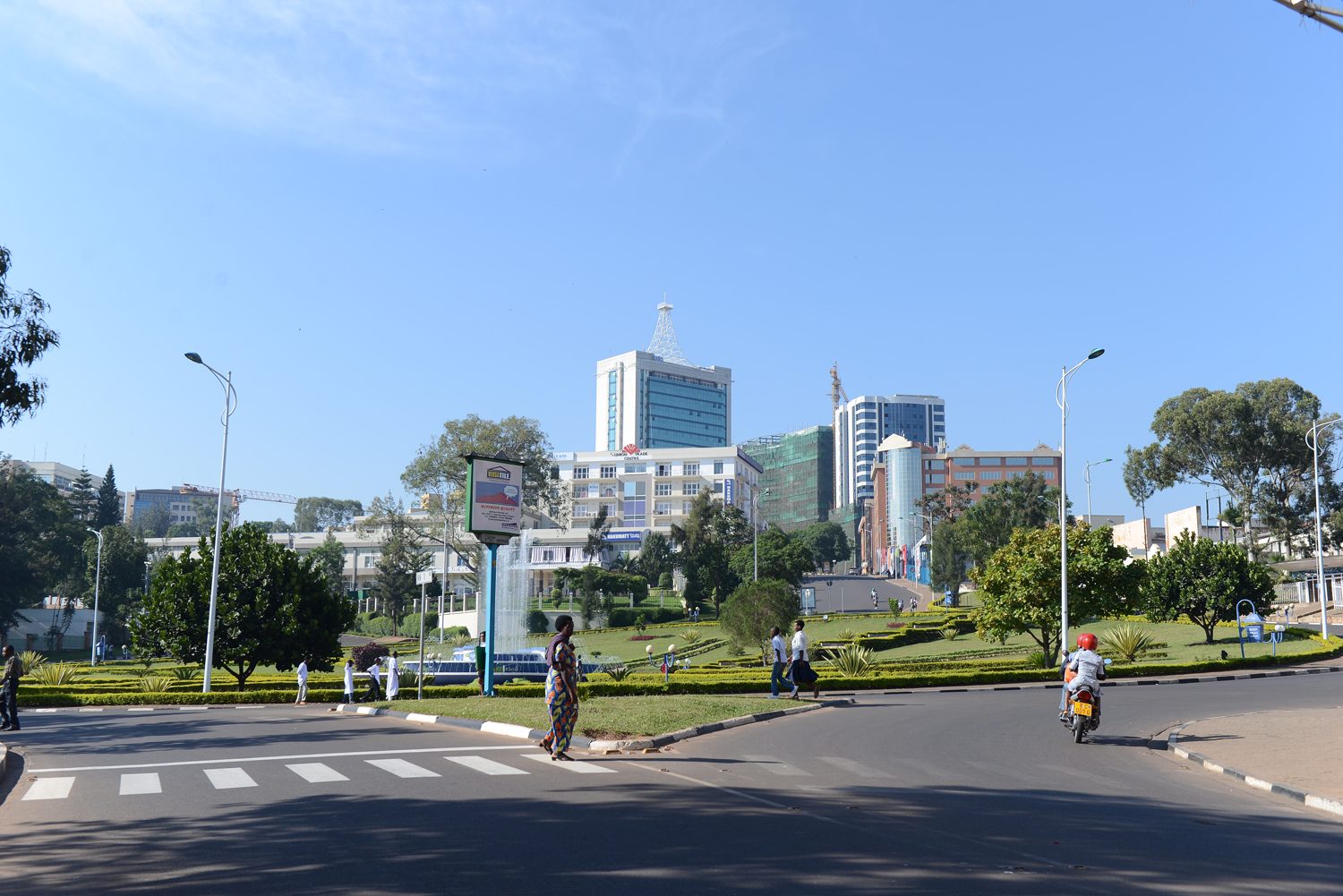
Even before you understand Umuganda, you can feel its rhythm in the country, because the heartbeat of the Umuganda community day is the same need that raised the first homes on the hills. The hills of Rwanda are crowded and proud, and no family could build, roof or harvest alone. That need is the source of the habit: to gather, to turn private strength into shared work, to turn the good of a few into the good of all. Umuganda is that old need with a modern calendar.
Watch the weekend gathering in any village and you will see something worth remembering: the way a community works as one along a road, the way the old find their tasks and the children their small part, the way the work moves forward without any single voice giving orders. The discipline is not forced from above; it is carried by each participant. The country that emerges from these Saturday mornings is one that feels cared for, and that feeling is what visitors take home.
For the person who loves culture, joining the morning offers an insight that no staged ceremony can: a direct sight of how Rwandans behave when nothing is ‘on stage’. The banter between the sacks, the respect given to the elders, the way a stranger is simply folded into the work with the words ‘you are welcome’: all that is Rwanda without its performers.
And if your safari runs through the mountains at the end of the month, there is a small, happy detail: the same guides and trackers who clear the district verges in the morning are often the very guides and porters who will lead you to the gorillas in the afternoon. Their hands, their pride, the same blessed mountains, all in the same day.
Travel itself, of course, should follow its own rhythm and not only the calendar of the work. Where Umuganda adds to a plan is when you design your route deliberately: if possible, end your week in Rwanda on a Saturday so that the final morning is a field day rather than a lazy one. Days spent most intensely on the road find their best close in the company of the hill.
Combining the work morning with a longer circle of the country is simple, and an Umuganda community morning in Rwanda fits naturally at the end of any itinerary. A first week that takes you from the capital to the volcano forest north to the lakes, and then a Saturday village gathering, is a way to complete the journey with the very values that Rwanda offers every visitor: togetherness, memory and the deep trust in the land.
The practical work is a matter of a single sentence to your guide, and that sentence is all it takes to join an Umuganda community day: ‘I would like to spend the Umuganda morning with the village.’ That sentence will open a world of good coffee shared after the work, of pleasant difficulty you will wear home with pride, of a photograph with the whole street that the light will not repeat. When you are ready to put it together, our team will place every Saturday you choose into your itinerary, and the thousand hills will welcome your hands.