Gorilla Permits Rwanda — 6 Years of Trusted Service
Every year, Kwita Izina brings drummers, dancers and visitors to the misty hills at the foot of the Virunga volcanoes. The town of Kinigi, normally a quiet staging point beneath the green flanks of the mountains, fills with dignitaries from every continent. They gather for Kwita Izina, the ceremony in which newborn mountain gorillas receive their names in the traditional Rwandan manner. It is a celebration that blends deep culture with serious conservation. It has become one of the most meaningful events on the African safari calendar.
Few things in Rwanda are more cherished than the act of naming. For generations, Rwandan parents have called together family, neighbours and elders when a child arrives in the world, offering blessings over the chosen name. Extending that same honour to gorillas was a stroke of national genius. When officials announced the first public Kwita Izina, they wanted the world to pay attention, and it did. Since then the event has grown larger every year, broadcast well beyond the park boundaries. It has become a dream for every visitor who hopes to secure a gorilla permit and see these extraordinary animals in the wild.
The tradition of naming gorillas was actually started informally by the scientists who first studied mountain gorillas. Early researchers at the Karisoke research station, following the path blazed by Dian Fossey, gave each individual gorilla a name so they could be identified and tracked. The gorillas of the Virunga families today still carry personal names rather than numbers. What began as a scientific tool has grown into Kwita Izina, a national festival and a bold conservation statement.
For a traveller, Kwita Izina is far more than a pageant. It is a window into the relationship between Rwanda and its wildlife, and an unforgettable memory that sits perfectly beside the silence of a gorilla encounter. If you dream of the volcano experience, this guide walks you through the story of the ceremony. You will learn what happens on naming day and how it all began. You can make it part of a four-day gorilla trekking trip or a longer Rwandan holiday.
Kwita Izina is the Kinyarwanda term for the ancient Rwandan baby naming ceremony. In its older form it was a private celebration. Grandparents, aunts, uncles and neighbours came together, often around a fire or a shared meal, to welcome a newborn and make its name official. Names carried deep meaning, such as personal qualities, family history, thanks to God, or hope for the child’s future.
Rwanda transplanted this tradition into the conservation world. Since 2005 the country has held a grand public version of the ceremony, called Kwita Izina, to name baby gorillas born in Volcanoes National Park. The event takes place in the Kinigi sector, just a short drive from the park gate, against dramatic views of the Virunga chain. Babies born during the previous twelve months receive their names in front of an audience that includes government leaders, diplomats, celebrities, scientists and local school communities.
Each baby gorilla usually receives one name, chosen for its meaning in Kinyarwanda or its connection to the year’s theme. The name stays with the gorilla for its whole life, and researchers and rangers remember it. A name given at Kwita Izina quickly becomes part of the animal’s identity. The record books that trackers consult every morning carry that name.
The result is a feast that is simultaneously rural, royal, academic and modern. It is a place to hear drumming and see dance troupes, to learn about the great ape families, and to feel how much wildlife matters to this country. A simple park announcement has become a launchpad for awareness, a debut for baby gorillas, and a celebration of everything the Virungas stand for.
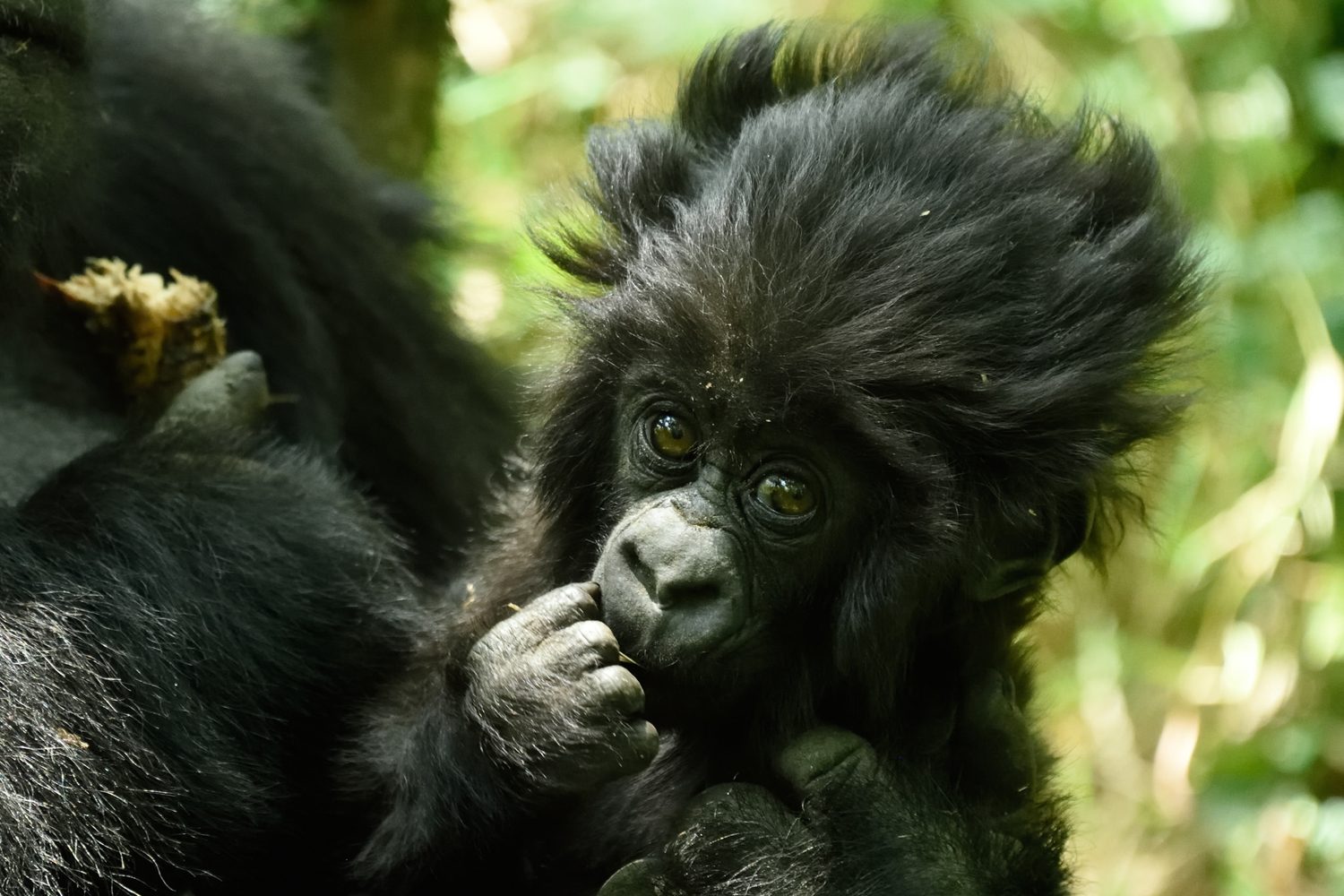
The scientific naming of gorillas began long before it became public. From the late 1960s onward, the first researchers set up study programmes on the Rwandan side of the Virungas. Each gorilla group was monitored closely, and each animal received an individual name to help scientists tell them apart. Names were drawn from physical features, history or even observed personalities.
Dian Fossey and the teams that followed her spent decades recording the births, deaths, transfers and relationships of these families. The detail they published changed what the world thought about gorillas. The names in those records, such as the dominant silverback or the devoted mother, gave the science a face. When the forest was opened to eco-tourism in the years after Fossey, visitors came and met animals whose names they had read about in the research papers.
By the turn of the millennium Rwanda decided to transform the naming ritual into a national public event. The modern ceremony was shaped to say thank you to the communities living around the park, people who had shared the land with the gorillas for centuries. From 2005 onward the annual event grew bigger and more sophisticated. Media from around the world began to travel to Kinigi, drawn by the very success the day promotes.
Strikingly, the ceremony tells a true success story. In decades when mountain gorillas were struggling elsewhere in Africa, the Rwandan population recovered enough that tourism expanded as gorillas colonised new territory in Volcanoes National Park. The public naming of gorillas was a small piece of a much larger push that today makes Rwanda the world’s most famous home of mountain gorilla tourism.
The event is a full carnival of kindness and spectacle. Early in the morning thousands of people gather around the ceremony ground at the base of the volcanoes. Local performers dressed in traditional garments entertain the crowd, while the sound of choirs and the thunder of drums build the excitement. Villagers from the surrounding slopes march in beside schoolchildren holding banners, and important guests take their seats on a covered platform.
Then comes the central moment. With the emcee announcing each gorilla family, the baby’s name is read to the crowd. In many editions of the ceremony, each baby gorilla is represented by a large framed photograph, and the person honoured with the task of naming walks forward to give the name. The name is chosen from a short list suggested by researchers and the trackers who care for the family groups.
Each year of the ceremony is built around a theme selected by the organisers, and names deliberately align with that theme. Around the celebration you will find art exhibitions, conferences on conservation and development, and cultural markets where women and men from the community sell beads, crafts and banana wine. Park rangers and guides stand ready to tell stories about life on patrol. The day is as much about people as about primates.
A tradition that began informally has become the world’s best example of how a wider community can find value in wildlife. The public editions of Kwita Izina usually run at the end of September, and the weeks around them are among the best periods to travel to Rwanda.
It is worth asking what a name actually does for a gorilla. In biological terms names are simply human labels. But the naming ceremony has an outsized effect on how people respond to a wild species, both within Rwanda and worldwide. A name turns a statistic into an individual. It is much easier to care for a named mother or a celebrated silverback than for a number on a permit list.
Kwita Izina generates vast press attention every year, drawing new visitors to the forest. When officials announce that a protected park continues to grow, the message shows that wildlife is part of a national plan. Tourism revenue feeds directly back into park protection, infrastructure and community projects. The thousands of visitors who come for the premiere often extend their holidays to explore the rest of Rwanda’s hills.
The ceremony also creates ambassadors out of everyday people. A child who attends a naming day at Kinigi watches leaders treat a gorilla with respect. That child is far more likely to defend its habitat in the future. Conservationists agree that a community that spontaneously loves its wildlife will rarely harm it. Both government and local people reinforce that principle through the public celebration.
And it shows on the ground. In regions where other African protected areas fell prey to instability, the Virunga population has held firm. It remains the emblem of a country that honours nature as gratefully as it does people. To Rwandans the naming day is not a marketing trick. It is a happy, annual renewal of the promise the whole country makes to nature.
Kinyarwanda-speaking families practised the naming ceremony long before the park existed. When a child was born, the family gathered around the fire and the elders heard the name the parents had chosen. Sometimes the name praised an ancestor, and sometimes it carried a blessing for the future. The ceremony joined the baby to the community and to all the ancestors who had come before.
In typical Rwandan warmth the ceremony was never a poor affair. Guests were fed and entertained with poems and stories of folklore. The name itself had to roll beautifully off the tongue, a gift to the mother who had carried the child. Names meaning gift, hope, peace or tribute to family were all common. There was always time to thank God, the ancestors and the grandparents who would raise the child within a solid clan.
Borrowing those rituals for the gorillas was therefore not a marketing act. It was a natural extension of the culture from which the ceremony springs. There is respect for new life, the gift of a name that stays forever, and the joy the whole community feels at a birth. In the Virungas the village is not only a family but also a wider world that observes, cares, protects and celebrates. When the announcer calls a name at Kinigi, it is a blessing for the whole fauna and for the soul of the country.
The naming ceremony takes place in front of the Volcanoes National Park headquarters. This is the same sector from which the morning gorilla treks set out into the forested valleys beneath the peaks of Bisoke and Karisimbi. The park is managed by the Rwanda Development Board. The two experiences are different but equally moving. On the first day you listen to drums and cheers, and on the next you kneel in the ferns listening to a silverback’s breath.
Together they make a spectacular Rwandan package. Many of our travellers begin with a full morning in the rainforest, arranged with official guides and the famous trackers, after booking their safari with our team. If you can align your dates, you can watch the ceremony one day and climb into the forest the next morning under the same dramatic cones that hosted the celebration.
The north of Rwanda is enormously rich around Musanze and the whole district of the Virungas. On the same route many travellers also visit the Iby’Iwacu cultural village to meet the community, then continue to the coffee hills and the royal heritage of the south. With so many destinations packed into a small country, the wildlife and culture of the Virungas are just one gate into everything Rwanda offers.
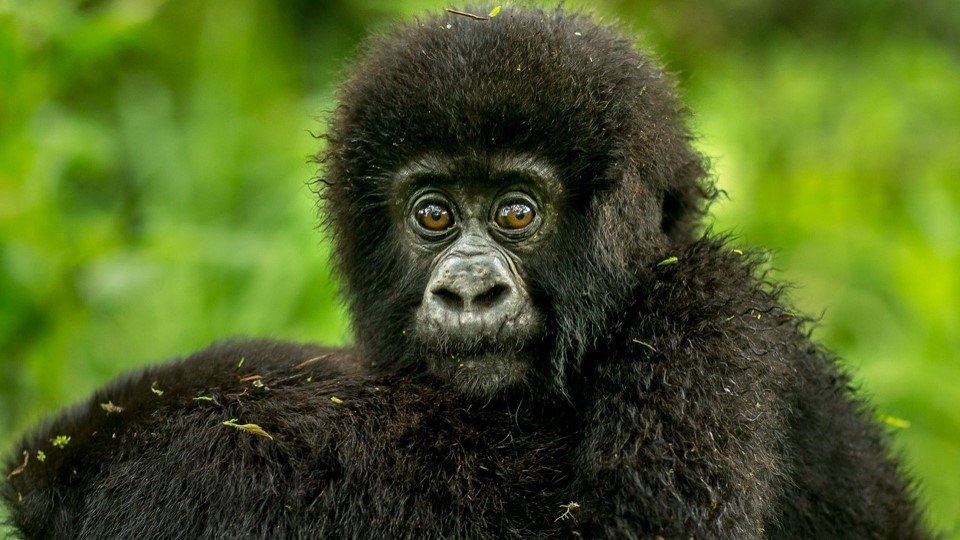
The star of any visit is the gorilla trek, but the ceremony is worth building a trip around. The event happens at the end of September, a season that offers excellent weather for the forests and clear light for photography. The hills are green, the park is quiet and the trails are easy to walk.
You can combine the ceremony with a longer tour of the country. Take a permit for the volcanoes, the plantations of the volcano gardens, and the drumming of the cultural villages. Further south, the rainforest of Nyungwe and the shores of Lake Kivu complete an eight-day grand loop. Each corner of the country has its own character, and a best of Rwanda eight-day safari is the classic way to see it all.
Staying in Musanze or Kinigi for three or four nights is the ideal recipe for the ceremony in season. We can brief you on the latest news from the park and introduce you to the meaning of the names. We also arrange your drivers, accommodation and transfers, so your only concern is enjoying the celebration.
Booking your gorilla permit well in advance is essential, especially if you plan to travel in September when demand peaks. Permits can be reserved through the official system or through a trusted tour operator, and we are always happy to arrange everything on your behalf.
Kwita Izina is open to the public and free to watch in the public areas around the ceremony ground. Arriving early in the day allows you to find a good spot, browse the local stalls and catch the arrival of the guests. Dates and details appear on the official ceremony website. A rain jacket is a wise companion in the mountains, where the weather can change quickly and a short shower may pass over the hills at any moment.
After the ceremony draws to a close, Kinigi slowly returns to its routine and the forest calls once more. Remember that in Rwanda the mountains, the culture and the wildlife are all waiting for you. From the joyful ceremony to the silence of the treetops, the volcanoes country offers one of the most moving weeks anywhere on the continent. For official travel information, see the Visit Rwanda tourism board.
Ready to be part of this extraordinary tradition? Talk to us about a journey north during the naming month, or design a trip around all the culture of Rwanda. We arrange your permits, your treks and your stay. A six-day gorilla trek and Lake Kivu experience is a natural extension of your time in the volcanoes. Contact us today and Rwanda’s beauty will be on your doorstep.