Gorilla Permits Rwanda — 6 Years of Trusted Service
Most visitors to Rwanda arrive in Kigali city and leave the same day for the forests of the north. That is a mistake. Kigali city is one of the most interesting, safest and most pleasant cities in Africa – a city of green hills and wide streets, of poignant memorials and world-class food, and a place where the story of modern Africa is being written.
People call Kigali the cleanest city in Africa, and the reputation is deserved: it is safe to walk at night, welcoming to strangers, and endlessly photogenic. Whether you have a single day before a gorilla trek or a weekend at the start of a long safari, the city deserves real time.
This guide covers the essential sights, the best food, the neighbourhoods worth exploring and the practicalities of a Kigali visit. For official listings and events, check Rwanda’s official tourism board.
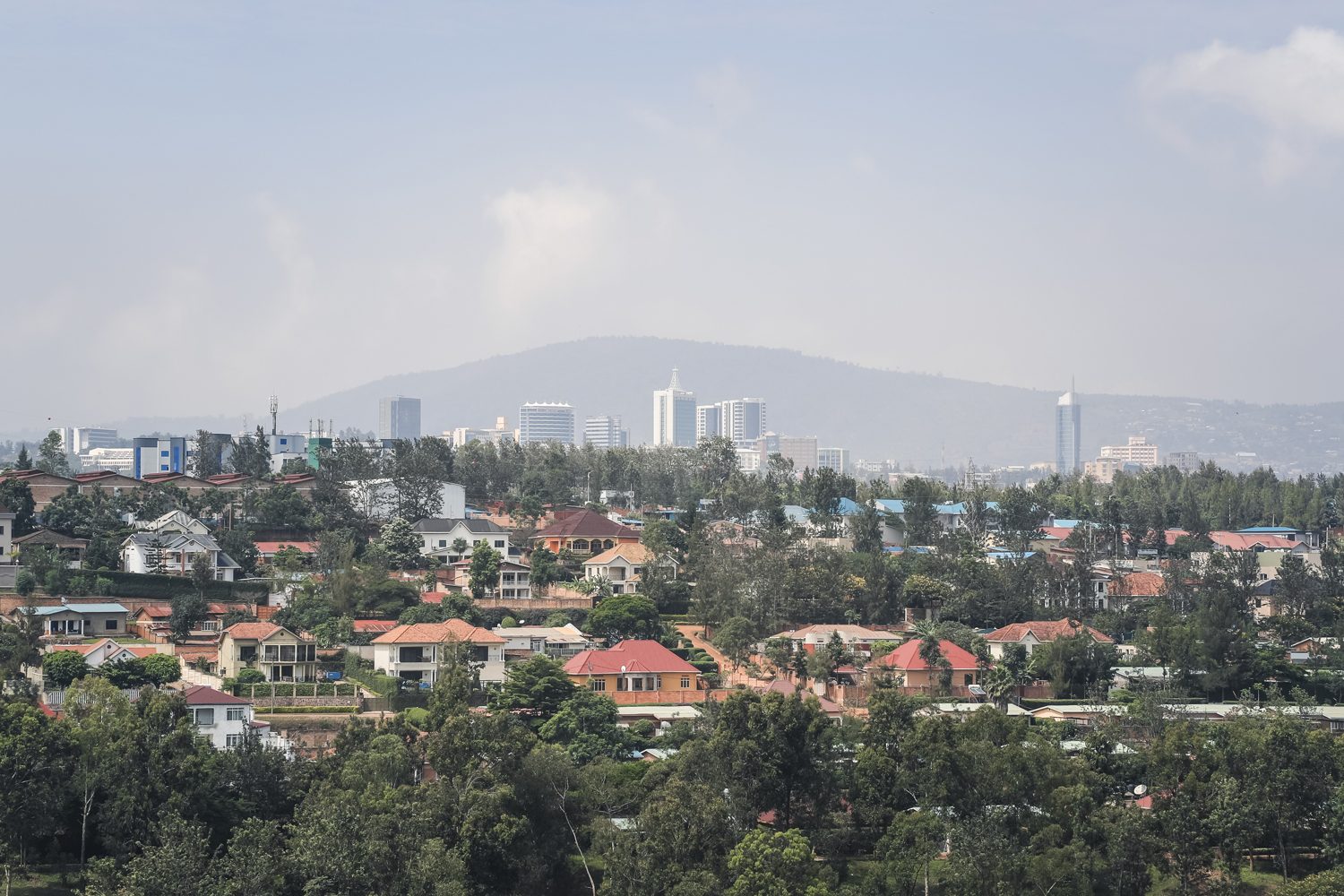
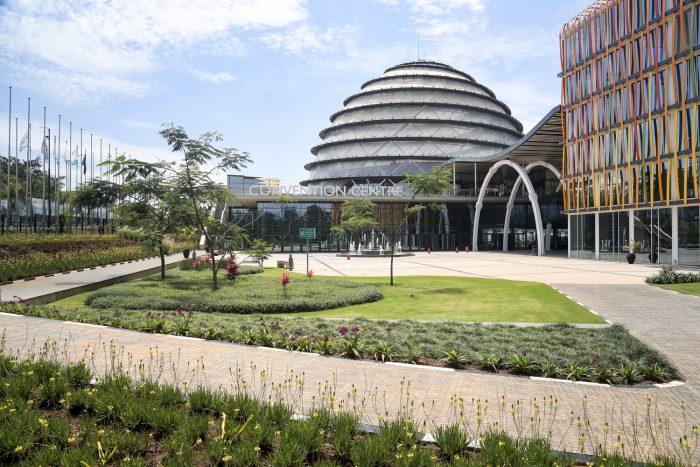
Kigali climbs across a dozen hills, its neighbourhoods spilling down the slopes in a tangle of roads, stairways and bougainvillea. The city centre, around the landmark Kigali Convention Centre with its distinctive dome, is the modern face of Rwanda – glass buildings, smart hotels and a confident skyline – while older quarters like Nyamirambo keep the city’s soul.
The hills themselves are the city’s signature view. Lookouts at the top of the city’s ridges show green valleys, red-tiled roofs and the haze of the countryside beyond – a landscape that explains why visitors fall for Kigali within hours.
No visit to Kigali is complete without a visit to the Kigali Genocide Memorial, the city’s most important and most moving site. Located in Gisozi, it is the final resting place of more than a quarter of a million victims of the 1994 genocide against the Tutsi, and its exhibitions tell the story of what happened with clarity, dignity and hope. The memorial gardens, with their roses and mass graves, are a place for quiet reflection.
The visit is intense – allow at least two hours – and is widely regarded as one of the most profound museum experiences in the world. It is also a story of recovery: the memorial and the city around it stand today as a living commitment to reconciliation and to never again.
The genocide memorial is not Kigali’s only history. The Campaign Against Genocide Museum, near the parliament buildings, tells the story of the liberation of the city, while other sites across town offer further context on Rwanda’s recent past. Together with the genocide memorial, they give visitors a fuller picture of what the country has been through and where it is going.
For a lighter change of pace, Kigali’s art scene is thriving. Galleries and studios across the city – many of them in the Nyamirambo and Nyarugenge neighbourhoods – showcase contemporary Rwandan art, from vibrant paintings to recycled-metal sculpture, and are wonderful places to meet local artists and buy original work.
Kigali city is a great place for shopping, especially for crafts. The capital’s markets are a riot of colour and commerce: Kimironko Market is the place for fruit, spices and everyday Rwandan life, while craft markets and cooperatives sell the country’s famous agaseke baskets, geometric imigongo art and beaded jewellery.
Buying directly from cooperatives is the best way to shop – the money goes to the makers, and the quality is superb. A guided market walk is a safe, fun way to start, and the busier markets expect bargaining.
The restaurant scene in Kigali city is one of the best in East Africa, ranging from street-side brochettes to elegant fine dining. Local dishes are the place to start: isombe (cassava leaves), ibitoke (plantains), grilled fish and hearty stews, washed down with a cold local beer or a cup of Rwanda’s famous arabica coffee – which is genuinely some of the best in the world.
Coffee culture has exploded in Kigali, with specialty roasteries and cafes on nearly every hill, and the city’s bars and live-music venues make for a safe and lively night out. Friday nights, when much of Kigali heads out, are a particular experience.
Meanwhile, Nyamirambo, the city’s oldest quarter, rewards exploration: its guided walking tours – run by a local women’s cooperative – take you through markets, courtyards and historic streets, and are among the best experiences in the city. In the centre, the area around the convention centre is perfect for museum-hopping, while the hilltop neighbourhoods offer views and the city’s classic architecture.
Everywhere, the city’s calm order makes walking feel safe and easy. Kigali is also famous for its car-free days, when central roads close to traffic and the city fills with runners, cyclists and families – a monthly festival of the city’s extraordinary civic pride.
In addition, Kigali makes an excellent base for excursions. The National Museum of Rwanda in Huye (formerly Butare) – the country’s best ethnographic museum – is a couple of hours’ drive south, while the royal palace at Nyanza offers a glimpse of the old kingdom. Closer still, coffee tours and community walks in the surrounding hills fill a day easily.
For wildlife, Akagera National Park is a short drive from the city and works well as a full-day safari from Kigali, and the international airport makes the capital the natural start and end point for any Rwandan adventure.
Kigali’s story explains everything about its present. A trading post established in 1907, it became the capital at independence in 1962 and grew quietly for three decades. Then, in 1994, the genocide against the Tutsi tore through the city, and within a few years a new generation began rebuilding it with astonishing speed and purpose.
The result is visible on every street. Clean, ordered, carefully planned, Kigali has become a symbol of post-conflict renewal, a city that treats its appearance and its reputation with obvious pride. The civic order is visible too – litter is collected, plastic bags are banned, and car-free days make Kigali feel like a city that exercises.
Visiting Kigali is therefore more than a sightseeing trip. It is a chance to see what leadership, reconciliation and civic energy can build in a generation – and to understand the Rwanda of today. It is, in many ways, one of the most quietly inspiring places on the continent.
Kigali is a city designed by its landscape. From the airport hill, the road drops into a bowl of green, and almost every neighbourhood delivers a viewpoint where the ravine falls away and the skyline of the CBD rises in the distance. Also, the city is compact enough for a day of guided walks and short drives.
For green spaces, Kigali does not disappoint. The city’s parks, the gardens of the memorials and the hillside woodlands around the smarter suburbs are popular with joggers and families, and there are walking trails whose views rival any countryside on the continent. On Sunday mornings, the hills are full of joggers – one of the healthiest city scenes you will find anywhere.
Look for the viewpoints at sunset: the golden light across the valley, with the hills stacked like a green amphitheatre, is the image most visitors carry home from Rwanda’s capital.
Kigali’s accommodation ranges from luxury brands and boutique hillside hotels to clean, friendly guesthouses that give you a genuine neighbourhood welcome. Most visitors on a gorilla itinerary stay in the central business district, close to the restaurants, museums and the new convention centre; budget travellers find excellent value in the suburbs.
Whatever your budget, book at least one dinner with a view. Several of the city’s hotels sit on hilltops with terraces overlooking the valley, and evening light over Kigali, with a drink in hand, is one of the least expensive luxuries in Africa.
For those starting a safari, most operators offer a Kigali night before or after the bush, which doubles as acclimatisation for the altitude of the west and a first taste of the country – a good reason not to rush past the capital.
Kigali city is one of the easiest African capitals to visit, and entry is simple through the Rwanda Development Board. English is widely spoken – with French and Kinyarwanda – and the currency, the Rwandan franc, is easy to handle. Moreover, ATMs are plentiful, most restaurants and shops accept cards, and a modest amount of cash will cover markets, taxis and tips.
Finally, the city has excellent mobile coverage, good 4G and a growing number of hotels, so staying connected is simple. Traffic is busy at rush hour and moto-taxi is the quickest way around, but for a visitor the walk is often best: the city is small, climbable and interesting on foot.
Whatever your length of stay, the golden rule of Kigali is the same as the golden rule of Rwanda: travel slowly, meet people, and let the city’s calm disarm you. It is definitely worth more than a single-night transit.
With one full day in Kigali, start early. Morning: the Kigali Genocide Memorial, which deserves at least two unhurried hours and quiet afterwards. Lunch in the city centre – the area around the convention centre is dense with cafes and restaurants. Afternoon: a museum, an art gallery, or the craft cooperatives where you can shop with the makers. Evening: a rooftop drink or a dinner that shows off the city’s dining renaissance.
With a second day, slow down. Spend the morning at Kimironko Market, where the fruit, spices and textiles bring all of Kigali to a single street, and the afternoon in Nyamirambo on a guided walking tour. It is the kind of day that costs little and stays with you for years.
However, for a more relaxed version of the city, skip the museums and spend a day drifting: coffee in the morning, a hilltop view at midday, a crafts cooperative in the afternoon, and the sunset from one of the city’s lookouts. Kigali rewards those who give it a day to be enjoyed rather than ticked off.
Whatever your balance, the city repays structure: book the memorial and any guided tours ahead, and leave space for the unexpected market, the street murals and the conversations that Kigali seems to offer up freely.
Kigali comes alive after dark in a way that surprises most visitors. The city is famously safe, and its evenings are a calm and convivial affair: rooftop bars with valley views, live-music venues where the sound is a blend of Congolese rumba, and jazz, and the city’s own confident modern scene.
Diningwise, the range is superb: a local kitchen doing brochettes and isombe, a bright bistro, a dinner spot with a view over the hills. Many restaurants take reservations in the evenings and, at weekends, tables fill early – so book ahead if you have your heart set on a particular restaurant.
Fridays are the big night out across the city, and the energy is young and friendly. The dress code is casual but smart, the security is visible, and the atmosphere is one of a city that has every right to celebrate itself.
For families, Kigali’s evenings work differently but just as well: early dinners, dessert cafes, and the city’s streets, safe for walks and ice cream. Whatever your style, do not skip the city’s evenings; they are part of its personality.
Kigali’s pride shows itself in public. On the first Sunday of each month the city closes its central roads to traffic for the famous car-free day, and the streets fill with a river of runners, cyclists, roller-skaters and families. It is a joyful, welcoming spectacle – free fruit at the roadside, music, and a city turned, for a morning, into a park for its people.
The last Saturday of the month brings the quieter counterpart: umuganda, the community work morning when citizens sweep streets, plant trees and repair public spaces together. It is a volunteering tradition with deep roots, and its visible results – spotless avenues, manicured verges – are part of why Kigali is the cleanest capital in Africa.
Visitors are quietly welcomed to join in both. Showing up to run on car-free day, or greeting the umuganda crews with a smile, is a small act of respect for the city’s most distinctive institutions.
These traditions, more than any monument, are Kigali’s spirit: a city that believes public life is a shared project. Spend a Sunday here and you will leave understanding why Rwandans speak of their capital with such pride.
Kigali is easy to navigate. Moto-taxis are the quickest way across the hills, car hire with a driver is affordable, and ride-hailing apps work well. English, French and Kinyarwanda are all widely spoken, credit cards are accepted at hotels and restaurants, and cash (Rwandan francs) is useful for markets and taxis.
Safety is one of Kigali’s great assets: the city is exceptionally safe by world standards, and visitors routinely walk alone at night. Most gorilla itineraries start and end here, and our 3-day Rwanda gorilla trekking safari includes a night in the capital, as does the 2-day Rwanda gorilla trekking package for those in a hurry. Talk to our team about building Kigali time into your trip – the city is worth more than a transit lounge.