Gorilla Permits Rwanda — 6 Years of Trusted Service
Two hours north of Kigali, beyond the town of Musanze, Rwanda hides one of its most beautiful landscapes. Lake Burera and Lake Ruhondo – the twin lakes – lie shoulder to shoulder in a high volcanic basin. Their waters are still, their shores terraced and green, and the volcanoes of the Virunga range rise in the distance. It is a place of deep calm and almost unreal scenery.
The twin lakes are one of Rwanda’s quiet corners. There are no crowds here, no queues and no entrance gates – just water, hills, fishing villages and the slow rhythm of lakeside life. For travellers moving between the gorillas and the rest of Rwanda, they are the perfect pause.
This guide covers what makes the twin lakes of Burera and Ruhondo special. It explains what to do there, and how to fit them into a Rwandan itinerary.
Lake Burera and Lake Ruhondo lie just north of Musanze, filling the valley between steep hills and linked by a short river channel. Together they form one of Rwanda’s highest and most photogenic lake systems. The lakes sit at around 1,900 metres, overlooked by the volcano peaks that give the region its drama. The Visit Rwanda tourism board promotes them as a hidden gem of the north.
The two lakes are distinct characters. Burera is the larger and wilder, its shore broken by coves and small islands. Ruhondo is smaller and gentler, ringed by terraced fields that step down to the water. Between them they create a landscape that feels made for postcards.
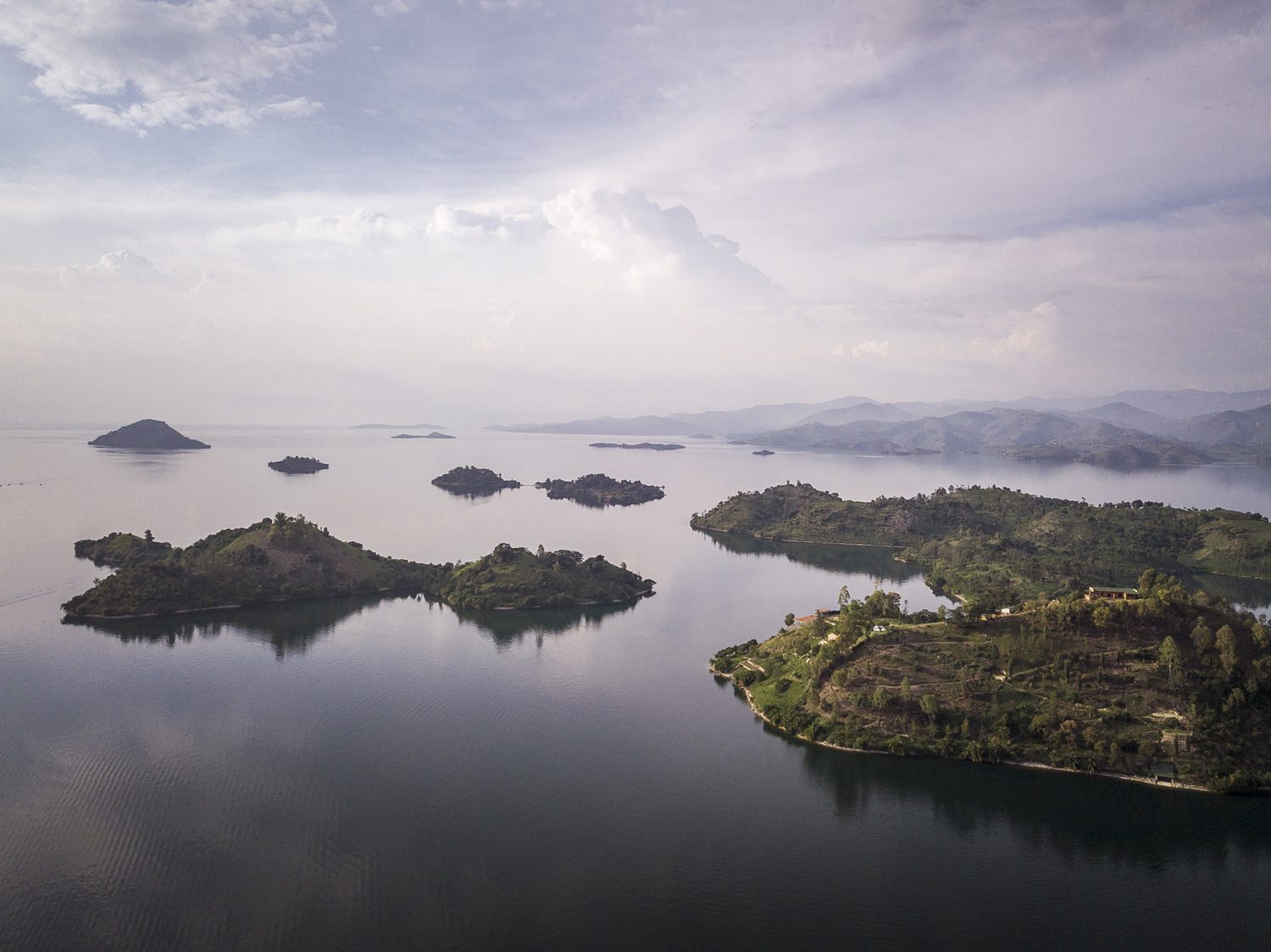
The lakes’ defining sight is the backdrop. On clear days the Virunga volcanoes – Sabyinyo, Gahinga and Muhabura – rise across the northern horizon, their dark slopes layered behind the blue water. Sunrise over the lakes, with the peaks turning pink, is one of the most beautiful moments in Rwanda. Photographers will want to be up early.
Along the shores, everyday life provides the foreground: fishermen pushing out wooden boats, women washing clothes at the water’s edge, children waving from the fields. It is authentic, unhurried and endlessly watchable.
The lakes are working waters, and their fishing villages are the heart of local life. Traditional wooden boats – some paddled, some rowed, some motored – carry fishermen out before dawn. They return with tilapia and small fish that are a staple of northern Rwandan cooking.
Visitors can join a boat trip around the lakes, visit the villages, and – with a local guide – share in the rhythms of the fishing day. The lakes are also wonderful for kayaking. They have the same stillness and scenery that make Lake Kivu famous, but almost none of the company.
The twin lakes and their marshy margins are rich in birdlife. Herons, cormorants, kingfishers and ibises fish the shallows, while the reed beds hold weavers and warblers. The nearby Rugezi wetlands, a short drive away, are among the best birding sites in the country. The lakes make a natural base for a birding morning.
The lakes also support a small population of sitatunga – a swamp antelope that lives almost invisibly in the papyrus – and otters are occasionally seen along the shores. For wildlife watchers, the appeal is the setting as much as the list.
The hills above the lakes are criss-crossed with paths used by farmers and schoolchildren. Walking them with a local guide is one of the best ways to experience the area. The trails climb through banana groves and potato fields to ridge-top views where the lakes lie below like two sheets of polished metal.
Several community trails now run around the lakes, linking villages, viewpoints and picnic spots. Local guides are easily arranged through the guesthouses. A half-day walk is enough to fall in love with the place.
Accommodation around the twin lakes is simple and community-based. Small guesthouses and lakeside camps have terraces over the water, local food, and hosts who are delighted to have visitors. It is a far cry from the luxury lodges of Musanze – and that is rather the point.
Most visitors come as a day trip from Musanze, but staying a night means dawn on the lakes. Dawn here is worth planning around. Simple, honest meals – grilled fish, potatoes, beans and bananas – are the menu, and they taste better with the view.
The greatest way to experience the twin lakes is from the water itself. Wooden fishing boats can be hired from almost any village along the shore. A slow afternoon voyage – past the reed beds, around the islands, threading between the working fishermen – is the essential twin-lake experience. There is no schedule to respect and no itinerary to follow. Your captain simply reads the wind and the light.
The twin lakes of Burera and Ruhondo reward slow travellers. In fact, a visit to the twin lakes of Burera and Ruhondo should include at least one hour on the water. The twin lakes of Burera and Ruhondo are still, green and quiet, and that stillness is exactly what most visitors are looking for.
Kayaking adds a quieter layer. Paddling at dawn, when the mist lies low over the water and the volcanoes glow pink above, is the single most beautiful hour in northern Rwanda. A local guide will take you out in a wide, stable boat. You will not be the first paddler to fall in love with this place.
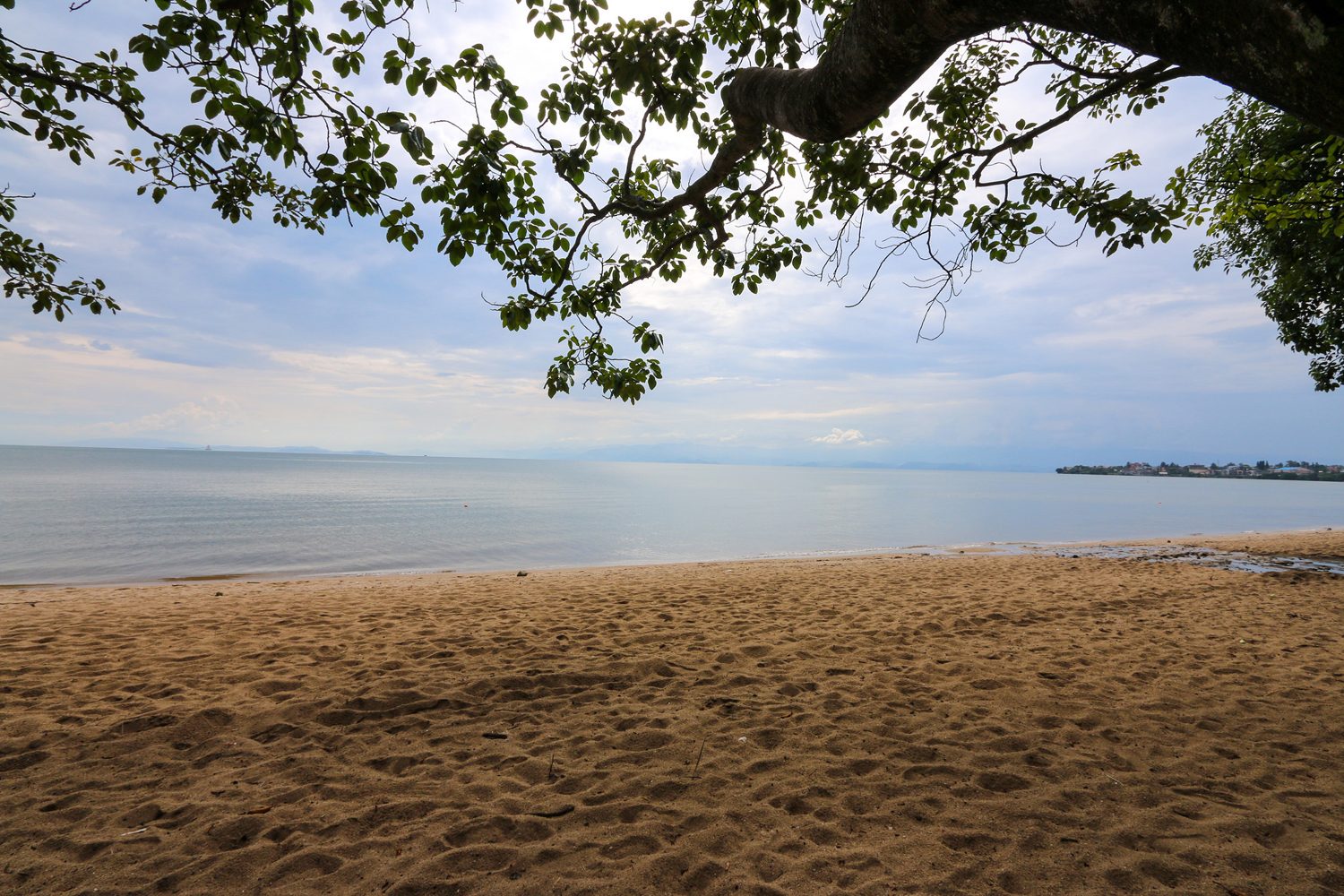
Those who prefer their feet dry can explore by road instead. A short drive circles parts of both lakes, and every bend reveals a new composition of water, terraces and peaks. Half the joy is stopping wherever the view stops you.
The twin lakes are working landscapes first and tourist sites second, and that is precisely their charm. The fishermen of the twin lakes have plied these waters for generations. They push out before dawn in flat-bottomed boats and return in the afternoon with tilapia and the small silver fish that are salted and grilled across the north.
It is a craft built around the lake’s moods, and skill shows in the reading of clouds and water. Village by village, boats are mended on the shore, nets are hung to dry, and the day’s catch is sold straight from the beach. Visiting these communities quietly will be welcomed warmly – a smile, a greeting, and an interest in their work. It changes the meaning of the trip entirely.
Local guides, drawn from the same villages, can introduce you properly. They explain how the lakes were formed and how the families have passed down the craft. They also show how the twin lakes fit into the wider economy of the region, feeding families from Musanze to the capital.
The twin lakes are a photographer’s gift. Early morning, before the road fills, is when it happens. The light arrives low and golden, the mist lifts off the water in ribbons, and the volcano peaks catch the first red of dawn. Those who rise for it are rewarded with the picture postcard of a lifetime.
Midday brings a different beauty: flat, glassy water reflecting the hills in perfect blue. The late afternoon light sets the terraces alight and pulls colour out of the green hills as local boats cross the lake on their way home.
If you have only one session, make it the sunrise, from the northern end near the road to the foot of the volcanoes. The best vantage point is easily arranged with your host. The reward costs nothing but an early alarm.
The margins of the twin lakes are alive with birds. Herons stand motionless in the shallows, and cormorants dry their wings on dead trees. Kingfishers dive with a glint of blue, and the reed beds thread with weavers and warblers. For a small area it is a surprisingly rich list.
The wetlands that connect the lakes to the nearby Rugezi marshes hold some of the region’s scarcest residents. A morning walking the marsh edges with binoculars can turn up the papyrus species that birders from across the world come to find. The presence of the sitatunga antelope, hidden in the papyrus, adds a touch of wilderness to the scene.
Because the lakes are little visited, the wildlife is comfortable – the birds let you closer than anywhere else, and even the scarcer species are easier to approach. A pair of binoculars and a full morning will easily be the highlight of your time here.
The twin lakes have been part of Rwanda’s story far longer than tourism, and that is reflected in their position at the heart of the northern tourist circuit. For visitors on any northern itinerary, the twin lakes of Burera and Ruhondo are an easy detour. They sit an hour from the gorilla park, two hours from Kigali, and within an easy day’s drive of the great forests and lakes of the west. That means they reward every kind of traveller, from the trek-tight schedule to the slow wanderer.
For those arriving from Uganda, the twins are the first landscape of Rwanda. For those leaving for the gorillas, an afternoon of boats and shoresides is the calmest way to pass a rest day. Rwanda’s itineraries are easy to adjust. Travellers who leave themselves flexible around the north rarely regret exchanging a museum hour for an hour on the water.
What the twin lakes offer, in a country of extraordinary sights, is the rarest quality of all: peace. Spend a morning, an afternoon or an evening among them, and you will understand why the people who live here consider themselves lucky. Quiet places get under the skin like nothing else.
The twin lakes are not a resort, and that is the secret of their charm. The swimming is lovely – clean, cool water at altitude, with no crowds – and the shallows near the villages are safe for children under a watchful eye. Pack a towel and nothing else; the lakes provide the rest.
Fishing is the other great lure. Locals will take you out on the morning rounds, show you how the nets are set and mended, and often grill the day’s catch for you on the shore. There is no pretension to it: just water, work and the honest taste of fresh fish.
For the truly idle, a hammock between two trees with a book and a view is a perfect afternoon. The lakes are among the few places in Rwanda where nothing is expected of you. The hours pass without complaint.
One full day of this – a swim, a boat trip, a grilled lunch, a long walk – is the best introduction. The twin lakes have a way of resetting travellers who arrive tired from the forests.
The twin lakes are lovely all year, but the dry seasons – June to September and December to February – are the most comfortable, with firm paths, blue skies and the clearest views of the volcanoes. This is when the waters sparkle and the roads stay dry.
The rainy months have their own beauty. The hills turn impossibly green, and the lakes go glassy between showers. The mist rolling across the water is the landscape at its most romantic. Few visitors come then, so you may have a whole shoreline to yourself – at the price of some mud and unpredictable showers.
At around 1,900 metres the climate is mild all year: cool nights, warm afternoons, and a light jacket needed after dark. Pack for both sun and shower, and you will be comfortable whatever the sky decides.
Because the lakes are informal, they are wonderfully flexible. A sunny afternoon is an invitation, a rainy one a permission slip for coffee and a book. Let the weather, rather than a schedule, decide your days.
The twin lakes of Burera and Ruhondo are easy to reach. You need about two hours from Kigali and barely thirty minutes from Musanze, along the road that heads towards the Ugandan border. There are no park fees and no fixed activities. Just show up, find a boat and a guide, and let the lakes set the pace.
The lakes combine naturally with a gorilla itinerary: a morning trek, an afternoon on the water, or a full day of quiet before heading south. They sit close to the Volcanoes National Park, whose fees are set by the Rwanda Development Board. The lakes slot easily into a 3-day Rwanda gorilla trekking safari with a little tailoring. For travellers who want Rwanda without the crowds, the twin lakes are the place to be. Contact our team and we will happily arrange the details.