Gorilla Permits Rwanda — 6 Years of Trusted Service
Akagera lions were missing from Rwanda’s eastern savannah for nearly two decades. The lions that had once ruled the plains of Akagera National Park were wiped out during the turmoil of the 1990s. The park, though still full of elephants, giraffes, buffalo, and antelope, was missing its apex predator. To conservationists, the absence was more than symbolic: without lions, the ecosystem was out of balance, and no reserve in Africa can be called complete without the king of beasts patrolling its grasslands.
In 2015, that changed. A partnership between the Rwanda Development Board and African Parks brought seven lions from South Africa to Akagera, the first time the species had roamed the park in decades. The reintroduction was not without setbacks, but it succeeded beyond expectation. Today Akagera is home to a growing lion population and a complete Big Five: lion, leopard, elephant, buffalo, and rhino. This article tells the story of the lions’ return and what it means for one of Africa’s most underrated national parks.

Akagera National Park, in eastern Rwanda along the border with Tanzania, was once home to thriving lion prides. Named after the Akagera River that winds through its floodplains, the park protects a landscape of savannah, acacia woodland, papyrus swamps, and lakes. This mixture of habitats historically supported the full suite of East African plains wildlife. Lions were a natural part of that world, and the park’s healthy herbivore populations provided them with abundant prey.
The collapse came in the 1990s. During a period of civil conflict and instability in Rwanda, the park suffered serious encroachment. Cattle herders moved into the savannah, and poaching intensified. Lions were killed directly, poisoned by herders protecting livestock and lost in the chaos of the times. The result was that lions disappeared from Akagera entirely. By the end of the decade the park had effectively lost its top predator.
Without lions, the ecosystem began to change in subtle ways. Herbivore populations grew with fewer natural checks, and the balance of the savannah shifted. For conservationists, the loss was also a question of identity. A national park without its lions was incomplete. Rwanda, which had spent years rebuilding its national image around conservation, was keenly aware of the gap.
The recovery began with a change of management. In 2010, the Rwanda Development Board signed a partnership with African Parks, a non-profit organisation that specialises in the long-term management of protected areas. Together they set about rebuilding Akagera. The first priorities were basic but essential: law enforcement, anti-poaching patrols, infrastructure, and the gradual rebuilding of the park’s credibility as a protected area where wildlife was safe.
Once the park’s security was under control, the next step was obvious: bring back the lions. In 2015, a carefully planned reintroduction moved seven lions from South Africa to Akagera. They were released into a fenced sanctuary to acclimatise before being allowed into the wider park. The logistics were formidable: sedated lions, long flights, veterinary checks, and months of monitoring, all coordinated between the Rwandan authorities, African Parks, and South African conservationists.
The world took notice, and the reintroduction made international headlines. For Rwanda, the return of the lion was a national symbol. Here was a country rebuilding itself, a park coming back to life, and a conservation story told on a global stage. For Akagera itself, it was the beginning of a new chapter in which the park would finally take its place among Africa’s serious safari destinations.
The story was not smooth from the start. Within months of the reintroduction, the park suffered a devastating blow when several of the newly released lions died. Investigators found that at least two of the deaths were caused by poisoning, carried out by cattle herders whose livestock had been attacked. The news was a reminder that reintroduction is only half the battle. The animals also have to be accepted by the people who live alongside the park.
The response was a crash course in community engagement. African Parks and the Rwandan authorities stepped up their work with the communities around Akagera. They strengthened livestock management programmes and promoted predator-proof enclosures. They also explained the economic value of living lions: tourism revenue, jobs, and the long-term security of a protected area that supports the region. Compensation and prevention programmes grew stronger. The message, that a live lion is worth more than a dead one, gained practical support.
New lions were brought in to reinforce the population, and the prides began to stabilise. The hard lessons of the early years shaped a management model that has since become a template for predator reintroductions across Africa. It runs rigorous law enforcement, intensive monitoring, and community programmes in parallel with the wildlife itself. The lions did not just need to be delivered; they needed to be defended.
Today, the lions of Akagera are a genuine success story. The population has grown from the founding groups into a healthy number of prides distributed across the park, and lions are now a routine sighting on safari. The park’s monitoring programme follows the prides with radio collars and regular patrols. The lions’ reproduction and territory use are documented in a way that would have been impossible in the park’s troubled years.
The return of the lions has also restored the ecosystem’s balance. With apex predators back on the plains, the herbivore populations are once again subject to natural regulation, and the park’s ecology is more complete than at any time in decades. Visitors now hear lions roaring at dawn and see them resting in the shade of acacia trees. With luck, they watch them hunt, experiences that were unthinkable in Akagera only a few years ago.
One of the most famous images to come out of the park is a lion in a tree. Akagera’s lions have adopted the habit, unusual among lions in Africa, of climbing into the branches of its large trees. Sightings of lions draped over branches above the savannah have become a signature of the park. It is a small behavioural detail with a large effect: it makes Akagera’s lions distinctive, photogenic, and increasingly famous.
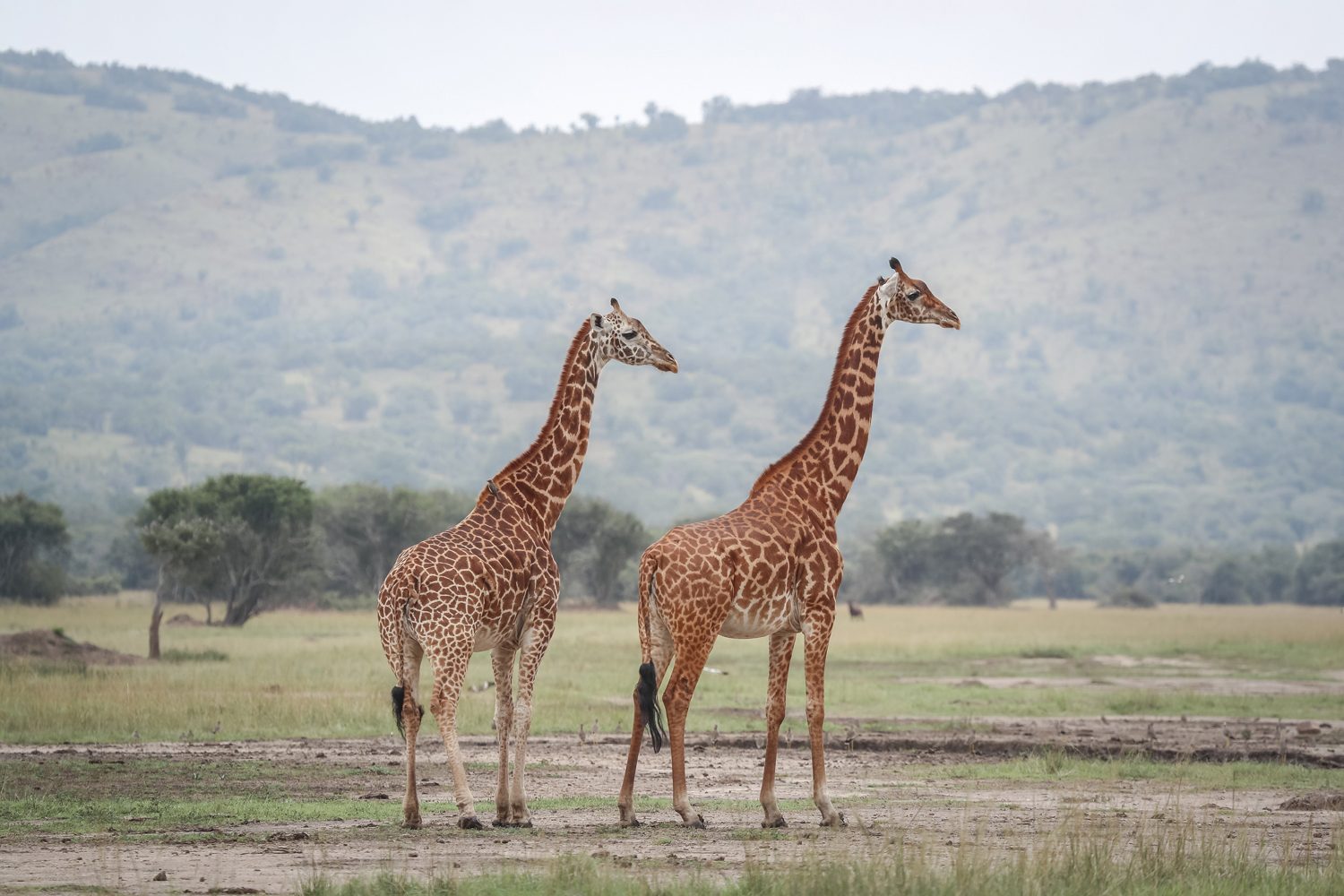
The lion reintroduction was the turning point, but it was not the end of the story. With lions back, Akagera still lacked one of the Big Five: rhinos. In 2017, the park welcomed its first rhinos in a decade, and in 2019 more arrived, completing the Big Five for the first time in the park’s modern history. Today Akagera is one of only a handful of parks in East Africa where visitors can see lion, leopard, elephant, buffalo, and rhino in a single game drive.
The completion of the Big Five transformed Akagera’s fortunes. The park, once a place of neglect, is now a fully-fledged safari destination, with growing visitor numbers, new lodges and camps, and a reputation that extends well beyond Rwanda’s borders. Tourism revenue has grown steadily, jobs have multiplied in the surrounding communities, and the park has become a major contributor to the local and national economy.
The Big Five status also changed how travellers plan their trips. Rwanda is now one of the few destinations on Earth where a visitor can trek mountain gorillas in the morning. A short drive later, the same visitor photographs lions on the savannah. The combination is unique, and it has made Rwanda a two-halves destination: the volcanoes of the north and the plains of the east in one itinerary.
For travellers, the return of the lions has made Akagera unmissable. A typical safari in the park follows the lakes and floodplains in the morning and evening light. You track elephants, giraffes, zebras, and antelope, with lions a constant possibility. The park’s network of roads and camps makes it one of the most accessible Big Five parks in Africa, reachable on a day trip from Kigali. For official visitor information, see the Visit Rwanda tourism board.
The park’s wildlife experience is distinctive because of its mix. The savannah species of East Africa sit alongside the wetland birdlife of the lakes, hippos and crocodiles in the Akagera River, and forest patches that shelter smaller predators. A visit to Akagera National Park is a complete wildlife experience, and the lions are its headline act.
If you are planning to include the park in your itinerary, our Akagera safaris cover the park with expert guides and comfortable accommodation. The timing maximises your chance of finding the prides. You can also combine the east and the north: the classic Rwanda trip pairs gorilla trekking in the volcanoes with a few days on the savannah. That itinerary shows both sides of this extraordinary country. For help planning either, contact our team.
The lions of Akagera are a reminder that conservation is never finished. The prides that roam the park today are alive because a coalition of government, non-profits, and donors decided to pay for their return. They remain alive because the management continues to pay for their protection. The reintroductions cost millions of dollars. The ongoing costs, patrols, monitoring, community programmes, and veterinary care, are permanent.
The good news is that the lions now pay their own way. Tourism revenue from visitors who come to see them funds the management of the park. The economic ripple extends far beyond the gate: lodges, guides, drivers, and community projects all depend on living lions. Conservation in Akagera has passed from charity to enterprise, and that is the most durable form of protection a wild animal can have.
When you visit, you become part of that equation. The price of your safari includes a contribution to the park’s future, and every sighting of a lion with a radio collar is a reminder that you are watching an animal under continuous care. People who believed the park deserved them gave the Akagera lions a second chance. Now the lions write their own story, one pride, one roar, and one tree-climbing afternoon at a time.
No lion reintroduction succeeds on wildlife alone, and the story of Akagera’s lions is also the story of the people who made it possible. The rangers of the park, many of them from the communities bordering the reserve, form the front line. They patrol the fences, track the prides, remove the snares, and respond to every alarm. Their daily reports, collated at the park headquarters, are the intelligence system that keeps the lions safe from the threats that killed their predecessors.
The community engagement team works the other side of the same equation. They meet with cattle owners, school groups, and local authorities to explain what the lions mean for the region. They bring jobs in guiding and hospitality, income from tourism, and the long-term stability of a park that protects the watershed and the land itself. Where livestock are vulnerable, the team supports better enclosures and herding practices. Where conflicts flare, they respond quickly with practical solutions rather than penalties alone.
The result is a park that the surrounding population has come to defend rather than endure. Farmers who once saw the reserve as lost grazing land now see it as an employer; young people who might once have looked for opportunity elsewhere now see careers in conservation at home. The lions, in other words, are not just animals in a park. They are the centrepiece of an economy, a source of pride, and the reason a growing number of Rwandans are choosing conservation as a way of life.
Akagera’s lions belong to a wider Rwandan story. The country’s conservation reputation was built on the mountain gorillas of the Virunga volcanoes. The return of the lions, and later the rhinos, has added a second chapter: a nation that restores what it has lost. Together with the chimpanzees of Nyungwe and the hundreds of bird species across the country, the Big Five of Akagera complete a picture that few destinations can offer.
For the traveller, the practical consequence is freedom of choice. A single Rwanda itinerary can include gorilla trekking in the mountains, chimpanzee tracking in the south-west, and a classic savannah safari in the east, all within a country smaller than many American states. The Akagera lions make the eastern leg of that journey unmissable. They give the country a complete wildlife story: the rarest apes on Earth in the mist, and the full suite of African plains wildlife in the sun.
Conservationists sometimes debate whether reintroductions are worth the cost and the risk. Akagera is the answer that settles the argument. The lions have paid for their own protection and restored the park’s ecology. They have also given thousands of Rwandans a reason to protect wild places. The prides that roam the floodplains today are not a museum exhibit. They are a living economy, a working ecosystem, and a promise that Rwanda’s wild heritage is being rebuilt for the future.
For first-time visitors, the Akagera lions are often the highlight of the eastern safari. However, the lions also matter beyond the game drive. They anchor the park’s economy, and they keep the ecosystem healthy. That is why the Akagera lions are the best story in Rwandan conservation.