Gorilla Permits Rwanda — 6 Years of Trusted Service
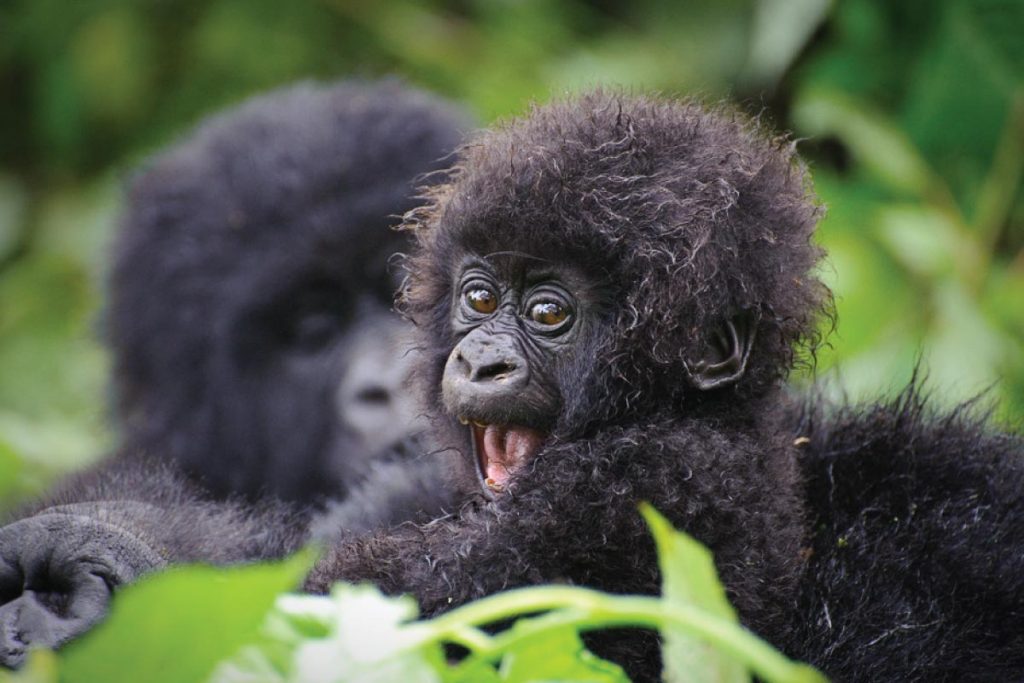
Rwanda is famous for one thing above all: gorilla trekking in the misty volcanoes of the Virunga Massif. But the best things to do in Rwanda go far beyond the gorillas – the Land of a Thousand Hills is also one of East Africa’s most underrated destinations – a compact, remarkably safe, and gloriously green country where you can track chimpanzees through primeval rainforest, watch lions hunt on an African savannah, kayak across vast inland lakes, and taste some of the continent’s best coffee, all within a few hours’ drive of each other.
Because the country is small (about the size of Belgium) and its road network is excellent, you can pack an extraordinary amount into one itinerary. Whether you have a single spare day after your gorilla trek or a full two-week adventure, this guide to the 17 best things to do in Rwanda beyond gorilla trekking will help you build a trip that shows off everything this remarkable country offers. Start your planning with the official site of Rwanda’s official tourism board, Visit Rwanda.
Let’s start with the headline act anyway – because even a beyond-the-gorillas guide would be incomplete without it. Trekking to see mountain gorillas in Volcanoes National Park is one of the most profound wildlife encounters on Earth: a guided hike through bamboo and rainforest to spend one unforgettable hour sitting among a wild gorilla family, watching silverbacks, mothers, and babies go about their day.
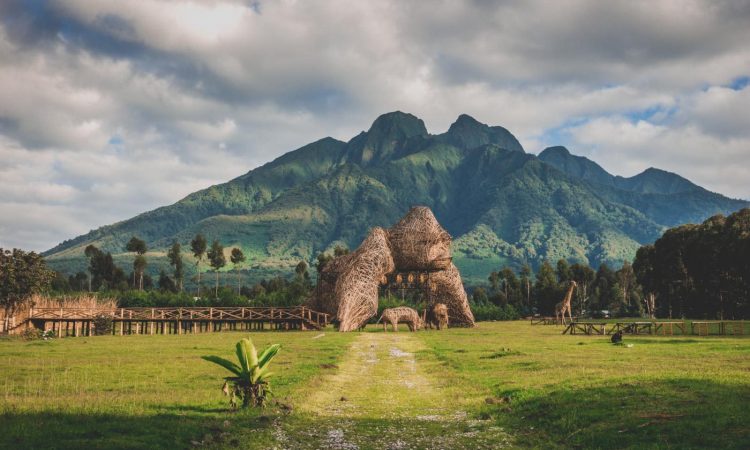
The permit costs US$1,500 per person (full details on gorilla permit costs), issued through the Rwanda Development Board, and the trek itself takes 30 minutes to several hours depending on where the family spent the night. Your once-in-a-lifetime hour costs more than any other wildlife encounter in Africa – and it is worth every dollar.
Situated on the edge of Volcanoes National Park near Musanze, this modern visitor centre and research hub celebrates the life and legacy of Dian Fossey, the primatologist who devoted her life to saving mountain gorillas from extinction. Highlights include a replica of her mountain cabin, interactive exhibits on gorilla behaviour and conservation science, and beautifully designed gardens with views toward the volcanoes.
Many visitors find the campus so inspiring that it tips them from curious to I-have-to-trek – staff can even help you arrange a trek or a visit to Fossey’s research sites. It is an ideal first stop the day before your trek, and entry fees support the fund’s ongoing field work.
Rwanda’s only true savannah park, Akagera National Park, is a remarkable conservation success story: once devastated by poaching, it has been restored over the past decade into a thriving ecosystem holding the Big Five – lion, leopard, elephant, buffalo, and rhino – alongside giraffes, zebras, hippos, crocodiles, and over 490 bird species.
Self-drive safaris cost about US$100 per person, and guided game drives with a spotter start at around US$25 on top of entry. A dawn drive across the savannah, then an afternoon boat trip on Lake Ihema watching hippos and elephants at the water’s edge, makes one of the best full days in Rwanda.
Nyungwe is one of Africa’s oldest and largest montane rainforests, and tracking its chimpanzees is pure adrenaline in a way gorilla trekking is not. These chimps cover huge distances through dense canopy, and finding them can mean a fast-paced scramble uphill through vines and buttress roots before you finally sit breathless among a family grooming, hooting, and feeding around you.
Only three chimp communities are habituated in Nyungwe National Park, each limited to eight visitors per day, so permits are scarce. Tracking costs US$150 plus US$100 park entry – and the forest itself, with its canopy walkway and 13 primate species, is a destination worth the journey on its own.
One of Africa’s great freshwater lakes, Lake Kivu spreads along the country’s western border with the DRC, fringed by terraced hills and the blue silhouettes of the Virunga volcanoes. Its shores hold three resort towns with distinct personalities: Gisenyi in the north with its beach hotels, Kibuye in the middle with its island-studded waters, and Cyangugu in the south near Nyungwe.
Spend a day kayaking between the fishing villages, swim in the calm, crocodile-free waters (one of the few safe lakes in the region), or simply eat grilled fish on a lakeside terrace watching the sun drop behind the Congo mountains. It is the perfect antidote to trekking days – and one of the most relaxing things to do in Rwanda.
Beyond gorilla trekking, Volcanoes National Park protects five of the eight Virunga Volcanoes and offers a full menu of adventures. Track golden monkeys in the bamboo forest, hike to the summit of Mount Bisoke for its stunning crater lake, walk to the Dian Fossey grave site at Karisoke, or take the climb up Mount Sabyinyo for three-country views.
Each activity has its own small permit and daily limit, so it pays to book ahead through your operator. The golden monkey trek in particular is one of the best-value experiences in the park – energetic, fun, and almost guaranteed to delight.
No visit to Rwanda is complete without understanding its recent history, and the Kigali Genocide Memorial is the essential place to do so. A serene, beautifully designed museum in the capital, it documents the 1994 genocide against the Tutsi through photographs, artefacts, and survivor testimony, and it is the final resting place of more than 250,000 victims.
It is a profoundly moving experience – allow at least two hours, take the audio guide, and visit it early in your trip rather than at the end, as it reshapes how you see the country and its remarkable recovery.
Rwanda’s rolling highlands are carpeted with tea plantations, and several offer tours where you walk the green rows with plantation workers, learn how leaf becomes tea, and try your hand at hand-picking the top two leaves and a bud. The most scenic plantations sit near Nyungwe and around the Twin Lakes, with guided walks arranged through local agencies and lodges.
It is a gentle, photogenic half-day excursion – mist over the hills, workers’ baskets, the clatter of the factory sorting lines – and a great way to support rural communities while seeing a side of Rwanda most visitors miss.
Lakes Ruhondo and Burera near Musanze are often called the Twin Lakes, and they deliver some of the most cinematic scenery in Rwanda: steep terraced hillsides, banana plantations, and drifting mist below the volcano skyline. Few travellers make it here, which is exactly the appeal.
Rent a dugout canoe with a local fisherman, hike the surrounding ridges, or just sit with coffee watching the light move across the water. Guided cultural walks through the villages above the lakes round out a perfect slow afternoon.
Rwanda’s newest national park, Gishwati-Mukura, is an exclusive, low-impact wilderness that admits only a handful of overnight guests. The park protects recovering rainforest in the western highlands and is home to chimpanzees, golden monkeys, and over 200 bird species – plus a unique community-based tourism model where local guides and cooperatives run the experience.
Stay in one of the small eco-lodges or community campsites, hike with a local guide through the forest trails, learn about traditional plant medicine from village elders, and wake to mist and birdsong in a forest almost no one else gets to experience. Book far ahead – capacity is tiny.
In Nyanza, an hour south of Kigali, the King’s Palace Museum recreates the royal residence of Rwanda’s pre-colonial monarchy. The centrepiece is a stunning replica of the 15th-century thatched palace, its distinctive geometric architecture built entirely from traditional materials, while the surrounding grounds hold the famous inyambo – the sacred long-horned Ankole cattle whose handlers sing to them.
The singing of the inyambo, performed by their keepers during your visit, is one of the most unique cultural moments you will experience anywhere in Africa. Combined with the neighbouring ethnographic exhibits, it is an unmissable half-day trip from the capital.
Running roughly 227 kilometres along the shores of Lake Kivu from Rubavu to Rusizi, the Congo Nile Trail is Rwanda’s signature multi-day hiking and mountain-biking route. It threads through five districts, two national parks, tea plantations, and countless village communities, with daily stages that end in lakeside camps or guesthouses where the local food is worth the climb alone.
You can walk or bike the whole trail in about a week, or sample a single stage in two or three days – the sections around Kibuye are especially rewarding. It is the best way to experience rural Rwanda up close, far from the safari crowds.
Kigali has quietly become one of East Africa’s best food cities. The dining scene ranges from outstanding Indian at Kurry Kingdom to Afro-fusion tasting menus at MEZA Malonga, wood-fired pizza at Pili Pili, and the famous brochettes and grilled fish at Simba Grill – plus a wave of specialty cafés and bakeries that could hold their own anywhere.
Beyond restaurants, try a dish of the day at a local canteen, hunt for street snacks in the evening markets, or book a cooking class to learn the secrets of Rwandan beans, plantains, and sambaza. Add a night out in the city’s buzzing cocktail bars and you will understand why foodies plan stopovers here.
For souvenirs, Caplaki Craft Market in the heart of Kigali is the place. Stalls are piled with wooden gorilla carvings, drums, baskets, textiles, coffee, and traditional crafts – and bargaining is expected, so take your time and start at about half the asking price.
Many travellers save their shopping for the last day, filling their bags here before heading to the airport. It is also worth knowing that crafts sold through cooperatives – including the peace baskets woven by survivors’ associations – carry a story you can bring home with you.
In Huye (formerly Butare), the National Ethnographic Museum holds one of Africa’s finest collections of ethnological and archaeological artefacts. Seven galleries walk you through Rwandan history: royal regalia, traditional medicine, basket-making, iron-working, agricultural tools, and the stunning geometric imigongo art of the east.
Guides bring the collection to life with stories that connect the objects to everyday Rwandan life past and present. If you are travelling south toward Nyungwe anyway, the museum is an easy and rewarding stop en route.
Rwanda’s high-altitude coffee is among the best in Africa, and the country has built a serious café culture around it. In Kigali, Question Coffee runs a café and roastery that showcases women producers; in Musanze, Crema is the perfect post-trek stop; in Kibuye, Kivu Cup serves lakeside pour-overs. Supermarkets also stock Gorilla’s Coffee beans for the best value per kilo.
For the full story, visit a washing station on a coffee tour (several operate near Lake Kivu and in the south), where farmers will walk you from cherry to cup. Your purchase supports farming cooperatives directly – delicious and genuinely meaningful.
Around the Twin Lakes and in the western highlands, local villages still practise beekeeping exactly as their ancestors did: long cylindrical hives hollowed from logs, sealed with a paste of cow dung, and hung high in the forest canopy. Visiting a village beekeeping project is a fascinating cultural encounter, and tasting the wild honey – dark, floral, and utterly unlike supermarket honey – is a highlight.
Community associations offer visits with local guides, and honey purchases support the beekeepers’ families. It is a quiet, authentic experience that captures rural Rwanda better than any itinerary item.
With 17 experiences on the table, the hardest part is choosing. The good news: Rwanda’s size makes combinations easy. The classic plan gives two to three days to Volcanoes National Park for trekking and golden monkeys, then two days to Akagera for a safari, and a day or two to Lake Kivu and Nyungwe in the west – a loop that can be done in seven to ten comfortable days.
For those short on time, single-day and two-day extensions work beautifully around the trek itself, while longer itineraries such as a six-day loop combine the gorillas with the lakeside towns of Lake Kivu and let you slow down and actually enjoy the journey between destinations. Travellers with more days can add the Congo Nile Trail, Gishwati-Mukura, or a second visit to Nyungwe for the canopy walk, which most people agree is worth doing twice.
Whenever you travel, check the best time to visit Rwanda first, then contact our team to arrange permits, transport, and guides so the only thing you have to do is show up and be amazed.