Gorilla Permits Rwanda — 6 Years of Trusted Service
Rwanda is famous for its mountains, its misty forests and its gorillas – but the country’s east tells a different story. Here the hills flatten out into rolling golden savannah, thorn trees scatter across the horizon, and the rivers of the Akagera system braid through lakes and papyrus swamps. This is Akagera National Park, Rwanda’s only Big Five safari destination and one of the great wildlife restoration success stories in modern Africa.
For years Akagera lived in the shadow of its more famous neighbours. Then came a transformation that made it one of the most talked-about parks on the continent: lions returned, rhinos returned, and a fully functioning savannah ecosystem – complete with elephants, giraffe, buffalo, hippo and more than 500 species of birds – began to thrive again.
This guide covers everything you need to plan an Akagera National Park safari, from the park’s extraordinary restoration story to the best game drives, boat trips, birding and accommodation.
Akagera National Park lies in eastern Rwanda, roughly two and a half hours by road from Kigali, along the border with Tanzania. At around 1,100 square kilometres, it is the largest protected savannah and wetland complex in the country, dominated by the Akagera river system that gives the park its name – a world of lakes, lagoons and papyrus swamps connected by ancient river channels. Our Akagera National Park destination guide has a quick overview of the park for first-time visitors.
The landscape is genuinely varied: open grasslands grazed by herds of buffalo and zebra, acacia woodlands, dense thickets along the lakeshores, and the vast open water of Lake Ihema. This diversity is what makes Akagera so rich in wildlife, and it gives the park a completely different character from the forests of the west.
Because the park is compact and well roaded, first-time safari visitors can see a great deal in a short time. A guided game drive will typically deliver lion, elephant, buffalo, giraffe, hippo and a dozen antelope species in a single morning – something few parks in Africa can match.
Akagera National Park’s modern history is one of decline and return. Founded in 1934, the park was once home to healthy populations of lions, rhinos, elephants and antelope, but decades of poaching and land pressure in the 1990s emptied the park of its apex predators. By the turn of the millennium, lions were locally extinct, and black rhinos had not been seen for years.
In 2010 the Rwandan government partnered with African Parks, a conservation organisation that manages protected areas across the continent. Under its stewardship, poaching was brought under control, communities around the park were engaged in the benefits of conservation, and infrastructure was rebuilt. Then came the landmark returns: in 2015, seven lions were reintroduced to the park, and in 2017, eastern black rhinos – flown in from European zoos in one of the most ambitious translocation projects ever attempted – were released into the savannah.
With lion and rhino back, Akagera joined the exclusive club of parks where the Big Five – lion, leopard, elephant, buffalo and rhino – can all be seen. The park’s predator populations have grown steadily since, and the rhino programme in particular is now considered one of the most successful on the continent.
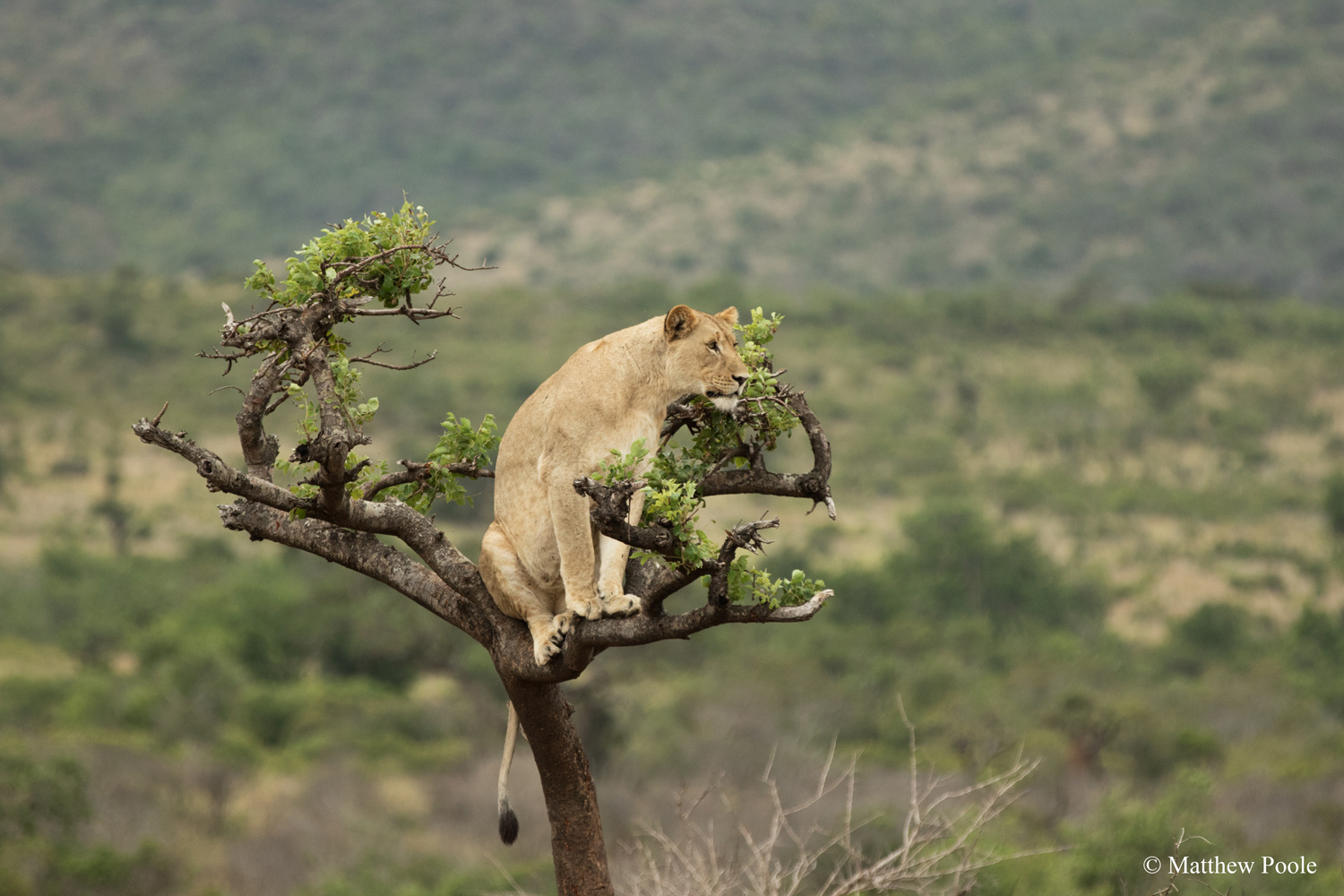
A safari in Akagera National Park is a lesson in what a healthy savannah ecosystem looks like. The Big Five are all present: lions in prides that have multiplied from the original seven, leopards that favour the forested lakeshores, elephants in substantial herds, buffalo on the open plains, and the reintroduced black rhino, seen occasionally by lucky visitors on the park’s eastern plains.
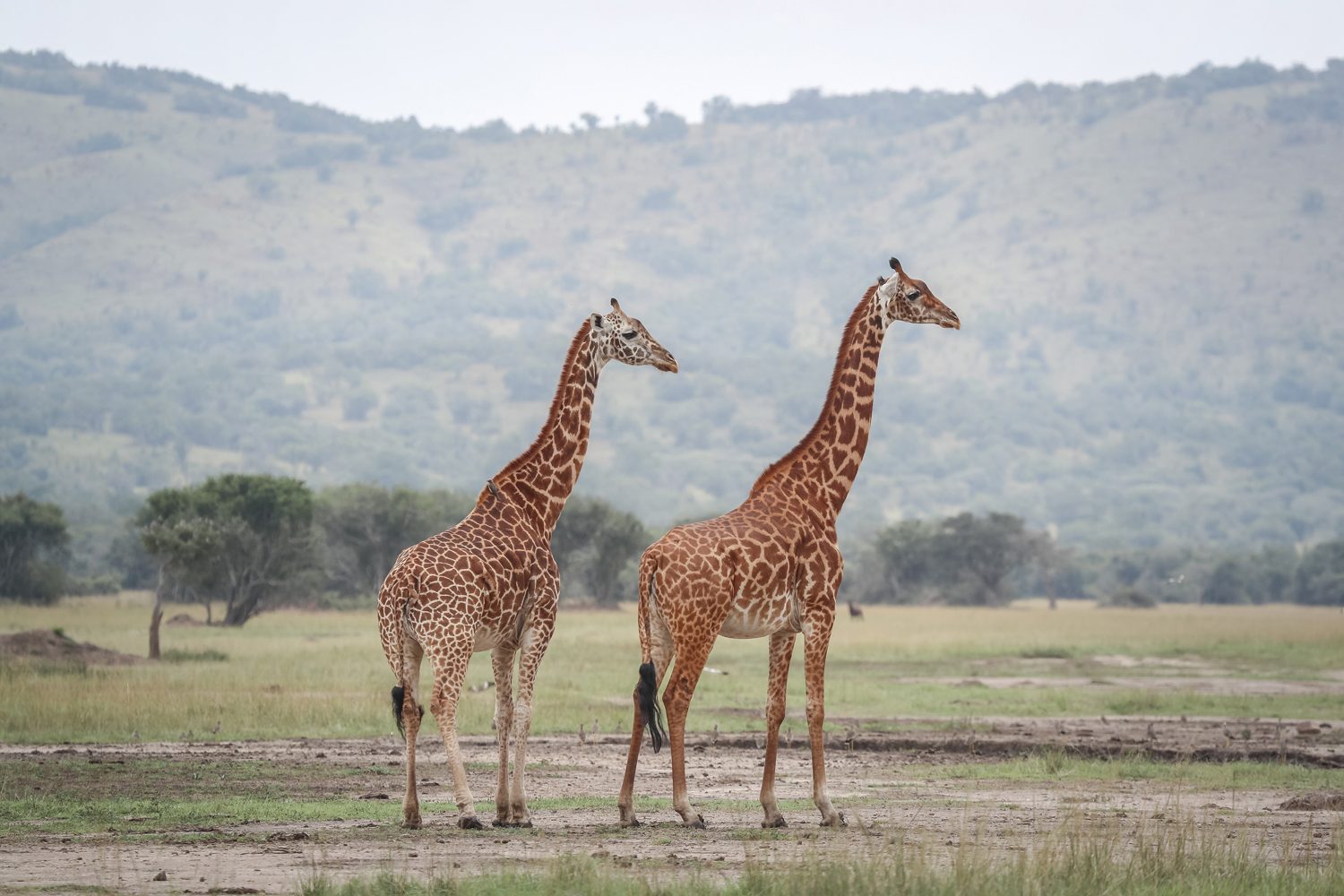
Around them moves an extraordinary supporting cast. Giraffe, plains zebra, eland, roan antelope, topi, defassa waterbuck, bushbuck and reedbuck all thrive, while the lakes host sizeable populations of hippo and some of the largest crocodiles in the region. It is not unusual for a single drive to produce well over twenty species of large mammal.
Species you are most likely to see on a day in Akagera:
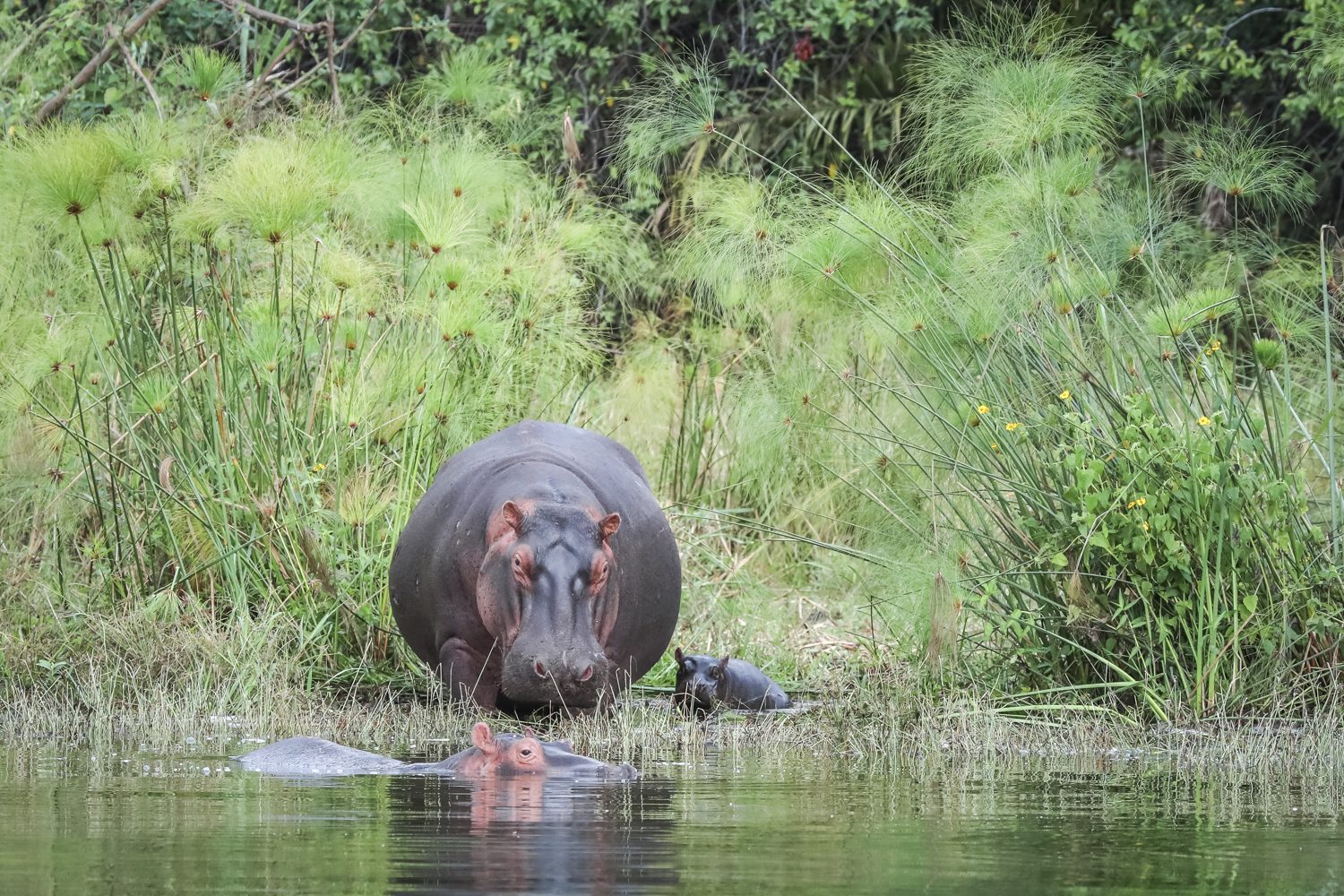
If there is one activity that defines an Akagera National Park visit, it is the boat safari on Lake Ihema. Drifting across the calm water among pods of hippo and basking crocodiles, with fish eagles calling from the treetops, is one of the most relaxed and rewarding wildlife experiences in East Africa. Morning and late-afternoon cruises are the best times to go, when the light is golden and the animals are at their most active.
The lake is also a birdwatcher’s paradise. Herons, egrets, storks, kingfishers and cormorants line the shores, and the papyrus beds hide specialist species found nowhere else on earth. Look for the secretive shoebill – one of the most sought-after birds on the African continent – which is regularly recorded here.
With more than 500 recorded species, Akagera is one of Rwanda’s two or three finest birding destinations. The mix of wetlands, savannah and woodland produces a spectacular list, including the magnificent shoebill, the grey crowned crane – Rwanda’s national bird – and a full cast of rollers, bee-eaters, hornbills, barbets and starlings.
The papyrus habitat around the lakes is of particular interest to serious birders, hosting species such as the papyrus gonolek and the papyrus yellow warbler that are restricted to these wetlands. A dedicated birding safari with an expert guide can produce a hundred species or more in a single full day.
The park is criss-crossed with well-maintained roads, and game drives can be done as guided excursions or self-drive adventures. Most visitors opt for a guided drive in the open-sided vehicles used by the park’s lodges, which combine expert spotting with a safe, comfortable route through the park’s different habitats.
Sunrise drives are the highlight of the day, when predators are still hunting and the air is cool. The western lakeshore road is the classic route, while the eastern Mutumba plains are where elephants – and occasionally rhino – roam. Four-wheel-drive is recommended in the wet season, when some tracks become slippery.
Accommodation in Akagera ranges from comfortable camps overlooking the lake to a luxury tented camp in a remote corner of the park. Staying inside the park is the best way to experience the bush properly – the sounds of hippo at night and the dawn chorus of birds are half the appeal of an African safari.
For travellers combining Akagera with the rest of Rwanda, the park also works well as a two-day add-on at the start or end of a gorilla itinerary, with a lodge or camp inside the park for one night and a full day of game drives in between.
Akagera National Park is at its best from June to September, the dry season, when animals concentrate around water and the grass is low enough to see clearly. The green season from October to May brings lush scenery, dramatic skies and far fewer visitors, though some tracks can become boggy. Unlike the gorilla parks, there are no daily permit caps on general game viewing – but there is a daily entry fee, and malaria precautions are essential in this lowland area.
The park is easily combined with the rest of a Rwandan itinerary, and current entry fees and opening hours are listed on the park’s official website. Our 2-day Akagera national park safari is the classic introduction, and the 8-day Rwanda best adventure safari blends Big Five game viewing with gorilla trekking, chimpanzee tracking and the beaches of Lake Kivu. Whichever way you build your trip, a day or two in Akagera will show you a side of Rwanda most visitors never see.
Water is the pulse of Akagera National Park. The Kagera river – a remote feeder of the Nile basin – runs along the park’s eastern border with Tanzania, and its broad flood plain feeds the chain of shallow lakes and lagoons that cover a large part of the park today. These waterways do far more than decorate the landscape; they are the engine of the whole ecology, sustaining far more wildlife than the savannah could support on its own.
As the lakes slowly shrink through the dry season, they become magnets: herds of buffalo, elephant and zebra gather at the water’s edge, the hippo keep the channels open with their nightly grazing, and the shorelines attract waterbuck, bushbuck, and a constant procession of birds. A boat on the water in the late dry season is rather like sitting at the centre of a stage – the whole park comes to you.
The papyrus that crowds the lake edges is one of the most important habitats in the country. It shelters birds found nowhere else, holds the secretive sitatunga antelope that lives almost invisibly among the stems, and provides feeding and resting grounds for species that have vanished from wetlands elsewhere in the region. Big crocodiles lie half-sunk in the shallows, so keep hands inside the boat and let the guides point out the wildlife.
Combined with the open savannah, this wet-and-dry mix gives Akagera a richness that few other parks in East Africa can match. It is the reason a two-day visit is so productive, and the reason the park has become a favourite for first-time safari travellers who want variety without a thousand kilometres of driving.
Most visitors picture a safari as a vehicle and a long day of driving, but Akagera offers much more than that. The classic morning drive remains the backbone of a visit, yet some of the park’s most magical hours are the ones spent on water, on foot or simply sitting still as the light changes over the lakes.
Late-afternoon boat trips on Lake Ihema come into their own as the sun drops. The light turns amber, the hippos become vocal, and fish eagles call from the treetops. It is the moment most photographers bring the park home, and the ideal way to end a full day in the bush.
Away from the main road, guided walks have been developed along a few short paths, allowing visitors to read the tracks and plants the way their guides do. These are quiet, intimate ways to connect with the savannah – close enough to feel the heat, far enough to stay safe – and they leave you with stories you cannot get from a vehicle.
Whichever you choose, build your day around the light. Sunrise and sunset are when the park is at its most beautiful and its most active; the hours in between are best spent over lunch, swimming somewhere, or simply camping out, as the full midday sun sends the wildlife to the shade – and the evening drive rewards the rested.
Akagera is one of the few parks in the region where self-drive safaris are genuinely pleasant. Roads are well maintained, signage is clear, and renting a car in Kigali and driving the loop yourself is a straightforward, affordable introduction to African wildlife. The freedom to stop, linger and choose your own path is part of the appeal, and many visitors combine a self drive day with a guided boat trip for the best of both worlds.
For first-time visitors, though, a guided safari is hard to beat. A good guide reads the tracks, knows where the leopards like to sleep and the elephants to feed, and brings a lifetime of knowledge to every sighting. In a park as rich as Akagera, a guide can double the number of species you see and triple your understanding of what you are looking at.
The hybrid approach works well for many: one guided game drive and one boat trip to learn the park, then a self-drive morning to explore at your own pace. However you arrange it, a half-day is not enough – give Akagera at least a full day of light and you will be rewarded with the whole East African landscape in one place.
Getting the most from Akagera is about timing and expertise. Book your entry slots, boat trip and accommodation together through a licensed operator, arrive early for the morning drive, and let a guide take the wheel on your first day while you learn the park’s rhythm.
From there, the park will do the rest. A visit to Akagera National Park is more than a safari – it is a visit to a place that conservation brought back from the brink, and the joy of seeing lions in a park that had none twenty years ago is something you will not forget. Talk to our team about adding Akagera to your Rwanda itinerary and we will handle every detail.