Gorilla Permits Rwanda — 6 Years of Trusted Service
There is a perfume of banana leaves and charcoal that marks the Rwandan evening, rising from food stalls and family kitchens along the roads. Rwandan cuisine is not complicated, and that is precisely its charm: it is built from what the hills give generously, prepared with care and eaten slowly, together. For the traveller who takes the time to eat well, Rwandan cuisine food offers a quiet education in the tastes of the Great Lakes, and the kilometres between the gorilla forest and the lake towns are rich with table opportunities.
The foundation of Rwandan cuisine food is the starch of the hills: beans, plantains, cassava, maize, sweet potato and, above all, the many forms of the cooking banana. The cooking banana is the most loved, boiled and pounded, served as a sweet companion to sauces and eaten at every meal. Around that base gather the vegetables of the valley, the sorghum and millet of the high fields, and the proteins: grilled goat, fish from the lakes and the simple milk and butter of the great cattle herds.
Hospitality in Rwanda is generous, and nobody hosts a traveller without trying to feed them well. The customs of the table still carry the tastes of the old institutions: the milk that was the royal drink, the banana beer passed around the gourd, the meal shared by the whole family seated around the pot. To eat in Rwanda is to enter into the country’s oldest conversation.
This Rwandan cuisine food guide travels through the kitchen, plate by plate: the dishes you will meet, the drinks you will taste, the food traditions of the ceremonies and the practical way to eat well on a best of Rwanda eight-day safari that takes you from the capital to the parks and lakes.
The daily meal of Rwandan cuisine food turns on the bean. Cooks boil it simply with onion and salt, sometimes enriching it with coconut or peanut, and pour its broth over everything else. Around the bean sits isombe, a dish of crushed cassava or banana leaves cooked into a smooth green paste with aubergine and peanut, and it is one of the tastes most visitors remember longest.
Then come the bananas. The cooking banana and the sweet banana both belong to the Rwandan table, and a dish of steamed plantains, sliced and served beside beans or a stew, is one of the simplest and best of African plates. The plantain is also fried or roasted and eaten as a side dish in the evenings, while the sweet banana, eaten fresh between meals, is the gentle dessert of the hill.
For the carbohydrate of the highlands, cooks grind millet, sorghum and maize into full porridges, and the morning pot of porridge is the breakfast of the countryside. There is also the dense dough of the flour, pounded and served as the central food of many households, into which the stew is dipped by hand around the family table.
In addition, there is the sweet potato, boiled or roasted over the coals, the eternal street food of the morning markets. The menu changes with the seasons, but the bowl is always full and the care of the women who cook it is the soul of the whole country.
Brochettes, for example, are the flagship of Rwandan cuisine food: skewered pieces of meat, usually goat, sometimes beef or chicken, grilled over charcoal and served with hot sauce and fried plantains in the twilight. The lean goat with the salt is the classic taste, and the evenings at the little bars and stalls where skewers sizzle over charcoal are one of the great rituals of the Rwandan night.
For a fuller plate, the signature of the home is the brilliant green paste of the greens, cooked slowly with peanut and onion, served beside the bean stew and the millet dough. The beef stew, the whole goat roasted over the pit for the great feasts, and the fish from the lakes, cooked with the herbs of the shore, all fill the plate when the family is celebrating.
The high valleys add their own specialities: the pea soup, the maize of the mountains, the cooking banana with peanut sauce. Around the shores of Lake Kivu, cooks grill freshly caught fish with herbs and serve it with plantains, and a fish at the water’s edge is one of the small great events of the western route.
Vegetables take many forms: the cabbage of the mid-country, the spinach of the valleys, the greens of the garden with sesame. The Rwandan kitchen has no long list of written recipes, but the simple range of the garden is turned, day after day, into the deep taste of the hills.
The milk of Rwanda flows richly. Meanwhile, dairy is one of the pillars of Rwandan cuisine food. The long-horned cattle of the hills give thick milk that visitors drink fresh at the market stalls and warm at the farmhouse hearth, while villagers churn the butter by hand and gift it at every ceremony. Households make simple fresh cheeses, and the yogurt of the highlands has a following of its own among travellers.
The culture of the milk, in addition, is visible across the country: the small dairy farms of the western valleys, the cream in the coffee houses of Kigali, the gourd of milk at the old courts. In the south, the district farms prepare the milk drinks served as a welcome to travellers who come to walk the land.
In the old kitchens of Rwanda the milk was the stabilising cold: the buttermilk with the bananas, the butter with the rice, the soft cream with the fried maize. To follow the milk from the udder to the gourd is to follow the herds of the country’s history, and the markets will show you the whole journey.
Ugali, the firm dough of maize flour, is the centre of the plate in many parts of the country. It is the base that gives the meal its body: cooks turn it, fry it and dip it, and it takes every sauce without complaint. Around it, the plantain and the boiled sweet potato keep their place, and the whole is eaten with the right hand and a pinch of salt.
The plantain, in its short and long forms, comes and goes with the festivals: it crowns the ceremony, fills the plate of the family and provides the laughter of the shared meal. The steam of its cooking crosses the village in the evening like the blue of the hills.
The meal is a shared event. The pot never splits into portions; it travels from the stove to the table whole, the family talks while passing the same dish, and no one leaves before the food disappears. The meal begins when the people of the house share it, and it ends when they settle, satisfied, into the night.
The traditional drink of Rwanda is the banana beer, brewed in the home from ripened bananas. It is light, sweet and gently alcoholic, and nobody drinks it alone: the gourd passes from hand to hand as a symbol that no one drinks without company. Every region has its own variation, and tasting it in a village is to taste the social life of the hills.
Beside the banana beer stands the sorghum beer, stronger and darker, and the fruit juices of the small local harvests: passion, papaya and the juices of the tree fruits. The markets guard the secret of the great freshness, the fruit of the morning hills sold the same day.
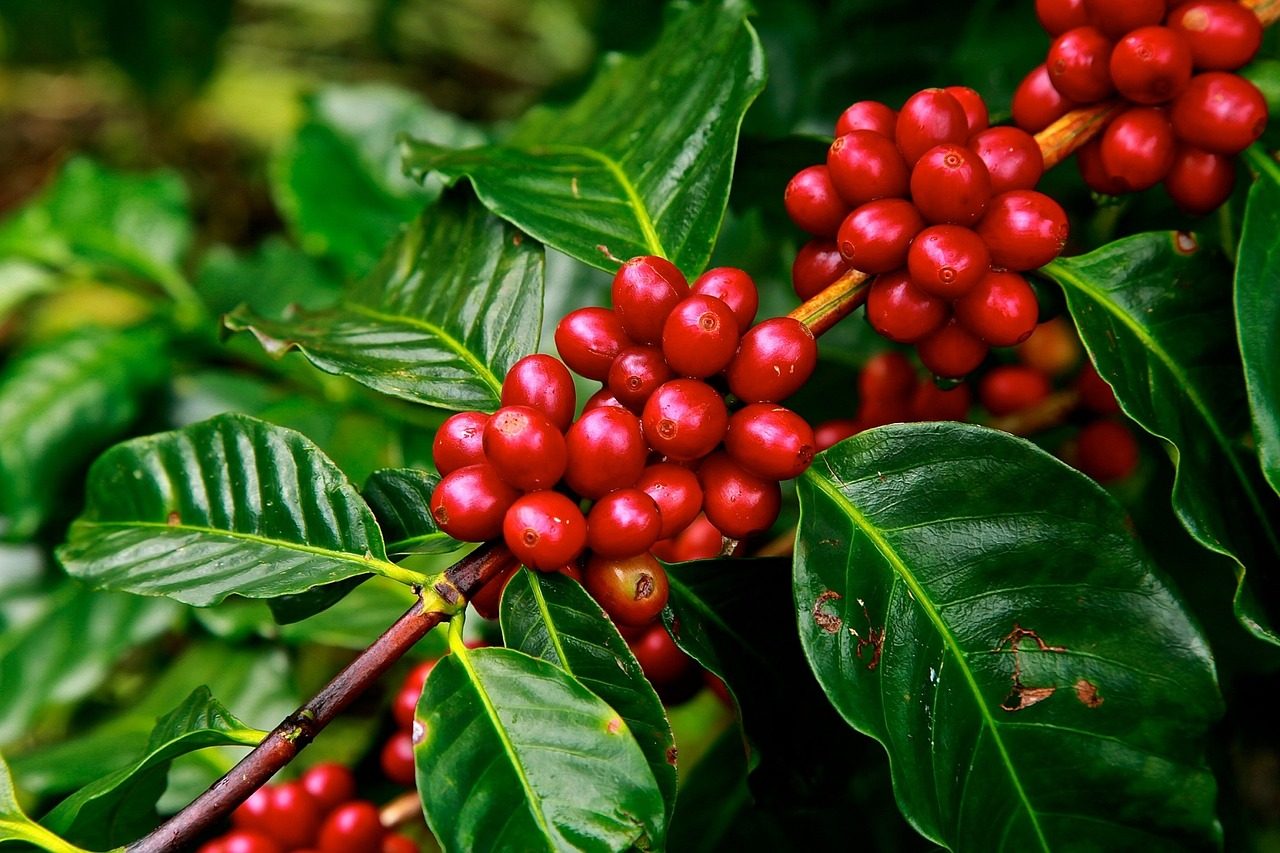
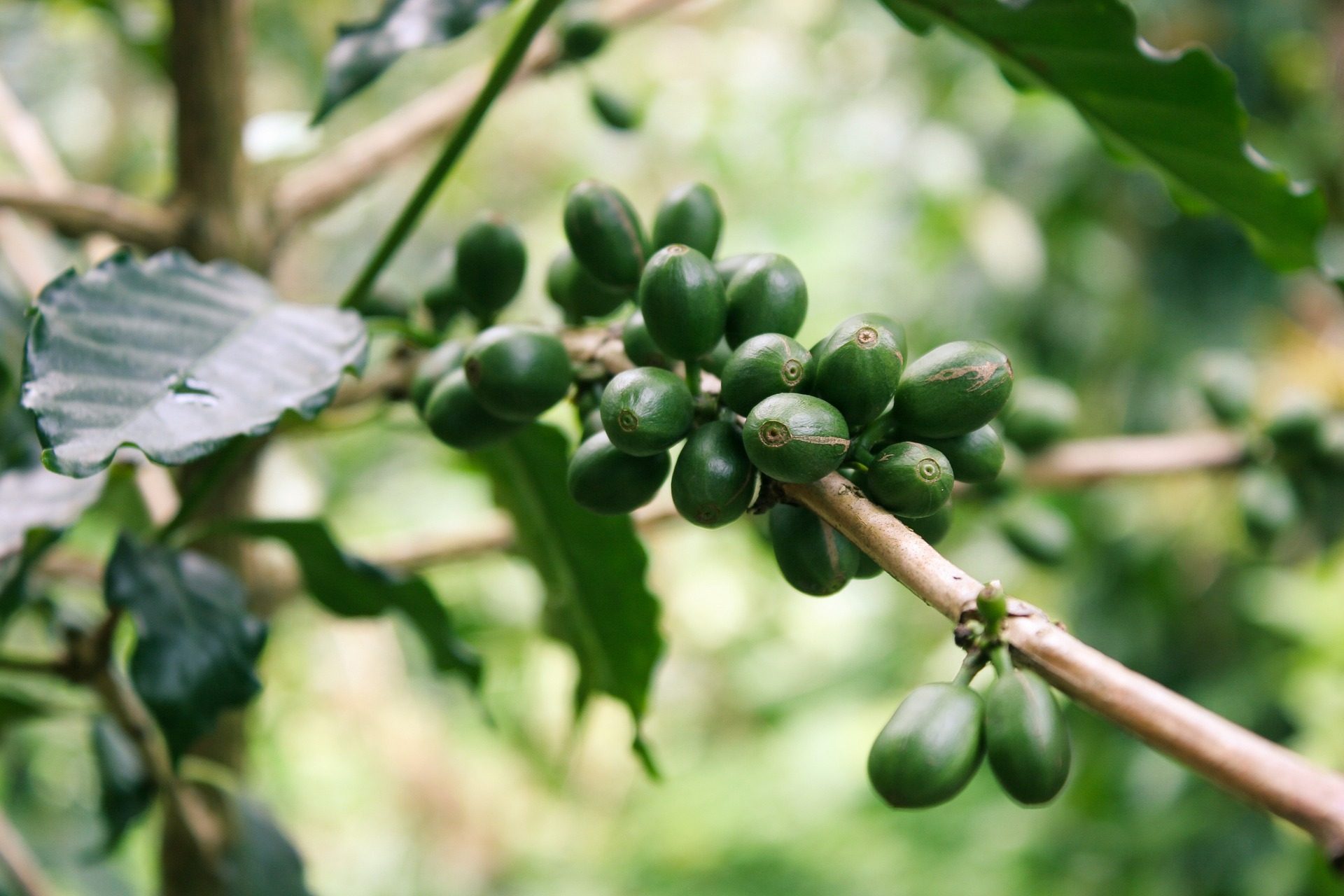
Finally, there is the coffee, the most famous drink in Rwandan cuisine food. Rwandan coffee, grown on the high terraces and washed at the village stations, has become one of the most celebrated beverages of Africa, and a cup at dawn in the mountains is a memory that stays with every visitor. The milk of the highlands completes it, and together they are the two drinks of the thousand hills.
At the great celebrations, Rwandan cuisine food carries the meaning. The cow is the feast of the kings: the whole animal roasted over the open fire, the meat shared by the community in the order of respect. The banana beer is passed with the drums, and the millet dough is pounded by the young men while the elders speak. To be invited to such a feast is to be given the highest honour of the hill.
At the cultural villages such as Iby’Iwacu, meanwhile, hosts offer a taste of these ceremonial tables: the roasted banana, the milk gourd, the honey of the volcano hives. The sharing of food is the ancient door of Rwandan friendship, and the villages open it wide.
The honey of the highland forests, however, deserves its own mention. Gathered from the hives set in the trees, it is sold in the jars of the markets and spooned over the porridge of the mornings. It is the sweet of the volcano country, and it carries the scent of the flowering hills.
In addition, Rwandan cuisine food lives in the markets, the true kitchens of the public. In the covered halls of the towns and the open squares of the villages, the sacks of beans, the pyramids of bananas, the baskets of greens and the jars of honey and milk are laid out for the day, and the morning light finds the colours that no photograph fully keeps. Walking a market in Rwanda is a lesson in the wealth of the hills, a wealth that runs entirely on the daily harvest.
What’s more, the market people know their food and are happy to teach it. Ask about the beans and you will hear the names of the varieties; ask about the bananas and you will be told which one is for cooking, which for beer and which for the table. The women of the stalls are generous with the samples, and a slow hour between the aisles is a meal in itself, taken in conversation.
For the visitor, the markets also open the door to the street kitchens: the porridge stands of the morning, the brochette grills of the evening, the fried plantain and the roasted maize of the afternoon. Nothing about the food of Rwanda is hidden from the road, and the best guide to the country is often the smoke of its kitchens.
The route of a safari is a route of meals: the packed breakfast taken at the trailhead before a gorilla trek in the north, the lunch of beans and rice in the high valleys, the dinner of fish at the lakeside. The food of the road is simple, honest and exactly what the hills provide that day.
For the longer journey, moreover, the table of Rwanda varies with the geography: the cheese and butter of the west, the greens of the central plateau, the fried fish of the lake towns. A traveller who lets the regions feed them will leave with a map of the country written in flavours.
At the end of a good meal in Rwanda you understand why the country earned the name land of a thousand hills: the table carries every hill. The beans of today, the banana of the morning, the milk of the cows, the fire of the wide countryside: the food is not one dish, it is the whole land eaten together.
Share the table with the villages, the banana of the north and the lake fish of the west, and share the greeting of the country. Eat slowly, keep the flavours, and let Rwandan cuisine food be the host the hills are famous for.
For food festivals and local dining events, check the calendar of Rwanda’s official tourism board. Let our team arrange your permits, your transfers and your tables across the gorilla and culture safari, so that the heat of Rwanda, the pot and the fire, becomes part of your whole holiday.