Gorilla Permits Rwanda — 6 Years of Trusted Service
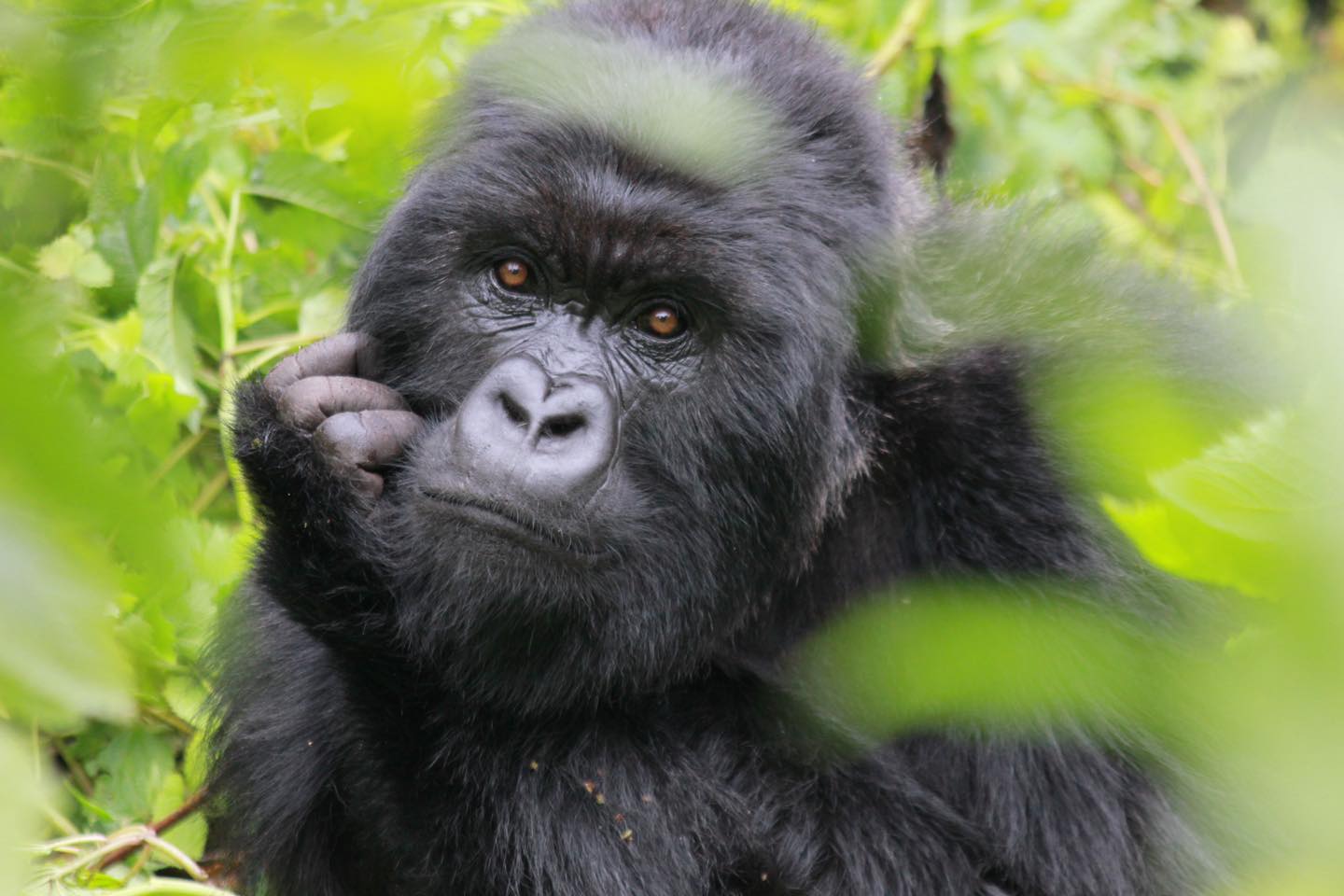
Rwanda vs Uganda gorilla trekking sparks more debate than almost any other question in African travel. Both countries deliver the same extraordinary core experience: tracking wild mountain gorillas through misty forests. You spend a life-changing hour in their presence. They differ meaningfully in cost, travel logistics, terrain, accommodation, and the shape of the surrounding trip.
In 2026, Rwanda’s permit costs US$1,500 and Uganda’s roughly US$800. The price gap is bigger than ever. Yet Rwanda remains the top choice for many travellers, including repeat visitors. This guide breaks down every difference honestly, so you can choose the country that genuinely fits your budget, your fitness, and your travel style.
Both destinations rest on the same conservation miracle: tourism money brought the gorillas back from the edge of extinction. Whichever you choose, your permit money funds rangers, anti-poaching patrols, and community programmes. You cannot make a wrong choice morally, only a wrong choice for your own itinerary. With that reassurance, let’s get into the details that matter.
The permit is the single biggest cost and the biggest difference. The Rwanda Development Board sets the official gorilla permit at US$1,500 per person, year-round, for Volcanoes National Park. The Uganda Wildlife Authority charges US$800 for Bwindi Impenetrable National Park, and the same rate applies to Mgahinga Gorilla National Park. For a family of four, that is a US$2,800 difference before you have booked a single hotel room.
However, the headline gap narrows once you add everything else in. Uganda’s main gorilla parks sit 8-10 hours by road from Entebbe international airport, which means extra nights of accommodation, a larger safari vehicle, and more travel time. Rwanda’s Volcanoes National Park is just 2-3 hours from Kigali’s international airport – frequently the difference of US$500-1,000 in ground costs, not to mention two full days of holiday time. When the full package is tallied, Rwanda’s premium shrinks substantially. For current pricing on the Rwandan side, check our gorilla permit costs page.
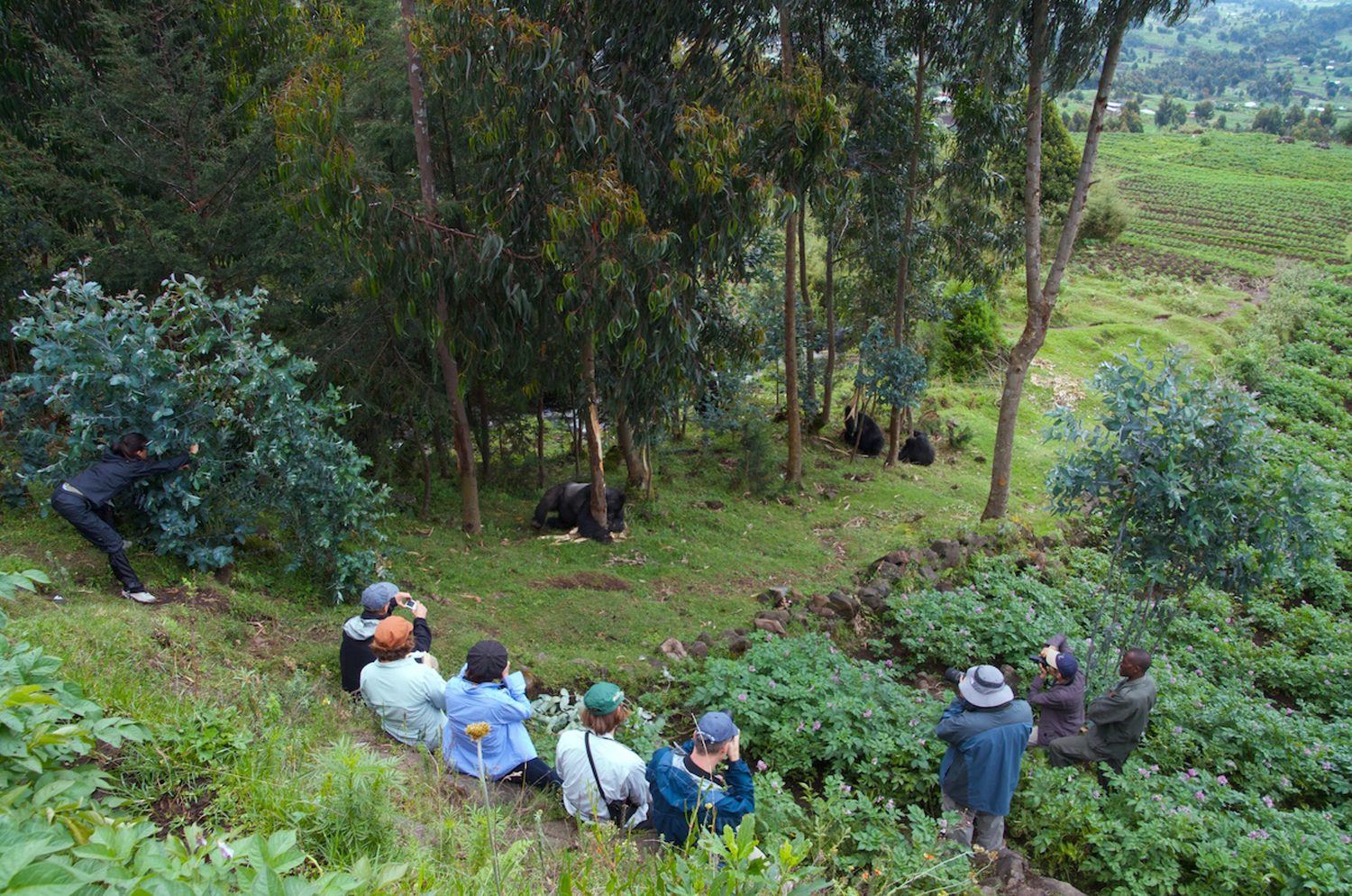
What the permit includes is nearly identical in both countries: a briefing, a guided trek with armed rangers, and exactly one hour in the presence of a habituated gorilla family. Uganda adds value in one respect. With a cheaper permit and a longer trek, the cost per minute of rainforest adventure is significantly lower for hikers. Rwanda counters with certainty: its permits are allocated with surgical precision, and the shorter trek window means your hour is almost never compromised by a trail that ate the day.
In the Rwanda vs Uganda gorilla debate, the permit is only the opening move. The full Rwanda vs Uganda gorilla comparison must add flights, lodges, and transfers. For a short trip, the numbers usually favour Rwanda. For a long overland tour, Uganda often comes out ahead.
This is where the two countries differ most dramatically. Flying into Kigali, you can be in your Musanze lodge within three hours of landing. The volcanoes sit on the horizon as you arrive, and a trek is often possible the next morning. Uganda requires either an internal flight from Entebbe to Kihihi or Kisoro, or a long road transfer. Expect 8-10 hours on winding mountain roads to Bwindi, frequently a full day of driving.
Rwanda’s roads are famously well-maintained, and the drive to the park itself is a scenic highlight through terraced hillsides and banana groves. In practical terms, Rwanda fits a gorilla trek into a long weekend or a short mid-week holiday; Uganda realistically needs five or more days, and that extra time costs money. For time-poor travellers, this difference alone usually decides the question.
It is also worth weighing the entry experience. Kigali’s airport is modern, efficient, and visa-friendly. Rwanda’s credit-card and mobile-money infrastructure is among the best in Africa, so your whole trip can run paperless. Uganda’s international entry at Entebbe is straightforward too, but connecting onward adds a layer of complexity. Your safari vehicle needs to be in the right place, and any flight delay ripples through an 8-10 hour transfer. Travellers doing a three-night gorilla stopover overwhelmingly choose Rwanda. Travellers on a three-week East African overland circuit naturally end up in Uganda anyway.
Both countries share the same habituated mountain gorilla population and the same one-hour viewing rule, but the trekking is noticeably different. In Rwanda’s Volcanoes National Park, the terrain is generally more open. Bamboo and Hagenia forest cover volcanic slopes, and the trails are steep but mostly passable. You also get a better chance of a short, easy trek. The park runs a smooth, well-organised daily operation with a briefing, porters, and strict group allocation.
Uganda’s Bwindi, by contrast, is a dense, ancient rainforest of enormous trees and thick undergrowth. Brutally steep ridges make the trek genuinely wilder and more challenging. It can easily take the better part of a day. Many travellers prefer Bwindi precisely for this: the sense of exploration is greater, the forest is more dramatic, and the moment of arrival feels harder won. If you have mobility concerns, are an older traveller, or simply prefer comfort, Rwanda is the gentler choice.
Group sizes and the viewing experience are nearly identical: eight trekkers per family in both countries, one hour of viewing, strict distance rules. The daily routines differ slightly – Rwanda briefs its trekkers at the park headquarters with excellent facilities, while Bwindi’s briefings happen at forest-edge trailheads that feel more like an expedition departure. Porters are available and encouraged in both, and the tipping culture is the same; your porter’s income in either country is a genuine lifeline for the village economies around the parks.
Rwanda’s gorillas live on the flanks of the Virunga Volcanoes. These extinct cones rise to over 4,500 metres. They are often dusted with mist at dawn and visible from your lodge balcony. The setting is cinematic and compact: golden bamboo forests, alpine meadows, and the blue mass of the range. Combined with the Twin Lakes and the town of Musanze, it feels like a highland resort rather than a frontier.
Bwindi’s setting is entirely different – a vast, ancient rainforest draped over steep hills, mysterious and primeval, with rivers and gorges hidden under the canopy. Views are less sweeping (the forest swallows you), but the immersion is total. Travellers who love lush, dramatic wilderness often fall for Bwindi instantly; travellers who want postcard volcano panoramas should pick Rwanda.
Rwanda’s Volcanoes National Park sits high on the Virunga Massif. Its climate is crisp and alpine: cool mornings near 10°C and pleasant afternoons around 20-22°C. Rain arrives in short, sharp bursts. The two dry seasons, June to September and December to February, are reliable trekking windows. The park is compact, so forecasts are easy to read and the operation runs on schedule almost every day of the year.
Bwindi is wetter and more temperamental. Its name means impenetrable, and it rains somewhere in the forest on most days, in every season. The upside is that Bwindi’s gorillas tolerate drizzle and trekking runs year-round. The downside is muddier conditions and a higher chance of a long, soggy climb. Travellers who hate wet boots should factor this in. For everyone else, the forest’s lushness is precisely what makes Bwindi magical. In both countries, the dry months are the best months, and the wet months reward you with emptier trails and better prices.
Rwanda has leaned hard into high-end tourism. The lodge scene around Volcanoes National Park is among the finest in Africa. Bisate Lodge, Singita Kwitonda, and One&Only Gorilla’s Nest offer architectural wow factor, world-class dining, and volcano views, at luxury prices. Excellent mid-range options also ring Musanze, so Rwanda wins for travellers who want a premium, polished base.
Uganda offers a wider price spread. At Bwindi you will find luxury lodges too, but also a healthy selection of solid mid-range hotels and genuine budget options, including community camps and backpacker-friendly guesthouses – something Rwanda’s park gateway largely lacks. Budget-conscious trekkers who accept simpler lodgings can stretch their money much further in Uganda, and the gorilla experience itself is identical once the hiking begins.
There is a broader point about the shape of each trip. Rwanda’s model is lodge-and-trek: a short transfer, a comfortable base, the trek, and a smooth return. It suits travellers who want the gorillas as the centrepiece of a polished holiday. Uganda’s model is expedition-and-circuit: rougher roads, longer days, wilder nights, and a trip that feels like an adventure even before the gorillas appear. Neither is better. They are different experiences, and the right one depends on the holiday you have in mind.
The surrounding itinerary matters as much as the trek itself. Rwanda is compact. A classic one-to-two-week loop can cover Volcanoes National Park, an Akagera safari, Nyungwe’s rainforest, and Lake Kivu’s beaches, all with short drives between them. Uganda, in contrast, pairs its gorillas with tree-climbing lions in Queen Elizabeth National Park. It also offers chimpanzee tracking in Kibale Forest and the great Murchison Falls. The result is a bigger, wilder circuit that rewards travellers with more time.
Both countries also offer gorilla habituation experiences, where you spend up to four hours with a family during their habituation process – but Rwanda’s is pricier and more exclusive. If you want gorillas plus a classic East African safari circuit with more wildlife variety, Uganda’s parks (often combined with Kenya or Tanzania) are a natural fit. If you want maximum experiences in minimum kilometres, Rwanda wins outright. Our complete Rwanda gorilla trekking guide covers the full Rwandan picture.
Rwanda is arguably the easiest country in Africa to travel in. Citizens of most countries receive a visa on arrival or an e-visa in advance. The roads are excellent, and the police are professional. Violent crime against tourists is virtually unheard of, and the country consistently ranks among the safest destinations in Africa. English and French are both widely spoken, US dollars are accepted nearly everywhere, and the currency is easy to manage. There is no land border to cross for a Volcanoes trek, no internal flight to catch, and no malaria medication debate beyond the standard prescription.
Uganda is safe and welcoming too, but it requires more care and planning. Expect an internal flight or a long road transfer to Bwindi, cash for park fees, and a slightly less predictable road network in the wet season. Both countries require a yellow fever certificate on arrival. Both are best visited with a licensed operator who handles permits, transport, and logistics. The marginal difference is that in Rwanda those logistics are simpler, which is why the country suits first-time Africa travellers so well.
After weighing everything – cost, time, terrain, accommodation, and itinerary – here is the honest bottom line.
The Rwanda vs Uganda gorilla decision rewards honesty about your travel style. A first safari, a honeymoon, or a long weekend points to Rwanda. A big East African circuit, a tight budget, or a taste for wilderness points to Uganda. Both answers are right when they fit your plan.
The best year to visit either country is the year you can actually go. Both deliver the same unforgettable hour with the gorillas, and neither will disappoint. For most people, the Rwanda vs Uganda gorilla choice comes down to volcanoes versus rainforest, and both are spectacular. If the decision still feels tight, check the best time to visit Rwanda and let the season, not the spreadsheet, tip the balance.
Whichever country you choose, the planning rules are the same: book the permit first, then build the trip around it. Permits for peak seasons move fast in both countries, and licensed operators can confirm availability instantly. Our 3-day Rwanda gorilla safari is the definitive short trip, with the trek, transfers, and lodging handled end to end. Longer versions add the golden monkeys of the bamboo forest and the lakes of the west.
Our recommendation in 2026: if the budget stretch is comfortable, Rwanda delivers a more refined, easier, and time-efficient experience that justifies its premium for most first-time visitors. If savings matter or you crave a wilder trek, Uganda’s Bwindi will reward you deeply. For official visitor information, start with the Visit Rwanda tourism board. Either way, contact our team with your dates and we will secure your permits and arrange the details – then start training for the hills.