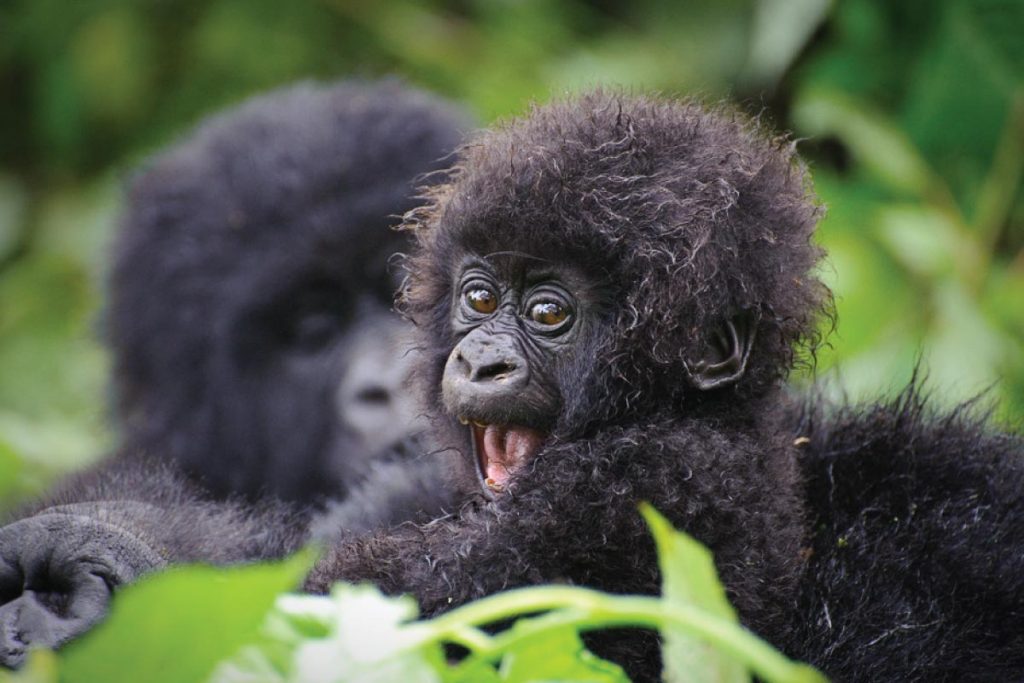
Gorilla Permits Rwanda — 6 Years of Trusted Service
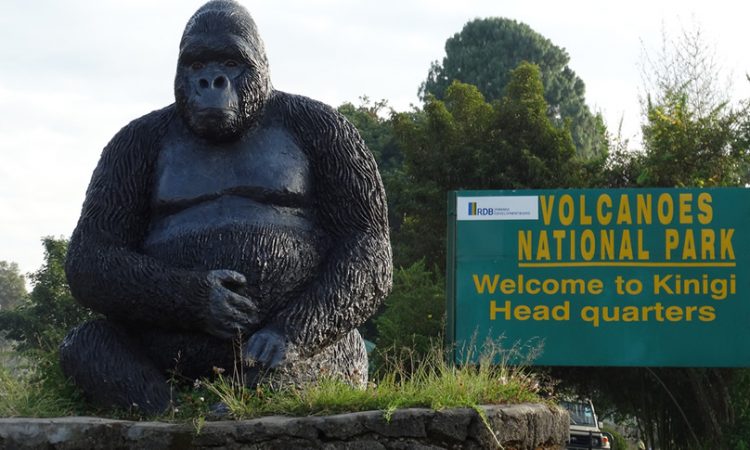
Every year, tens of thousands of travellers fly to Rwanda for one reason above all: to meet the mountain gorillas of the Virunga Volcanoes face to face. But once the flight is booked and the dream is set, the question every visitor asks is the same: what is the best time to visit Rwanda? The honest answer is that gorilla trekking in Rwanda runs all year round, and every month offers a slightly different version of the experience, from sun-drenched dry-season mornings to the lush, misty rainforest of the rainy months.
The short answer for most first-time visitors is that the dry seasons – June to September and December to February – offer the most comfortable trekking conditions, the driest trails, and the most predictable weather. But the best time depends heavily on your priorities: your budget, your fitness, how much you mind a little mud, whether you want to combine gorillas with a wider safari in Akagera or chimpanzee tracking in Nyungwe, and how far ahead you can plan. This guide breaks down Rwanda’s two dry seasons and two wet seasons month by month so you can choose the window that fits your trip perfectly.
Sitting just south of the equator in East Africa’s Great Rift Valley, Rwanda has a mild, high-altitude climate with no true summer or winter. Temperatures are remarkably stable throughout the year, driven by altitude rather than season: expect 16-27°C (60-80°F) during the day in most of the country, with noticeably cooler nights in the highlands. What actually changes through the year is rainfall, and the year divides into four distinct windows: the long dry season (June to September), a short rainy season (October to November), the short dry season (December to February), and the long rainy season (March to May).
Because Volcanoes National Park sits between 2,500 and 4,500 metres above sea level, conditions on a trek can swing from warm sunshine to cold drizzle within an hour, no matter the season. The park’s steep slopes and dense bamboo forest mean rain can fall on one side of a ridge while the other stays dry. In practice, treks run every single day of the year – rain never cancels a trek in Rwanda – but the season strongly influences how muddy, how long, and how tiring your trek will be.
If you want the driest possible trails, the clearest views, and the most reliable trekking conditions, the best time to visit Rwanda for most first-timers is between June and September. During these months the forest thins slightly under weeks of steady sunshine, paths stay firm underfoot, and the vegetation between you and the gorillas is less dense, which makes the moment of meeting a family all the more dramatic. Waterfalls of morning mist still cling to the volcano slopes, but by mid-morning the sky usually clears into crisp blue.
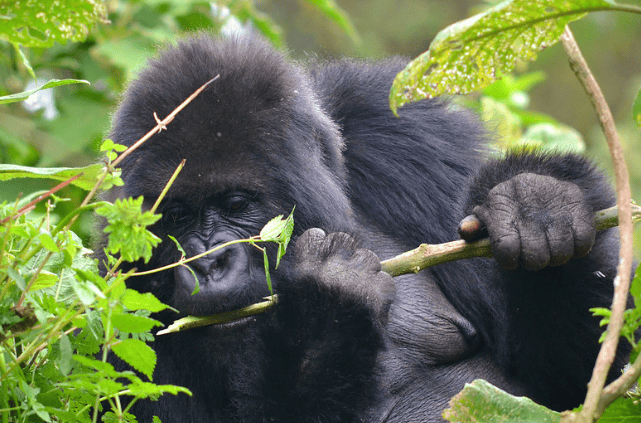
August and September also bring one of Rwanda’s most famous events: Kwita Izina, the annual gorilla naming ceremony held at the foot of Volcanoes National Park. Each newly born gorilla is given a name by international guests and local community members, celebrating the conservation success that has rebuilt the population. Travel during the ceremony and you will also find the rest of the country in festive mood, with parades, concerts, and community celebrations around Musanze and beyond.
The long dry season is equally superb for the rest of a Rwanda safari. In Akagera National Park, vegetation thins and wildlife gathers around permanent water sources, so elephant, buffalo, giraffe, zebra, and even leopard sightings become more frequent and more photogenic. It is the best window of the year for a classic East African game drive – the perfect pairing with your gorilla trek.
December to February delivers the second dry window, and for many travellers it is the hidden gem of the Rwandan trekking calendar. If you are escaping a northern winter, this is a superb time to visit Rwanda: warm, sunny, and still green. The weather is warm and sunny, the forest is still relatively dry from the preceding weeks, and the trails through the park are in excellent shape. For those escaping a northern winter, January and February offer a genuinely comfortable tropical escape with long, golden hours of daylight.
There is one seasonal wrinkle: the two to three weeks around Christmas and New Year are among the busiest of the whole year, as international holidays align with ideal trekking weather. If you want the perfect conditions without the crowds, the sweet spot is early February, when the festive rush has gone, schools are back in session, and permit availability improves noticeably. The same window is excellent for combining a gorilla trek with golden monkey tracking and a lake getaway – or for ticking off both of Rwanda’s safari experiences in one trip.
October and November bring the short rains, but rainy season overstates it. For birdwatchers and photographers, in fact, this is the best time to visit Rwanda of the whole year. Typically the sky is clear through the morning, the trek runs normally, and an intense but brief shower rolls in during the afternoon before the sun reappears. The payoff is a rainforest at its most beautiful: deep emerald greens, flowering plants, and an explosion of birdlife as migratory species arrive from Europe and southern Africa.
This is also the season that many repeat visitors secretly prefer. Trails are quieter, lodges are more affordable, and the forest feels alive in a way the dry months cannot match. If you are a serious birdwatcher or wildlife photographer, or simply a traveller who would rather trade a little mud for solitude and atmosphere, October and November are among the most rewarding months of the year in the Virungas – and across the rest of the country.
March to May is Rwanda’s wettest period, and while the daily deluges keep most travellers away, the parks remain open and treks still run every morning. On a tight budget, this rainy window is actually the cheapest time to visit Rwanda, and the emptiest. This is the season of lowest demand, lowest lodge rates, and the most available permits – a genuine bargain window for budget-conscious travellers who do not mind working a little harder on the trail. The forest is at its most saturated, so expect mud, slippery slopes, and a longer, more physical trek.
There are real compensations. This is the quietest the park ever gets: you may have the trail, your group, and your guide almost to yourself. For photographers, the constant mist and saturated greens create an atmosphere you simply cannot capture in the dry season. And for chimpanzee tracking in Nyungwe National Park, the rainy months are actually the preferred window – fruiting trees are abundant and the chimps stay closer together, making them significantly easier to find.
If you are trying to pin down a specific date, here is how each month shapes up for trekking, weather, and crowds. Whichever month you are drawn to, keep this simple rule in mind: the best time to visit Rwanda is the season that matches your budget, fitness, and tolerance for mud.
Season shapes the trek as much as the gorillas’ movements do, and it is one more reason to choose your time to visit Rwanda deliberately. In the dry season, the steep volcanic slopes of Volcanoes National Park are at their most forgiving: trails are firm, vegetation thins, and treks typically run two to four hours each way, depending on where the family bedded down the night before. In the rainy months, the same slopes become slippery ribbons of mud, growth is dense, and you should plan for a slower, sweatier climb – occasionally five or more hours before you reach the family.
For older travellers, families with young children, and anyone with mobility concerns, the dry seasons are strongly recommended: the trek stays within reach and the risk of slips falls sharply. That said, porters are available year-round for roughly US$10-15 and are worth every dollar: they carry your daypack, steady you on steep sections, and are a major local income source. If your fitness is a worry, choose a dry-season date, train with some hill walking beforehand, and give yourself an extra day to acclimatise around Musanze.
Photographers should think about season too. Dry-season mornings offer clear light and sweeping views of the volcanoes, while wet-season mist produces moody, atmospheric shots of gorillas emerging from the fog. Gorillas themselves behave much the same year-round, though wet-season fur is fluffier and family groups often huddle in tighter, more dramatic formations during downpours.
Demand follows the seasons with absolute predictability. June through September is peak, with July and August the most competitive months; December’s festive weeks are almost as busy. By contrast, March to May is the quietest stretch of the year, and October to November sits happily in between. Lodge pricing mirrors demand – expect to pay substantially more for the same room in July than in April – while the permit itself is fixed at US$1,500 per person year-round, and gorilla permit costs are regulated by the Rwanda Development Board.
Because only 80 permits are issued per day for Volcanoes National Park, and because gorilla families can only be visited by small groups, dry-season permits genuinely sell out. The rule of thumb: book three to six months ahead for shoulder months, and six months to a year ahead for June to September or the festive period. If your dates are flexible, February and September offer the best blend of great weather and real availability – the quiet heart of the dry periods, before the crowds arrive and after they have left.
A Rwanda itinerary is rarely just gorillas. Up-to-date event dates and seasonal tips are published by Rwanda’s official tourism board, so it is worth checking their calendar when you plan. The seasons shape the wider country too: Akagera’s savannah is at its viewing best in the long dry season, chimpanzee tracking in Nyungwe is most productive in the rainy months, and Lake Kivu – with its beach resorts in Gisenyi, Kibuye, and Cyangugu – is a year-round destination that shines in dry-season sunshine, ideal for kayaking, swimming, and boat trips between the lakeshore villages. Many travellers pair their gorilla trek with two or three of these experiences on a single trip.

To get the most out of a combined itinerary, aim for a window of stable weather: June to September covers gorillas, golden monkeys, and an Akagera safari beautifully, while December to February adds the same stability with more comfortable lodge availability. Whenever you choose, leave yourself at least two full days around the park – one for the trek itself and one to recover, explore the Musanze craft markets, or visit the Dian Fossey memorial sites in the morning light.
One final seasonal note on Kwita Izina: the ceremony is held every year in early September, so if watching a baby gorilla receive its name is on your bucket list, aim for the first week of September and build your trip around it. Hotels in Musanze fill up quickly for that week, so secure your permit and lodging at the earliest opportunity – a task our team handles happily as part of any itinerary you plan with us.
If you can move freely, plan around the dry seasons: June to September for the classic, peak-season experience complete with Kwita Izina, or December to February for sunshine and slightly easier bookings. If your budget and tolerance for mud are the deciding factors, the rainy months reward you with near-empty trails and dramatically lower prices – just pack waterproof gear. Whichever window you choose, trekking is a year-round certainty, and the gorillas are always waiting.
Once you have picked your dates, lock in your permit before anything else, then build the trip around it. A 3-day Rwanda gorilla safari is the classic introduction, while longer itineraries add Akagera, Nyungwe, and Lake Kivu. Whatever your plan, review our gorilla trekking packing guide before you fly and contact our team to secure your permits and arrange the details.