Markets and Crafts of Rwanda: The Best Souvenirs

The markets of Rwanda are an assembly of the country. In the covered halls of the capital and in the open squares of the districts, the stalls hold the same generous palette: the green of the beans, the yellow of the banana, the red of the tomato, the white of the milk gourds, and then the baskets, the cloth, the wooden cattle and the glowing coffee beans that travellers carry home as the true treasure of the trip. To shop in Rwanda is to bring the hills into your luggage.

The Rwandan craft tradition is one of the quiet strengths of the country. Its roots run deep: the weaving of baskets was, for centuries, a household art passed down through the generations of the family, and it has been refined without interruption through the centuries. The famous agaseke, the lidded basket worked in the geometric patterns of the thousand hills, is an inheritance that predates the written records, and today the weavers have turned it into a gift prized around the world. The woodwork of the country gives the fine carved pieces, the jewellery brings the beads, and the sewing produces the brilliant printed cloth.

There is a particular sweetness in shopping in Rwanda because the money stays so close to home. Most of the craft is made by the cooperatives of the villages; many of the weavers are the mothers and grandmothers of the household, and the fair-trade arrangements of the institutions that buy the baskets return the entire margin to the hands that made them. To buy a Rwandan basket is not to buy a trinket; it is to support a family building its future on the same hill.

This guide will show you the best markets of the country, the crafts to seek, the honest way to buy and the souvenirs that speak for Rwanda, so that the only heavy baggage of the return journey is the joy carried home.

Basket Craft in the Markets of Rwanda: The Agaseke

Basket weaving is the soul of the Rwandan craft. The famous agaseke baskets, lidded and woven in the red, brown and cream of the local fibres, were a kind of document in the old society: the pattern could name the district, the family and the occasion, and the weaving itself was a discipline that Rwanda raised to an art and, in recent years, to an export.

Baskets fill the markets of Rwanda in every shade of the hills, and in the modern cooperative system the weaving of a single basket takes days. The fibres are cut, dried and dyed with the bark and the roots, and the weaver keeps her rhythm while the talk of the household goes round; the result is a basket that holds its shape for a lifetime, and the patterns that emerge are as much memory as decoration.

You can watch the weavers at their work in the craft villages and in the shops of the capital, and it is worth taking the time. The weaver will often pass you the needle and let you try a round of stitching, and if you try you will leave with both a basket and a story. It is among the most peaceful skills to watch in the world, and the craft keeps the rhythm of the country.

The baskets range from the small grain pot to the monumental wall rings, and the prices are set fairly by the cooperatives. To bring one home is to carry not only the object but the hands of the woman who made it, and the whole chain of the women’s cooperative that sent it out into the world.
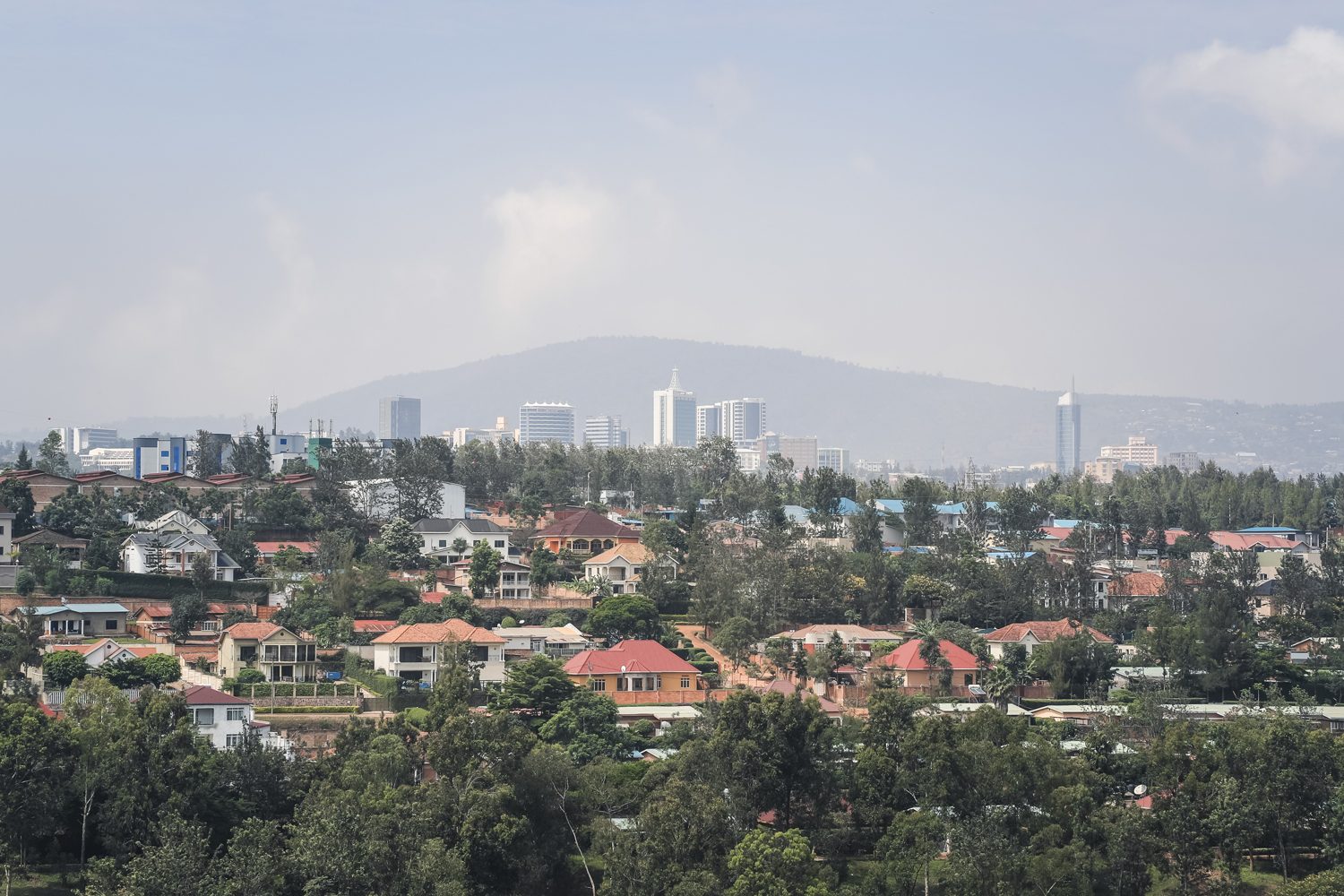
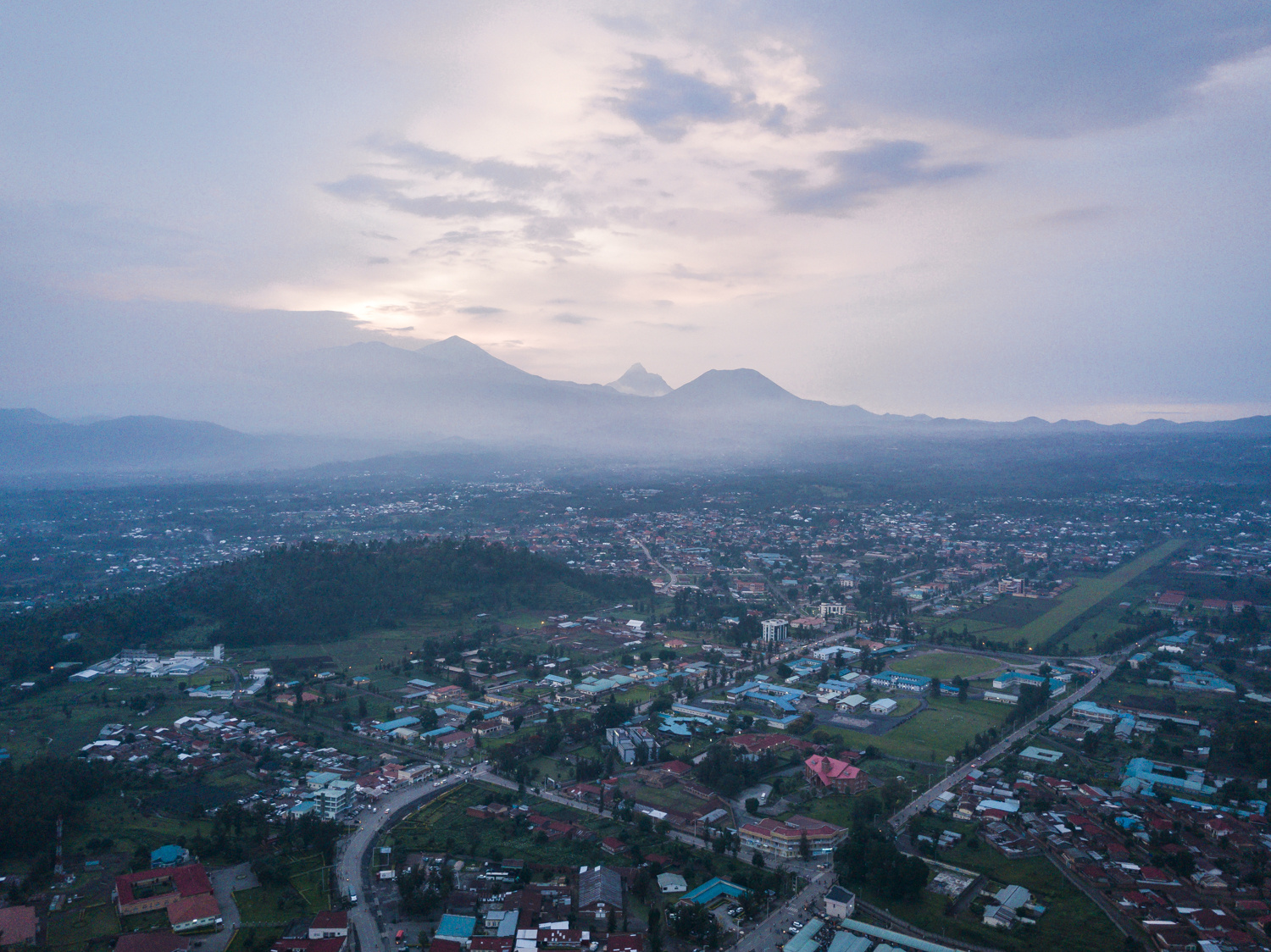
Kigali, the capital at the heart of the markets of Rwanda

The Best Markets of Rwanda

The great market of the capital is the craft market, a covered warren of stalls where all the crafts of the country are assembled: baskets wherever you turn, the colours of the kitenge, the wood carvings, the jewellery, the paintings and the drums. It is the finest single place to complete your treasury of Rwandan craft, and it doubles as a school; the official tourism board of Rwanda highlights the craft centres of the country for visitors planning a shopping day in its markets. The sellers are not pushy; the sellers are not pushy; they love to explain their objects, and an hour passed between the booths will teach you the geography of the country’s art.

In the towns of the districts the markets run to the schedule of the region, and no two markets in Rwanda keep the same rhythm: the market of the north on the midweek day, the Saturday market of the south, the great open stalls of the lake towns in the west. The district market is the raw one, where the craft is sold beside the vegetables and the families pass, and the language of the trade is Kinyarwanda first. Take a guide with you; the pleasure of the district market is the discovery rather than the bargain.

And at the cultural village of the north, the market is the continuation of the visit: the baskets, the cloth, the village-made jewellery and the honey, sold by the same families who performed the dance for you before. The gallery of the cultural village on the edge of the Volcanoes National Park is one of the sweetest shops in Rwanda, and the money goes directly into the fund of the village.

Coffee, Honey and Souvenirs From the Markets of Rwanda

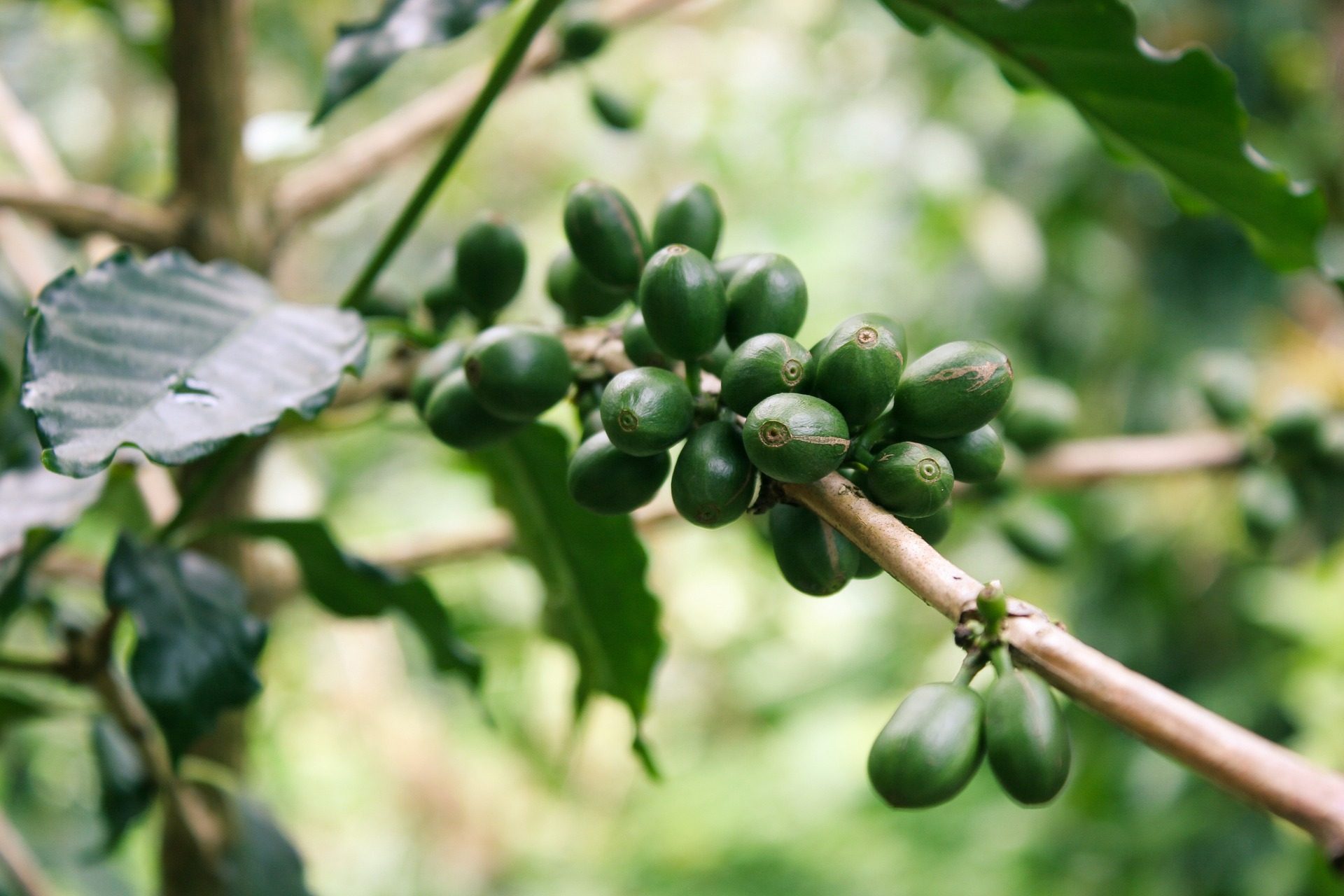
If you would like to bring a taste of Rwanda home from its markets, the two great gifts are the coffee and the honey. The Rwandan coffee, the single-origin grown on the high terraces and washed in the mountain streams, is sold roasted in the roasteries of Kigali and the marked cups, and a bag in your luggage is a memory that opens every morning. For the connoisseur the green beans are also sold, and the cooperatives in the hills will pack them for the journey.

And the honey. The honey of Rwanda is golden and intense, gathered from the hives placed in the trees of the highland forests, and its flavour is the taste of the flowering hills. The honey sold at the markets and the villages is raw and unfiltered, and a jar is the sweetest of all the memories.

Along the way the travellers also prize the carved stools, the drums of the villages and the printed kitenge of the local patterns, which the tailors of the town can turn into a shirt or a dress while you wait.
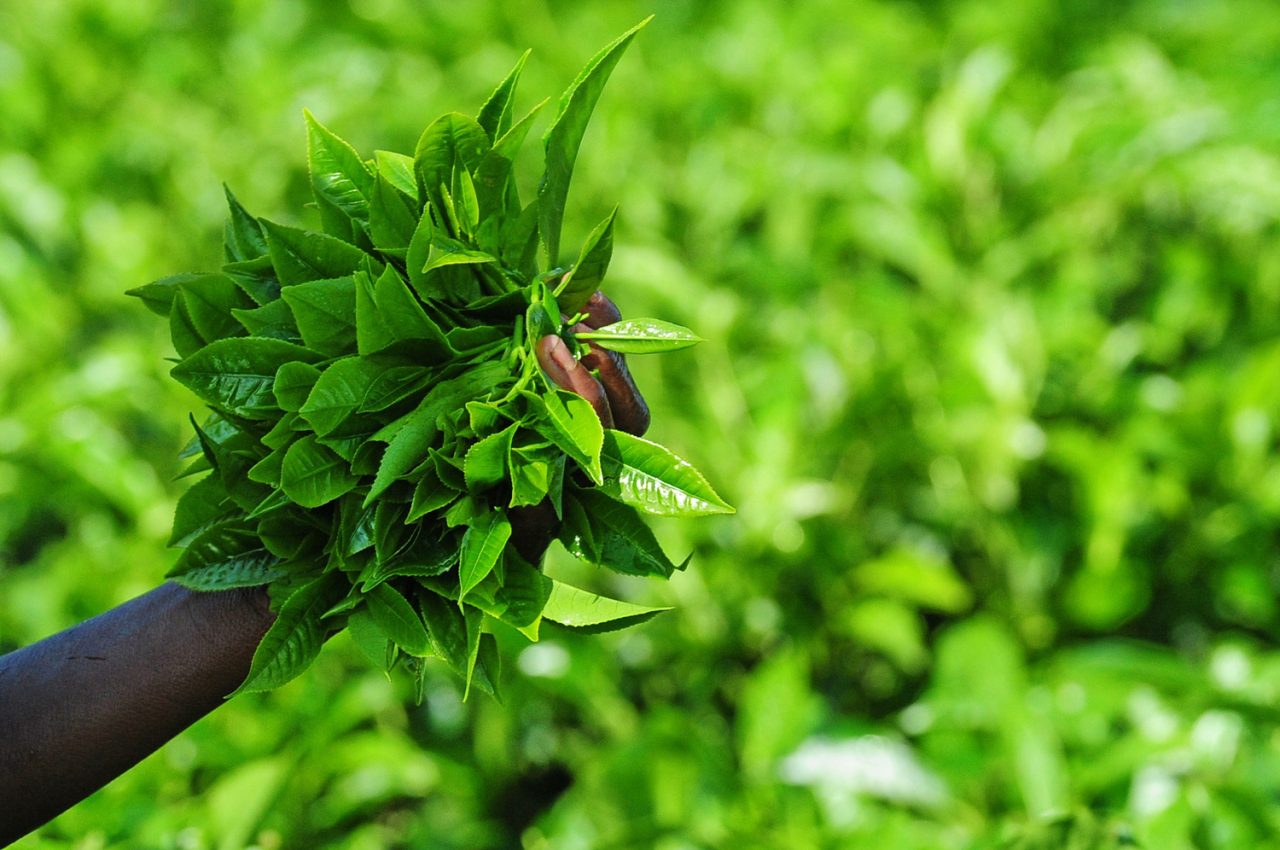
a cup of the hills: Rwandan tea

Wood, Stone and the Carved Cow

The woodcarving of Rwanda is a craft of the region. In the workshops of the towns and the small studios of the capital the sculptors work the mahogany and the hard woods into figures: the cow of the country with its long horns, the small head of the village elder, the polished egg and the walking stick of the chief. The carved cow is the most beloved of the souvenirs, because the cow is the soul of the Rwandan year and the cattle of the kingdom.

The art of stone is more austere but deep: the jewellery the women wear, the pendants of the volcanic rock, the beads of the hills. In the modern galleries of the capital the young painters work the volcanic sands and the canvas, and the contemporary art of Rwanda is among the most promising of East Africa.

A serious collector will know the annual crafts fair and the district stalls; but the small pieces of a journey, the bracelet, the carved cow, the printed cloth, form a whole panorama of the country’s craft and character, and every piece carries the name of the hill where it was born.

How to Buy Fairly and Well

Fair dealing is what keeps the markets of Rwanda friendly for everyone, and the honest buyer knows the rules of the trade. The first is to deal fairly: the cooperative sets a fair price for the craft, and in the district market the small dance of the bargain is part of the tradition, carried with grace on both sides. Make the smile of the deal and take the time; nobody in a Rwandan stall is trying to rush a guest.

The second is to buy from the people who make it. The cooperatives label their craft and return the margins to the makers, and the visitor who chooses that label buys twice: the object and the family. Look for the cooperative name, ask about the weaver, and the answers are almost always a happy story.

The third is the packing. The baskets and the carvings travel well when they are rolled in the sisal and the cloth, and the market sellers are masters of it; ask for the packing and nothing of the shapes will be lost in the hold of the plane.

The produce of the women is the hidden treasure of the Rwandan market, and the honest purchase of a basket, a cloth or a pot is money that builds a classroom, adds a cow to a herd or raises the roof over a widow’s kitchen. It is the trade of the country’s dignity, and the visitor is the lucky guest in it.

The Markets of Rwanda in the Rhythm of the Day

The markets of Rwanda are the morning ritual of the country. The sun wakes the weavers and the traders, the first crowds move with the sacks, and by the time the coffee of the district is poured the stalls are at the full of the day. Visitors catch the craft in those hours at the best light, and the whole square lives with the energy of the hills.

In the craft villages the objects are presented not as stock but as a choreography: the weaver teaches, the dancer calls, the drum sets the rhythm, and the sale is the last and smallest scene. To buy in Rwanda is to buy inside the music.

For the itinerary this is a matter of planning: the market of the city, the village fair and the open square of the west each has its day, and the weeks of a six-day gorilla and Lake Kivu journey can be arranged to catch them all, from the drums of the north to the craft stalls of the lake towns.

Practical Notes for Shopping the Markets of Rwanda

  • The bigger the craft, the deeper the bag; ask the seller to pack the work carefully.
  • Small cash is the language of the district markets, so carry the loose change.
  • Baskets, drums and coffee are the easiest to carry; large paintings are better shipped.
  • The cooperatives of the villages carry the fair-trade labels; ask your guide to show you.
  • Ask before photographing the weavers at work; a small purchase is often a welcome introduction.

The rules above are simply the good manners of the guest, and the whole of Rwanda understands, from the weaver to the trader, that a guest who shops honestly is a guest the whole community wishes to see return.

Bringing the Crafts Into Your Journey

The smart traveller makes the markets of Rwanda part of the route rather than a last-minute errand. The woven baskets travel easily, the coffee keeps its freshness for months, and the cloth of the country is light in the bag, so the crafts can be gathered gradually, one market at a time, as the safari moves from the forests of the north to the lakes and valleys of the west and south.

It is also worth knowing that many of the finest pieces never reach the capital. The deep baskets of the south, the drums of the central hills and the printed cloth of the western workshops are best found in their own districts, where the craft is still lived rather than displayed. A route that includes the villages and the district markets, such as a four-day gorilla and culture itinerary, will gather a more honest collection than any single shop in the city.

And if the object of your heart is too large or too fragile, the sellers know the shippers and the postal services; a painting or a large basket can follow you home by air and arrive, carefully wrapped, some weeks after you do. The memory, however, travels with you from the moment of the purchase.

The Return Gift

The cargo of the Rwandan market is never only the objects; it is the image of the hands. The basket on the shelf will hold the memory of the weavers of the hill; the drum on the mantel will beat for months; and the jar of honey will taste, every morning, of the mountain grasslands where you watched the sun come up between the hives.

They are the gifts of the country, and to buy them from the markets of Rwanda is to take home a promise that the hills will remember you; a piece of the markets of Rwanda is the truest souvenir of the trip. Give the craft a place of honour in your house, and give the market its introduction in your travel diary.

When planning the perfect blend of safari and culture, let our team include the market sessions, the cooperative visits and the dancing villages alongside your gorilla permits and lodges, so that the souvenir of your return is the whole country.
A Taste of Rwanda: The Complete Food Guide

There is a perfume of banana leaves and charcoal that marks the Rwandan evening, rising from food stalls and family kitchens along the roads. Rwandan cuisine is not complicated, and that is precisely its charm: it is built from what the hills give generously, prepared with care and eaten slowly, together. For the traveller who takes the time to eat well, Rwandan cuisine food offers a quiet education in the tastes of the Great Lakes, and the kilometres between the gorilla forest and the lake towns are rich with table opportunities.

The foundation of Rwandan cuisine food is the starch of the hills: beans, plantains, cassava, maize, sweet potato and, above all, the many forms of the cooking banana. The cooking banana is the most loved, boiled and pounded, served as a sweet companion to sauces and eaten at every meal. Around that base gather the vegetables of the valley, the sorghum and millet of the high fields, and the proteins: grilled goat, fish from the lakes and the simple milk and butter of the great cattle herds.

Hospitality in Rwanda is generous, and nobody hosts a traveller without trying to feed them well. The customs of the table still carry the tastes of the old institutions: the milk that was the royal drink, the banana beer passed around the gourd, the meal shared by the whole family seated around the pot. To eat in Rwanda is to enter into the country’s oldest conversation.

This Rwandan cuisine food guide travels through the kitchen, plate by plate: the dishes you will meet, the drinks you will taste, the food traditions of the ceremonies and the practical way to eat well on a best of Rwanda eight-day safari that takes you from the capital to the parks and lakes.

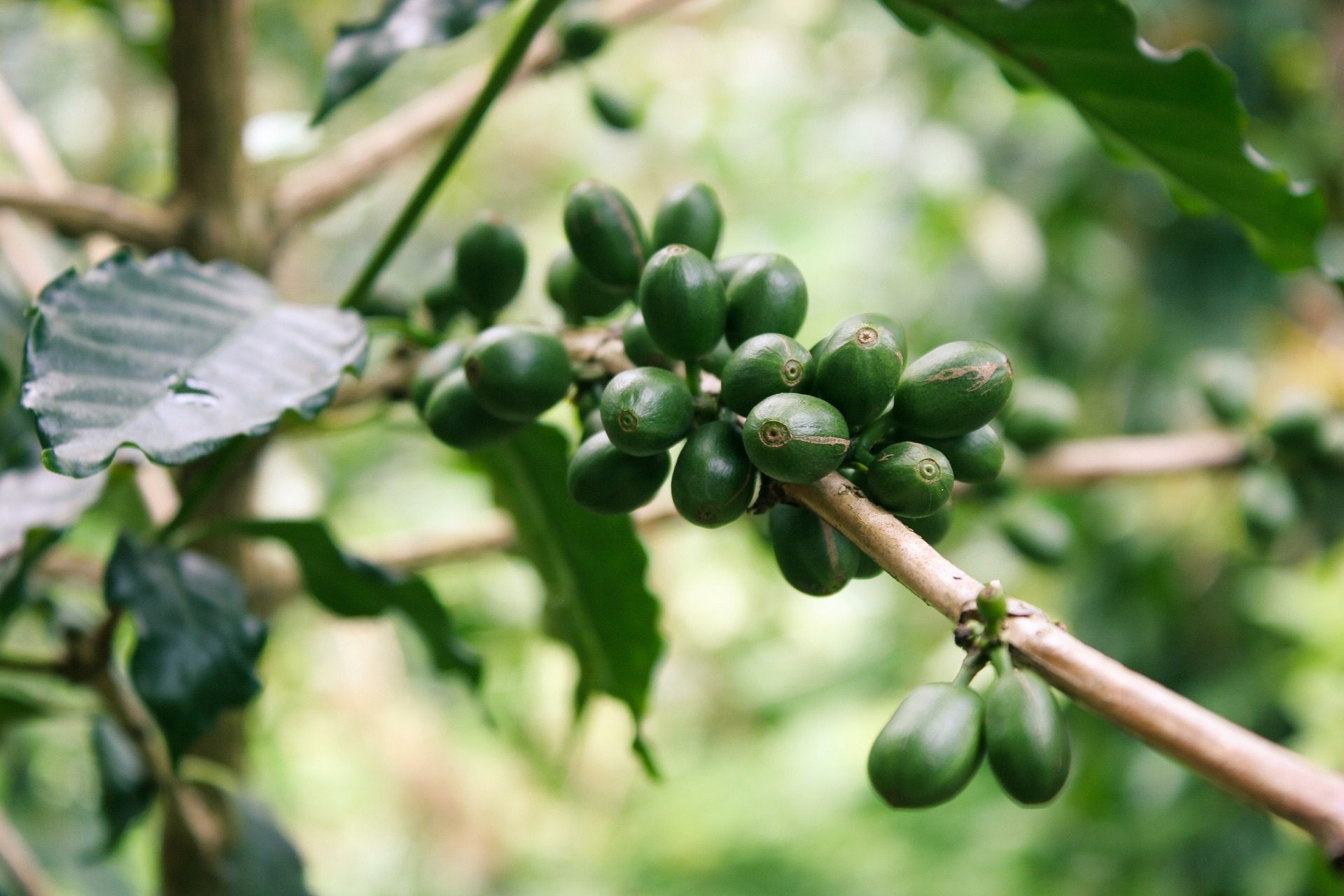
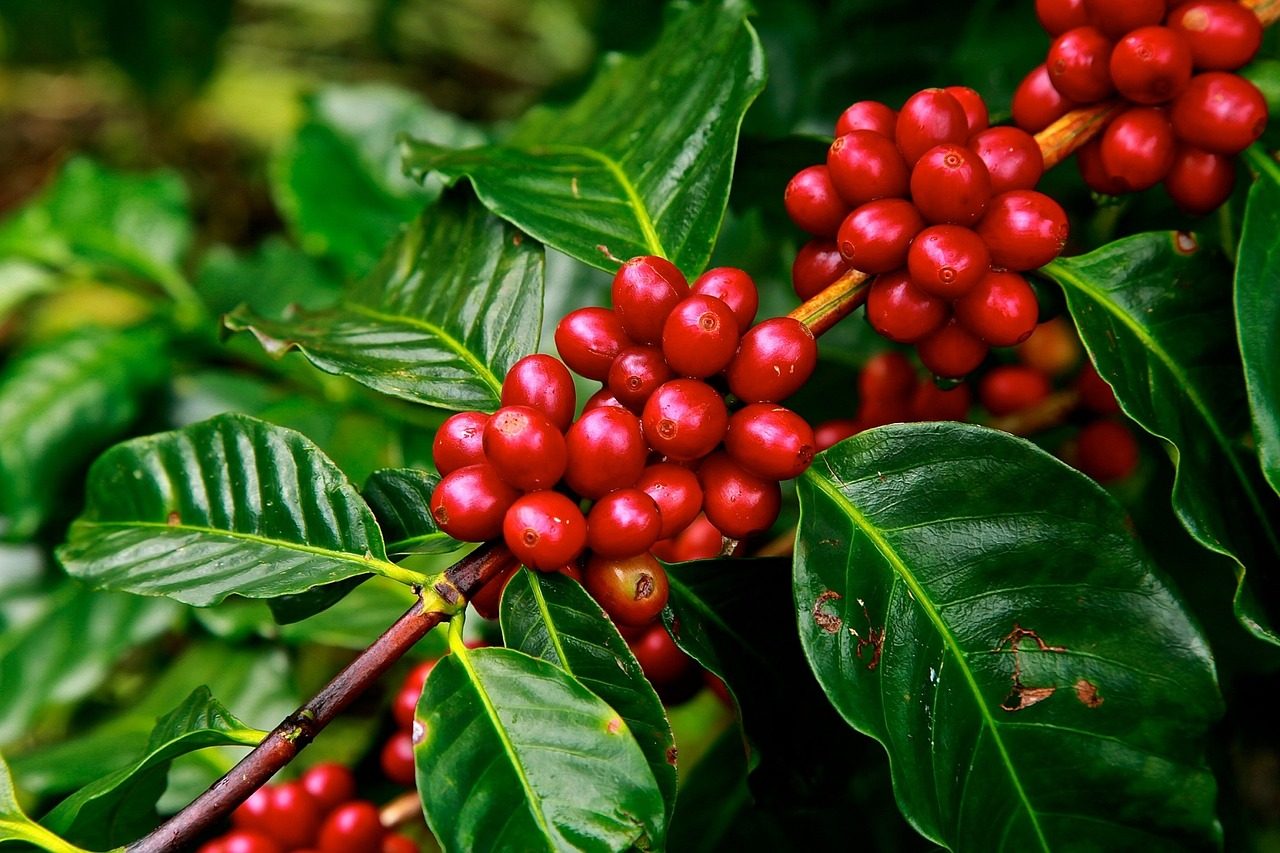
Ripe Rwandan coffee cherries, a signature of the cuisine food culture

Rwandan Cuisine: The Staple Dishes of the Hills

The daily meal of Rwandan cuisine food turns on the bean. Cooks boil it simply with onion and salt, sometimes enriching it with coconut or peanut, and pour its broth over everything else. Around the bean sits isombe, a dish of crushed cassava or banana leaves cooked into a smooth green paste with aubergine and peanut, and it is one of the tastes most visitors remember longest.

Then come the bananas. The cooking banana and the sweet banana both belong to the Rwandan table, and a dish of steamed plantains, sliced and served beside beans or a stew, is one of the simplest and best of African plates. The plantain is also fried or roasted and eaten as a side dish in the evenings, while the sweet banana, eaten fresh between meals, is the gentle dessert of the hill.

For the carbohydrate of the highlands, cooks grind millet, sorghum and maize into full porridges, and the morning pot of porridge is the breakfast of the countryside. There is also the dense dough of the flour, pounded and served as the central food of many households, into which the stew is dipped by hand around the family table.

In addition, there is the sweet potato, boiled or roasted over the coals, the eternal street food of the morning markets. The menu changes with the seasons, but the bowl is always full and the care of the women who cook it is the soul of the whole country.

Rwandan Cuisine: The Great Dishes to Try

Brochettes, for example, are the flagship of Rwandan cuisine food: skewered pieces of meat, usually goat, sometimes beef or chicken, grilled over charcoal and served with hot sauce and fried plantains in the twilight. The lean goat with the salt is the classic taste, and the evenings at the little bars and stalls where skewers sizzle over charcoal are one of the great rituals of the Rwandan night.

For a fuller plate, the signature of the home is the brilliant green paste of the greens, cooked slowly with peanut and onion, served beside the bean stew and the millet dough. The beef stew, the whole goat roasted over the pit for the great feasts, and the fish from the lakes, cooked with the herbs of the shore, all fill the plate when the family is celebrating.

The high valleys add their own specialities: the pea soup, the maize of the mountains, the cooking banana with peanut sauce. Around the shores of Lake Kivu, cooks grill freshly caught fish with herbs and serve it with plantains, and a fish at the water’s edge is one of the small great events of the western route.

Vegetables take many forms: the cabbage of the mid-country, the spinach of the valleys, the greens of the garden with sesame. The Rwandan kitchen has no long list of written recipes, but the simple range of the garden is turned, day after day, into the deep taste of the hills.

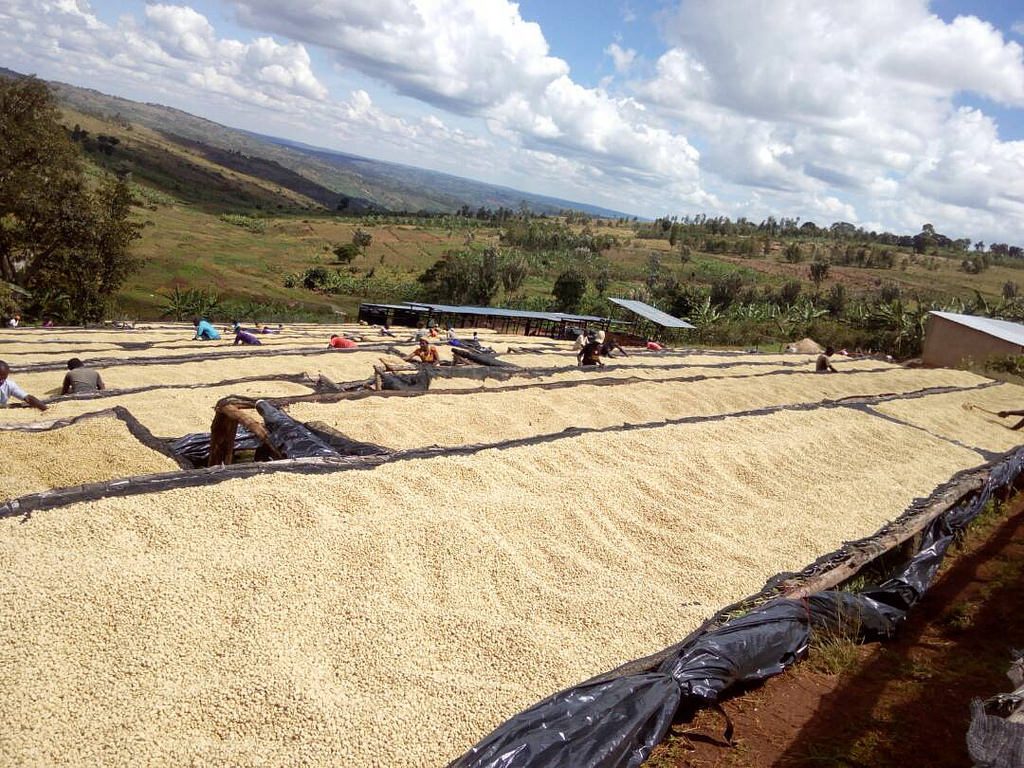
green coffee beans ready for roasting

The Dairy of the Highlands

The milk of Rwanda flows richly. Meanwhile, dairy is one of the pillars of Rwandan cuisine food. The long-horned cattle of the hills give thick milk that visitors drink fresh at the market stalls and warm at the farmhouse hearth, while villagers churn the butter by hand and gift it at every ceremony. Households make simple fresh cheeses, and the yogurt of the highlands has a following of its own among travellers.

The culture of the milk, in addition, is visible across the country: the small dairy farms of the western valleys, the cream in the coffee houses of Kigali, the gourd of milk at the old courts. In the south, the district farms prepare the milk drinks served as a welcome to travellers who come to walk the land.

In the old kitchens of Rwanda the milk was the stabilising cold: the buttermilk with the bananas, the butter with the rice, the soft cream with the fried maize. To follow the milk from the udder to the gourd is to follow the herds of the country’s history, and the markets will show you the whole journey.

Ugali, Plantains and the Shared Pot

Ugali, the firm dough of maize flour, is the centre of the plate in many parts of the country. It is the base that gives the meal its body: cooks turn it, fry it and dip it, and it takes every sauce without complaint. Around it, the plantain and the boiled sweet potato keep their place, and the whole is eaten with the right hand and a pinch of salt.

The plantain, in its short and long forms, comes and goes with the festivals: it crowns the ceremony, fills the plate of the family and provides the laughter of the shared meal. The steam of its cooking crosses the village in the evening like the blue of the hills.

The meal is a shared event. The pot never splits into portions; it travels from the stove to the table whole, the family talks while passing the same dish, and no one leaves before the food disappears. The meal begins when the people of the house share it, and it ends when they settle, satisfied, into the night.

Banana Beer and the Drinks of the Hills

The traditional drink of Rwanda is the banana beer, brewed in the home from ripened bananas. It is light, sweet and gently alcoholic, and nobody drinks it alone: the gourd passes from hand to hand as a symbol that no one drinks without company. Every region has its own variation, and tasting it in a village is to taste the social life of the hills.

Beside the banana beer stands the sorghum beer, stronger and darker, and the fruit juices of the small local harvests: passion, papaya and the juices of the tree fruits. The markets guard the secret of the great freshness, the fruit of the morning hills sold the same day.

Finally, there is the coffee, the most famous drink in Rwandan cuisine food. Rwandan coffee, grown on the high terraces and washed at the village stations, has become one of the most celebrated beverages of Africa, and a cup at dawn in the mountains is a memory that stays with every visitor. The milk of the highlands completes it, and together they are the two drinks of the thousand hills.

Rwandan Food Traditions of the Ceremonies

At the great celebrations, Rwandan cuisine food carries the meaning. The cow is the feast of the kings: the whole animal roasted over the open fire, the meat shared by the community in the order of respect. The banana beer is passed with the drums, and the millet dough is pounded by the young men while the elders speak. To be invited to such a feast is to be given the highest honour of the hill.

At the cultural villages such as Iby’Iwacu, meanwhile, hosts offer a taste of these ceremonial tables: the roasted banana, the milk gourd, the honey of the volcano hives. The sharing of food is the ancient door of Rwandan friendship, and the villages open it wide.

The honey of the highland forests, however, deserves its own mention. Gathered from the hives set in the trees, it is sold in the jars of the markets and spooned over the porridge of the mornings. It is the sweet of the volcano country, and it carries the scent of the flowering hills.

The Markets of the Country

In addition, Rwandan cuisine food lives in the markets, the true kitchens of the public. In the covered halls of the towns and the open squares of the villages, the sacks of beans, the pyramids of bananas, the baskets of greens and the jars of honey and milk are laid out for the day, and the morning light finds the colours that no photograph fully keeps. Walking a market in Rwanda is a lesson in the wealth of the hills, a wealth that runs entirely on the daily harvest.

What’s more, the market people know their food and are happy to teach it. Ask about the beans and you will hear the names of the varieties; ask about the bananas and you will be told which one is for cooking, which for beer and which for the table. The women of the stalls are generous with the samples, and a slow hour between the aisles is a meal in itself, taken in conversation.

For the visitor, the markets also open the door to the street kitchens: the porridge stands of the morning, the brochette grills of the evening, the fried plantain and the roasted maize of the afternoon. Nothing about the food of Rwanda is hidden from the road, and the best guide to the country is often the smoke of its kitchens.

Eating Rwandan Food on the Road: Practical Notes

  • Eat where the locals eat: the busy stall with a queue is the one with fresh food.
  • Drink bottled or boiled water; the taps are not the companions of the road.
  • Ask your guide about the dish of the day, and trust the kitchen of the hill.
  • Carry small change for the markets, and take the local tastes: the banana, the lake fish, the yogurt of the valleys.
  • Tell your guide about any allergies, because peanut and milk are everywhere in the cooking.

The route of a safari is a route of meals: the packed breakfast taken at the trailhead before a gorilla trek in the north, the lunch of beans and rice in the high valleys, the dinner of fish at the lakeside. The food of the road is simple, honest and exactly what the hills provide that day.

For the longer journey, moreover, the table of Rwanda varies with the geography: the cheese and butter of the west, the greens of the central plateau, the fried fish of the lake towns. A traveller who lets the regions feed them will leave with a map of the country written in flavours.

The Table of the Thousand Hills

At the end of a good meal in Rwanda you understand why the country earned the name land of a thousand hills: the table carries every hill. The beans of today, the banana of the morning, the milk of the cows, the fire of the wide countryside: the food is not one dish, it is the whole land eaten together.

Share the table with the villages, the banana of the north and the lake fish of the west, and share the greeting of the country. Eat slowly, keep the flavours, and let Rwandan cuisine food be the host the hills are famous for.

For food festivals and local dining events, check the calendar of Rwanda’s official tourism board. Let our team arrange your permits, your transfers and your tables across the gorilla and culture safari, so that the heat of Rwanda, the pot and the fire, becomes part of your whole holiday.

The King’s Palace at Nyanza: A Royal Heritage Site

In the southern hills of Rwanda stands the King’s Palace at Nyanza. It is less publicised than the volcanoes and the gorillas, but every bit as rich. The kings of Rwanda held court at this palace in Nyanza. They kept their sacred cattle here and directed the affairs of the nation. Today the site, on the hill of Rukari above the town of Nyanza, is a national museum and a living piece of heritage. It is one of the most atmospheric places to spend an afternoon in the south.

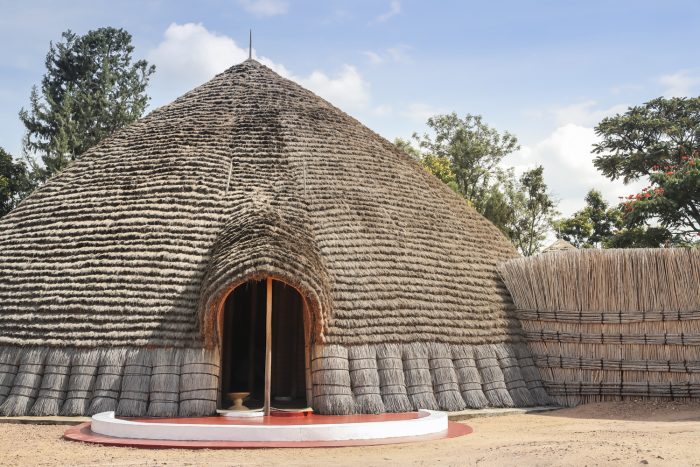
The King’s Palace at Nyanza centres on the traditional royal residence, the most celebrated of the old grass palaces of Rwanda. Built entirely in the traditional manner, with a tall conical roof of woven thatch, walls of reed and a frame of young trees, the palace was rebuilt with extraordinary care. As a result, visitors can walk through its rooms and understand how a king lived. Beside it stands the more modern palace erected at the end of the royal era. This colonial-influenced building has empty rooms that speak of a monarchy that ended by referendum before its residence was ever truly occupied.

Herds of the famous long-horned Ankole cattle surround the palace, elegant beasts with sweeping white horns that the kings treasured. The royal cattle were the great wealth of the kingdom, both as a source of milk and as a symbol of status. The herd at Nyanza descends, in spirit if not always in exact bloodline, from the animals that once grazed these same slopes. In fact, herdsmen guard the cattle with a ritual care that reaches back to the oldest Rwandan customs.

Kings Palace Nyanza: A Step into the Past

A visit to Nyanza is a step away from the wildlife and into the country’s memory. It combines beautifully with the southern route. It also makes a natural companion to a gorilla trek in the north. The story it tells, of the kingdom and of the people, is the story behind every other cultural site in Rwanda.

the front of the King's Palace at Nyanza

The King’s Palace Nyanza: The Traditional Royal Residence

The heart of the museum is the reconstructed royal residence, the grandest of the old-style palaces. Building such a palace was a communal work of art. It required, as the site’s exhibitions explain, the skills of many villages: the frame, the thatch, the inner rooms and the fine inner wall. The finished structure is one of the largest of its kind in the country. A ring of wood supports its dome of thatch, and its silence is the first thing every visitor notices.

You enter through the low woven door, bend beneath the crown of the roof and step into the dim, cool rooms. The interior is arranged as it would have been in the time of the king. You see the seat of honour by the central pillar, the milking area, the room of the queen and the chamber of the royal guards. The guides of the site know the family history of the royal house. They explain each space, the court ceremonies, the guests from across the region and the customs of the royal household.

Inside the King’s Palace Nyanza

A visit to the King’s Palace at Nyanza starts with this great grass hut. The kings of Rwanda built the palace as the heart of their court. Meanwhile, the palace at Nyanza now welcomes travellers from around the world, and its walls of reed and thatch still shelter the memory of the kingdom.

What makes the hut so moving is the sense of the real: the smoke-darkened walls, the milk gourds hanging in their place, the worn floor. Walking through the rooms, you understand why Rwandans describe the palace as the soul of the country built in grass. For a people whose kingdom was lived in this way, the hut is not merely a museum object. It is a home of the national memory.

The reconstruction used the same methods as the original, with the same grasses and the same patterns. Today’s visitors see the palace much as its old guests did. The museum has turned this care into a daily demonstration, and on many days you can watch artisans repairing the thatch in the traditional manner. It is a living workshop gathered around the house of power.

The Modern Palace at Nyanza and the Story It Tells

Beside the traditional hut, separated by a wide grass lawn, stands the other palace of Nyanza. The modern building rose in the final years of the kingdom, with verandas and rooms arranged around concrete corridors. It was planned as the residence of a monarchy that was changing with the century. Thus, the building combined the ceremonial life of the court with the modern functions of a state.

The story of the modern palace is the story of an era that did not arrive. The building was barely finished when the monarchy ended in the early 1960s and the royal family went into exile. The kings never lived in it, and the palace at Nyanza became a museum instead. The site therefore preserves it as a witness to that passage. The museum now fills it with rooms of royal and cultural heritage: photographs, ceremonial objects and the records of the family that carried Rwanda through its history.

The two palaces side by side say more about the country than either alone. The traditional hut is the deepest Rwandan memory; the modern palace is the country’s rapid and painful turn towards the twentieth century. The site is careful to present both, and it manages the visitor’s attention with a balance that is thoughtful and respectful.

For the traveller, the modern palace also offers the most comfortable pause. Its verandas are shaded, and you can sit against the wall of the colonial building. Indeed, you can watch the cattle move across the far lawn like a painting from the old court.

the royal palace at Nyanza with its grounds

The Long-Horned Cattle of the King’s Palace

No visit to Nyanza is complete without a moment with the cattle. The Ankole-Watusi are the celebrated breed of the region. They carry enormous horns and white coats, and they walk to the water with a graceful step. In the old kingdom the herd at the King’s Palace Nyanza was both a treasury and a symbol. The number of the cattle and the beauty of their horns announced the might of the court. Their milk was reserved for the royal household, and the kings of Rwanda measured their wealth in the cattle that grazed at the Nyanza palace.

At the palace the herd grazes on the lawns, and the herdsmen, in their traditional cloth, treat the animals with an honour that seems almost religious. Visitors may approach the fence. On many afternoons the keeper explains the duties of the herdsmen, the names of the animals and the central place of the cow in Rwandan culture. It is a calm, timeless scene. The sight of the white horns against the southern sun is one of the most photographable moments in the country.

The cattle of Nyanza are also a bridge to the old stories. There are tales of the beautiful queen and the young hero, and of the gift of a cow as the highest of honours. The herd at the palace is the living museum of that system. Its presence completes the picture of the kingdom that the two palaces open.

The Court and the Community

The court of Nyanza was not only the king’s home; it was a centre of government, justice and ceremony. Chiefs travelled from across the country to bring their disputes and their tribute. Princes were educated at court, while the drummers and dancers of the royal house performed for the guests. It was the cultural engine of the kingdom, and its customs, radiating outward, reached every hill of the country.

The kings palace nyanza court governed a country of hills and clans. Kings and their advisors held court at this palace in Nyanza for generations. The palace in Nyanza remained the symbolic heart of the kingdom even when the king travelled. Today the court lives on in the stories the guides tell.

At the site today, the staff revive the old arts of the court systematically. Traditional dancers have performed on the lawns, and the royal drums keep their time. The museum buildings also host exhibitions on the kingdom period, the art of the court and the photography of the region. Finally, the visitor carries the place away through both the senses and the mind.

Walking down from the palace to the market that climbs the path, visitors meet the community of today. Women sell woven baskets, while children run between the stalls. This quiet commerce has always lived in the shadow of the court. The royal history and the communities of the present are the two faces of the site, and its guides know them equally well.

Nyanza and the Southern Route to the King’s Palace

The palace has a special role in a Rwandan itinerary. It is the headline of the south, the region most visitors cross on their way north to the volcanoes. It is also one of the most complementary stops to a four-day gorilla trekking trip. Besides the wildlife parks, the south of Rwanda is a quiet land of hills, tea and workshops, and the palace is its royal seam. The Rwanda Development Board lists the site among the country’s leading cultural attractions.

Visitors who travel the south usually combine the palace with the craft workshops of the region. Further south, the highlands lead towards the Nyungwe forest. The kings chose Nyanza for their palace because the southern hills offered space, pasture and calm. The site’s location, about ninety minutes from the capital along the main southern highway, makes it an easy and rewarding stop for anyone crossing the country.

For a longer journey, the south connects naturally with the western route, where the road from Nyanza curves toward the rainforest and the lakes. A visit to Nyanza can therefore open a route towards Lake Kivu, the clear inland sea of the west. The two together give the traveller the full sweep of the old kingdom’s lands.

The Kingdom Remembered

To understand the palace of Nyanza it helps to understand the kingdom it served. Rwanda was ruled for centuries by a line of kings. They united the hills under a court that was part royal, part spiritual and part administrative. The king was not simply a ruler. He was the head of a living order of ceremonies, of the sacred drums, of the cattle of the court and of the deep chains of alliance that bound the regions together. Indeed, the crown expressed its power as much in the arch of a thatched roof as in any law or army.

Nyanza was one of the great residences of that order, and the site preserves its memory with remarkable even-handedness. The museum does not invite visitors simply to admire a vanished monarchy. It invites them to understand how the kingdom formed the character of the Rwandan people. In fact, their manners, their arts and their sense of belonging to a common house all carry that mark. Nothing in the daily life of the region, from the way people greet each other to the way they hold their ceremonies, is untouched by that inheritance.

Kings, Drums and the Palace at Nyanza

The royal drums of Rwanda were the voice of that order, and a session at Nyanza may include a demonstration as well as an explanation. Travellers from the world of the gorillas and the green forest often tell us the palace gave them the missing frame. Here was the society that shaped the hills above the volcanoes. The same hills now welcome visitors on a gorilla and culture journey. The forest and the court, the ranger and the courtier, belong to one and the same country.

For those who wish to go deeper, the regional museums and the oral history projects in the south open the same windows. Here, for example, are the stories of the royal line, the memory of the great occasions, and the way the court exchanged gifts, titles and duties with the countryside. Nyanza is the doorstep of that exploration. Its calm makes it one of the most restful days of the whole safari, a day of grass, cattle and the quiet patience of southern Rwanda.

Practical Information

  • Location: Rukari Hill, Nyanza district, about ninety minutes by road south of Kigali along the main highway.
  • Hours: open daily during working hours; guided tours are recommended and take about one and a half to two hours.
  • Guides explain the two palaces, the royal household and the history of the cattle.
  • The site includes the museum buildings and the grounds of the herd; comfortable shoes and modest dress are advised.
  • Demonstrations of traditional dance and cattle parades are sometimes held, so ask what is on when you arrive.

Access is simple and direct, and the site is arranged with visitors in mind, from the parking at the gate to the paths across the lawns. The town of Nyanza also offers simple restaurants and coffee. The surrounding hills are worth a slow drive at the end of the afternoon.

The Palace in the Memory of Nyanza

The palace of Nyanza is many things at once. It is an architectural treasure, a museum of the cow, a memorial of the kings and a living window on the African royal court. For the visitor it gathers all these stories into one walkable afternoon. Nevertheless, it returns them with a gravity that stays in the mind long after the journey south is over.

It is also a companion piece to the rest of a Rwandan holiday. The same hills that kept the throne now receive travellers with the patience of the region. Similarly, the customs that once organised the court now shape the welcome offered to guests. To visit Nyanza is to add the royal line to the geographic width of your itinerary, and the picture of the country becomes complete.

When you plan your Rwandan trip, we are happy to arrange a day at Nyanza with a knowledgeable guide and a good route connecting with the rest of the country. Talk to our team and let us build the palace into your gorilla and culture safari. Your Rwandan holiday then holds both the living country and the memory of the kingdom. For official visitor information, see the Visit Rwanda tourism board.

Umuganda: Rwanda’s National Day of Community Service

On the last Saturday of every month, Umuganda in Rwanda turns every road and hillside into a community workspace: the roads empty, the shops close, and the whole country comes out to work. The shops close, the moto drivers park their bikes, and across the country, from the capital to the smallest village, people come out with hoes, brooms, machetes and gloves. They are taking part in Umuganda, the national day of community work, one of the most distinctive social institutions of modern Africa. For a traveller, coming across an Umuganda morning is a rare sight: a whole country working shoulder to shoulder, and doing so with a matter-of-fact dignity that is hard to forget.

What Is Umuganda?

Umuganda is an old word. In Kinyarwanda it refers to a task carried out by the community for the community, and the tradition predates the modern state by many generations. Neighbours would come together to build a home, clear a field or mend a path, and the work was followed by sharing food and conversation. The institution fell into disuse during the difficult decades of the twentieth century, and it was revived in the 2000s as a deliberate instrument of national rebuilding. Today it is written into the rhythm of public life: on the last Saturday of each month, participation is expected, and the results are visible across the whole country.

What Happens on an Umuganda Day?

What does an Umuganda day look like in practice? The work begins early, often around eight in the morning, and lasts until about eleven. Communities choose their own tasks: clearing road verges of bush, repairing footpaths, cleaning public buildings, planting trees, building homes for the vulnerable, or restoring the terraces that hold the country’s steep fields. The work is followed by a community meeting, where leaders report on progress and residents discuss the needs of their cell or village. In many areas the meeting ends with the sharing of news, plans for the months ahead and, on good days, a chorus of song.

For the visitor, Umuganda is both a practical and a philosophical introduction to Rwanda. It explains the immaculate roadsides, the order of the towns and the sense of shared purpose felt everywhere. It is also, on occasion, wonderfully joinable: visitors are welcomed at many community workdays, and there are few better ways to earn a lasting Rwanda memory than by planting a tree with Rwandans on their own hillside.

For the traveller who wants to understand the country, Umuganda in Rwanda is the fastest lesson available: one Saturday morning shows how the community works, how the hills stay clean and how the country governs itself. The Umuganda community day is also the reason Rwanda is often called the cleanest country in Africa. This guide explains the tradition, what happens on the day, and whether you can join in as a visitor.

Umuganda community day volunteers in Rwanda clearing the streets

The Old Roots of the Umuganda Tradition in Rwanda

Long before there were roads to clear, the hills of Rwanda were farmed by communities that understood that survival was a collective act, and the roots of the Umuganda community day go back to those oldest habits of the Rwandan hills. The homestead was raised by neighbours; the harvest was gathered by relatives; the cow that died was replaced by the clan. Within this web of mutual support, the work of the community took the name umuganda, and the word carried a sense of obligation softened by kinship.

In the old order, the most visible form of umuganda was the communal construction of houses. When a young couple married and needed a home, the village gathered on a chosen day, and by the evening the walls would be raised and the roof thatched. The day was marked by music and food, and the new household began its life surrounded by the goodwill of the whole hillside. That picture of shared house-raising lives on as the symbol of the tradition in every modern Umuganda community day.

The colonial era and the upheavals of the twentieth century weakened the practice, much as they weakened so many of the country’s institutions. The revival of umuganda in the new century was therefore a deliberate act of memory: the country chose to bring back its oldest habit of cooperation and to place it inside the modern state, and in doing so it restored a community tradition across the whole of Rwanda. The result is a law that gives structure to the tradition, but the spirit is the same one that raised the first houses on the hills.

How Umuganda Works in Rwanda Today

Today, Umuganda in Rwanda follows the same rhythm from north to south, and on the last Saturday of the month the routine is identical everywhere. Work starts early and the authorities are clear about the schedule: the morning belongs to the community. In Kigali the streets of each neighbourhood are assigned to their residents, and the crews spread along the roads to cut grass, dig drains and collect the trimmings of the week. In the countryside the tasks are broader: farmers break land for those who cannot work it, the young people clean the school, and the repair teams lift fallen bridges.

The work is not labour without regard. Many keep a community fund that grows from joint projects, and the resources are spent on whatever the residents decide at their own meetings. But the heart of the day is not the money; it is the presence. The gathering when the tools are put down, when the village sits together to speak about what was done and what remains, is the heart of the Umuganda community day.

Attending is expected of every able adult, and the system works because it is mutual: Umuganda in Rwanda is a community system, and the mutual expectation is what makes it work. The official in the capital clears the same stretch of verge as the farmer in the district, and the sight of leaders beside the people is part of the country’s social contract. Visitors who stay through an Umuganda Saturday see the transformation: by noon the verges are tidy, the bridges are mended and the republic looks genuinely nourished by its own hands.

What Umuganda Has Built

The public record of Umuganda in Rwanda is easy to read in the landscape itself, and the cleanest streets in Africa are the proof. The public record of Umuganda is not hard to read. Rwanda is regularly called the cleanest country in Africa, and that is not the work of a great municipal army; it is the work of millions of ordinary people, month after month, without pay. The terraces that hold the hillsides, the roads that reach the last villages, the schoolrooms and health posts raised by their own communities: these carry the marks of the Saturday gatherings.

The institution has also been a force for reconciliation, and Umuganda in Rwanda is the community habit that has become a quiet binder of people. In a country that has known deep division, the habit of working side by side in the same valley, under the same sky, has been a quiet binder of people. The community meetings that close the day are places where small disputes find their answers and where the village accepts responsibility for its own members.

Observers from abroad have examined umuganda as a model of community-driven development, and several countries have borrowed the idea, while the Rwanda Development Board highlights the community projects that visitors can support. In Rwanda itself the day is part of the national identity: it is taught in schools, marked on the official calendar and it appears constantly in daily life. To understand modern Rwanda one must understand that this monthly gathering is not a slogan; it is how the country is actually run, one Saturday at a time.

Can Visitors Join the Umuganda Community Day?

Yes, and many do, because visitors can join an Umuganda community day across the country. Across the country visitors are welcomed to the work days, and the welcome is genuine. The simplest way is to be in the right place on the right Saturday morning: ask at your lodge, or plan it with us, and a community will almost always find a place for you. You will be given a tool, shown the task and introduced to the people of the hill, and by the time the meeting is over you will have made friends.

Good practice for an Umuganda community day is simple. Wear old, comfortable clothes, bring water and gloves, and mind the rhythm of the group. Treat the morning as work rather than a photo opportunity, and the cell will treat you as one of us. Most travellers who take part describe the hour as among the most honest of their trip, a memory no snapshot can hold.

If your visit falls during a gorilla holiday, the schedules fit naturally: the community morning is finished by midday, freeing the afternoon for the forests of the Volcanoes National Park or a drive towards the lakes of western Rwanda. For a longer journey, such as a six-day gorilla and Lake Kivu itinerary, we can place your dates so that the Umuganda morning becomes part of your story.

Umuganda and the Rwanda You Travel Through

Every traveller notices the same things: the clean roads, the quiet traffic, the terraced hills, the absence of litter. Umuganda in Rwanda is the engine behind them, and the country has chosen to make its environment a collective responsibility, and the result is a landscape that reads, everywhere, as cared for by its own citizens.

The tradition explains the country’s approach to development too. Roads, clinics, schools and bridges are built, then maintained, by their own communities, and the sense of ownership of shared places is measured in the village. The meeting that closes the morning is a small democracy in action, and its reliability, month after month, is one of the quiet strengths of the state.

For those who cross Rwanda for the gorilla permits and the mountain forests, the discovery of this civic culture is often the surprise of the journey, and Rwanda’s official tourism board lists it among the country’s cultural experiences. The gorillas are the headline, but the hillside where a whole village plants trees together on a Saturday morning is the country itself, complete and unposed.

Practical Notes for the Umuganda Community Day in Rwanda

  • Umuganda runs on the last Saturday of every month, nationwide, roughly from 8 a.m. until the middle of the day.
  • Visitors may join many community work mornings; ask at your lodge, or arrange it in advance through your tour operator.
  • Some national park and cultural site activities have reduced morning staff because the guides themselves take part.
  • Bring old clothes, sturdy shoes, water and, if you can, a pair of gloves; mornings are dusty but cheerful.
  • After the work, you are likely to be invited to share a cup and a laugh with the same hill that spent the morning.

Backpacks of advice: do not photograph anyone without being welcome, and remember the real gift is your own two hands. If your dates allow, schedule an Umuganda community day into your itinerary before you book. Rwanda has a wonderful habit of turning a visitor into a neighbour within a single hour; the only way to learn it is to accept the hoe.

\"aa tidy street of Kigali

The Heartbeat of the Hills

Even before you understand Umuganda, you can feel its rhythm in the country, because the heartbeat of the Umuganda community day is the same need that raised the first homes on the hills. The hills of Rwanda are crowded and proud, and no family could build, roof or harvest alone. That need is the source of the habit: to gather, to turn private strength into shared work, to turn the good of a few into the good of all. Umuganda is that old need with a modern calendar.

Watch the weekend gathering in any village and you will see something worth remembering: the way a community works as one along a road, the way the old find their tasks and the children their small part, the way the work moves forward without any single voice giving orders. The discipline is not forced from above; it is carried by each participant. The country that emerges from these Saturday mornings is one that feels cared for, and that feeling is what visitors take home.

For the person who loves culture, joining the morning offers an insight that no staged ceremony can: a direct sight of how Rwandans behave when nothing is ‘on stage’. The banter between the sacks, the respect given to the elders, the way a stranger is simply folded into the work with the words ‘you are welcome’: all that is Rwanda without its performers.

And if your safari runs through the mountains at the end of the month, there is a small, happy detail: the same guides and trackers who clear the district verges in the morning are often the very guides and porters who will lead you to the gorillas in the afternoon. Their hands, their pride, the same blessed mountains, all in the same day.

Planning Your Journey

Travel itself, of course, should follow its own rhythm and not only the calendar of the work. Where Umuganda adds to a plan is when you design your route deliberately: if possible, end your week in Rwanda on a Saturday so that the final morning is a field day rather than a lazy one. Days spent most intensely on the road find their best close in the company of the hill.

Combining the work morning with a longer circle of the country is simple, and an Umuganda community morning in Rwanda fits naturally at the end of any itinerary. A first week that takes you from the capital to the volcano forest north to the lakes, and then a Saturday village gathering, is a way to complete the journey with the very values that Rwanda offers every visitor: togetherness, memory and the deep trust in the land.

The practical work is a matter of a single sentence to your guide, and that sentence is all it takes to join an Umuganda community day: ‘I would like to spend the Umuganda morning with the village.’ That sentence will open a world of good coffee shared after the work, of pleasant difficulty you will wear home with pride, of a photograph with the whole street that the light will not repeat. When you are ready to put it together, our team will place every Saturday you choose into your itinerary, and the thousand hills will welcome your hands.

The Kigali Genocide Memorial: A Visit of Remembrance

Every journey to Rwanda passes, at some point, through a question that the country does not hide. The Kigali Genocide Memorial stands on Gisozi hill in the capital, a quiet garden of remembrance where more than a quarter of a million people who died in the 1994 genocide against the Tutsi are remembered. It is not an easy place to visit, and it is not meant to be. But it is one of the most important experiences a traveller can have in Rwanda, because it explains the country you are travelling through: its grief, its rebuilding and its extraordinary commitment to unity.

The memorial opened in 2004, ten years after the genocide, and it opened with support from Aegis Trust, a British organisation dedicated to the prevention of genocide. It sits above the resting places of many of the capital’s victims, and its gardens are themselves a grave site. The exhibitions inside take the visitor through the history of the country before 1994, the events of the genocide, and the aftermath: the survivors, the trials, the reconciliation and the hope. It is a museum, a cemetery, a school and a place of pilgrimage all at once.

For a visitor, the memorial is the opposite of a tourist attraction in the ordinary sense. There are no souvenirs of the tragedy inside the exhibition halls. The exhibition areas do not permit photography, phones stay silenced, and the first room sets the tone. It is a visit that asks something of you: attention, respect and the willingness to hold grief for a while. Most people leave changed, and most people say that they are glad they came.

The Kigali Genocide Memorial Experience

This guide explains what the Kigali Genocide Memorial contains, how to prepare for the visit, the etiquette that is expected, and why the experience belongs in every Rwandan itinerary, including those built around gorilla trekking and the landscapes of the Volcanoes National Park.

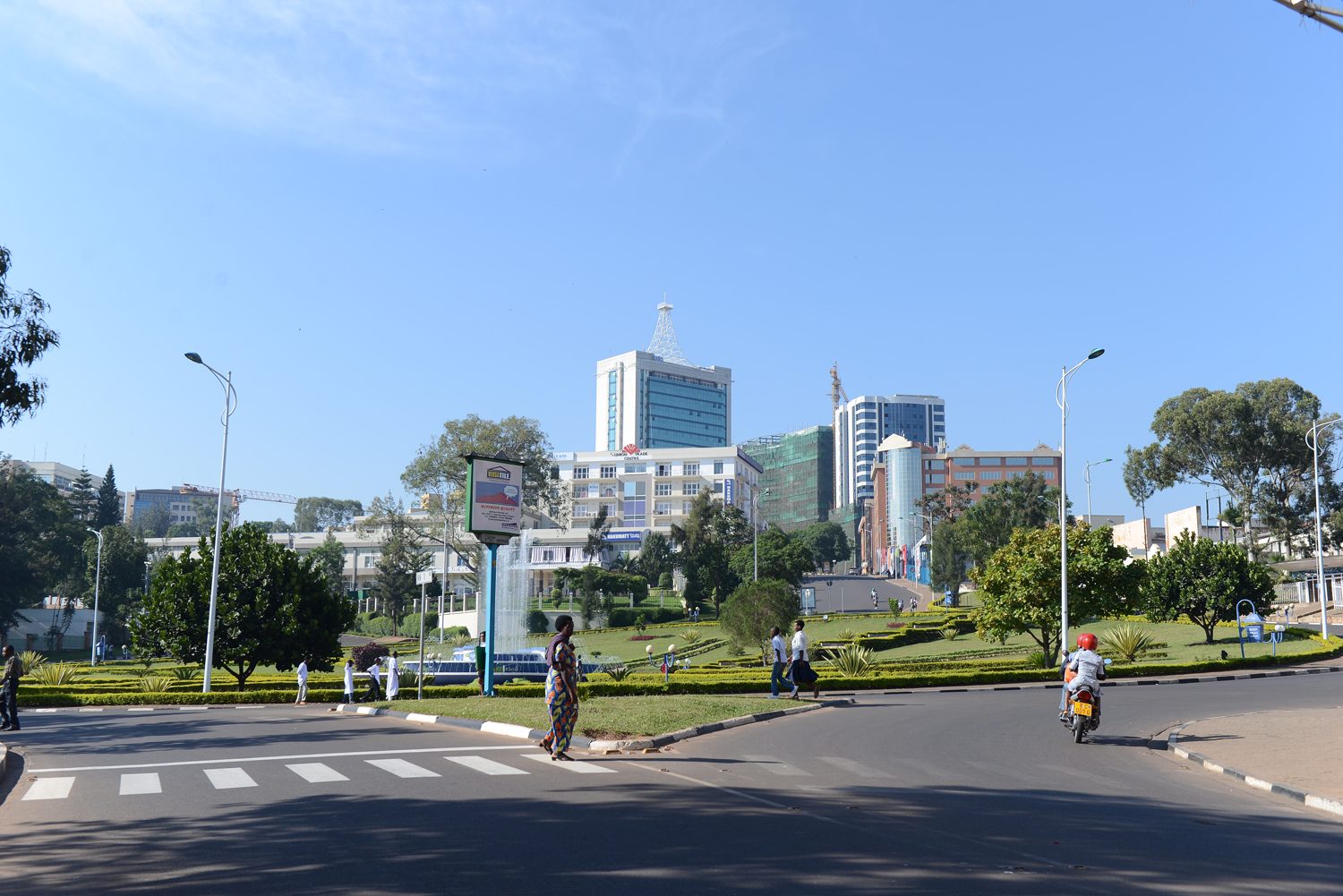
The Kigali skyline above the city, home of the Kigali Genocide Memorial

The History the Memorial Tells

The memorial’s permanent exhibition tells a long story that begins long before 1994. Its first rooms introduce the pre-colonial kingdom of Rwanda, its culture and its social structures, and explain how colonial rule introduced ethnic identity cards and institutionalised division. The history is told plainly and without sentimentality, because the memorial’s mission is education, not propaganda.

The central galleries then walk through the genocide itself: the killings that began in April 1994 and continued for one hundred days, the speed and scale of the violence, the role of the media in inciting hatred, and the international response that did not come in time. The exhibition uses photographs, film, personal testimonies and objects collected from the graves, and the effect is devastating and necessary. Visitors move through the rooms slowly, and the silence between groups is heavy.

The final sections deal with the aftermath. They tell the story of the survivors and the orphans, of the mass graves that continued to be discovered for years, and of the courts, both national and international, that worked to bring justice. They also describe the path of reconciliation that Rwanda has taken since, including the community courts known as Gacaca, through which hundreds of thousands of cases were heard across the country.

There is also a wing dedicated to other genocides around the world, because the memorial’s founders believe that the lessons of Rwanda belong to humanity, not to one country. The result is a museum that speaks in two directions at once: to the past of Rwanda and to the conscience of the world.

The Gardens and the Graves

Outside the exhibition building, the memorial’s gardens are as important as its halls. Simple headstones mark the mass grave sites, and researchers estimate that more than a quarter of a million victims lie on the hill, the largest single place of burial from the genocide. On the anniversary of the genocide each April, survivors gather here to light remembrance fires, and the memorial remains the spiritual centre of the country’s mourning.

Walking the gardens is a quieter experience than the exhibition, and many visitors find it the most moving part. There is a wall of names, with the names of victims engraved as they become known to the memorial’s research team, and it is still growing; the memorial actively works to document names so that the dead are not anonymous. There is also a memorial for children, a particularly heart-breaking gallery of portraits and last words.

The gardens hold roses and flame trees, and they are kept immaculate by gardeners whose work is itself a form of care. The beauty of the grounds against the weight of what they hold is one of the memorial’s most powerful statements: Rwanda has chosen to make this place a garden, not a ruin.

Preparing for Your Kigali Genocide Memorial Visit

Before you enter, it is worth knowing that the memorial is a place of education, not entertainment. The exhibitions are dense, the testimonies are difficult, and most visitors spend between two and three hours inside. Guides lead groups through the history, and it is possible to join a guided tour in several languages; the guides are trained survivors’ companions and educators, and they handle the weight of the material with care and dignity.

It is wise to visit early in your time in Rwanda rather than at the end, because the memorial gives context to everything else you will see: the roads, the hills, the churches and the villages all carry the history. Many travellers who come for the gorillas begin in Kigali, and the memorial makes the first day of a two-day Rwanda gorilla trek or a longer journey far more meaningful.

Allow quiet time afterwards. The memorial’s caf and gardens offer a place to sit, and the staff expect that visitors will need a moment. It is not unusual to see travellers sitting alone in the gardens after the tour, and that is part of the design: the memorial wants its visitors to leave slowly, carrying the experience rather than rushing past it.

Etiquette and Expectations

The memorial has clear rules that every visitor should follow. Photography is forbidden in the exhibition halls, phones are silenced at the entrance, and large bags must be left in the lockers. Dress respectfully and match the tone of the place: keep voices low and leave laughter at the gate. These are not arbitrary rules; they protect the dignity of the site and of the families who come to remember.

It is also worth knowing that some visitors find parts of the exhibition too intense, particularly the children’s memorial and the testimonies. There is no shame in stepping outside for air, and the staff are understanding. The memorial is a place where it is acceptable, and even expected, to be moved to tears.

Entry to the memorial itself is free, though the team welcomes donations and offers guided tours for a small fee that supports the memorial’s education work – official visitor information is on Rwanda’s official tourism board siten programmes. These programmes reach thousands of Rwandan schoolchildren every year, teaching a generation that did not live through 1994 what their country went through and why unity matters. Your visit directly supports that work.

Beyond the Memorial: Other Places of Remembrance

The Kigali Genocide Memorial is the most complete, but it is far from the only site. Across Rwanda, churches and other sites where killings took place now serve as memorials, and several welcome visitors. The most visited include the church of Nyamata, the technical school of Murambi and the church of Ntarama, each with its own exhibition and its own heavy silence. These sites are harder to reach than the Kigali memorial and require longer journeys, usually through the southern districts of the country.

For travellers with time, visiting one of these sites after the Kigali Genocide Memorial deepens the understanding, but the Kigali Genocide Memorial alone is enough for most visitors. The decision is personal, and the memorial’s own guides can advise on which sites are appropriate and how to reach them.

April is the most significant month for remembrance in Rwanda, when the country observes the anniversary of the genocide. Visitors during April will see remembrance ceremonies, flame-lightings and solemn processions, and the memorial becomes the centre of the national observance. It is a powerful time to be in the country, though it is also the heaviest time to visit these places.

Why the Kigali Genocide Memorial Belongs in Every Itinerary

Some travellers hesitate, wondering whether a gorilla safari should include a site of such grief. The answer, most travellers discover, is yes, and the reason is the country itself. Rwanda is a place that has chosen to remember publicly and to rebuild openly, and no visit to its mountains, lakes and forests is complete without understanding that choice. The gorillas of the Virungas survived in the same hills where people were killed; the country’s parks and its peace are part of the same story of recovery.

The memorial also explains the Rwanda you will meet: the cleanliness of Kigali, the discipline of the roads, the community work of Umuganda and the national commitment to unity. These are not decorations on the country; they are the deliberate answers of a nation that decided, after 1994, to become something else. When you walk through the memorial and then walk through the city, the connection is unmistakable.

For that reason, we include time for the memorial in our longer itineraries, alongside the forests and the lakes. A journey that takes in the best of Rwanda in eight days naturally passes through the capital at its start or its end, and the memorial fits into either moment. The quiet of Gisozi hill and the silence of the gorilla forest are not as far apart as they seem; both are places where Rwanda meets its history with dignity.

roads of central Kigali

Practical Information for Your Kigali Genocide Memorial Visit

  • Location: Gisozi, on the outskirts of central Kigali, roughly twenty minutes by car from the city centre.
  • Hours: open every day of the week; the last entry is about two hours before closing, and it is wise to allow a full morning or afternoon.
  • Guided tours run in several languages, and guides strongly recommend them for first-time visitors.
  • Entry is free; donations and tour fees support education programmes for Rwandan schools.
  • Photography is not permitted inside the exhibition halls; the gardens may be photographed with respect.

Most hotels in Kigali can arrange transport to the memorial, and our team is happy to include the visit in any itinerary, whether it is a short stop in the capital or the beginning of a longer journey. We recommend morning visits, when the light is soft and the gardens are quiet.

The Kigali Genocide Memorial and the Meaning of a Visit

No review can fully prepare you for the Kigali Genocide Memorial, and that is as it should be. It is a place that resists summary because it asks you to do something rare in travel: to be present with grief that is not your own, in a country that has chosen to carry it publicly and to turn it into a lesson for the world.

What most visitors carry away is not only sorrow but also a deep respect for the people who survived, who returned to these hills, who buried their dead with ceremony and who rebuilt a nation with an almost impossible clarity of purpose. The memorial is the place where that respect begins, and everything else you see in Rwanda, from the thousand hills to the gorilla families, is illuminated by it.

When you are ready to plan a visit that honours the country in full, contact our team and let us arrange your permits through the Rwanda Development Board, your accommodations and your time at the memorial, so that your Rwandan journey holds space for both the beauty of the land and the truth of its history.

For Families and Young Visitors

The memorial receives many families, including visitors travelling with teenagers, and the team has developed specific guidance for young visitors. The children’s memorial and the testimonies are the most sensitive areas, and the guides will advise families on how to approach them. Many parents find that their children ask questions that deserve honest, simple answers, and the memorial’s educators are experienced in giving them.

For older children, the visit can be a profound part of understanding the country they are travelling through, and Rwandan schools themselves visit the memorial regularly as part of the national curriculum. The memorial’s founders believed from the beginning that education was the primary defence against the repetition of such crimes, and the education centre attached to the site runs programmes for students from Rwanda and from around the world.

Visitors who wish to extend the learning can attend the memorial’s documentary screenings or visit its research centre, which holds archives of testimonies, photographs and documents. The centre is open to researchers and to the public, and its library is one of the most complete collections of its kind in the region.

If you are travelling with young people, we recommend the morning visit, when the gardens are at their quietest, followed by a gentle afternoon in the city. The memorial is a place where families often find their own pace, and the staff are patient with every question, however difficult.

The Intore Dancers: Rwanda’s Warrior Tradition

There is a moment in every Rwandan celebration when the drums change key and the crowd goes still. The women’s choir has been singing praise songs, the flow of conversation has wound down. Now everyone is watching the clearing. Then the dancers come: a line of men and women whose heads are crowned with long grass and whose arms rise like wings, moving in leaps so high and so precise that for a second the air itself seems to forget its currents. These are the Intore. This guide follows the Intore dance Rwanda has treasured from the royal court to the modern stage.

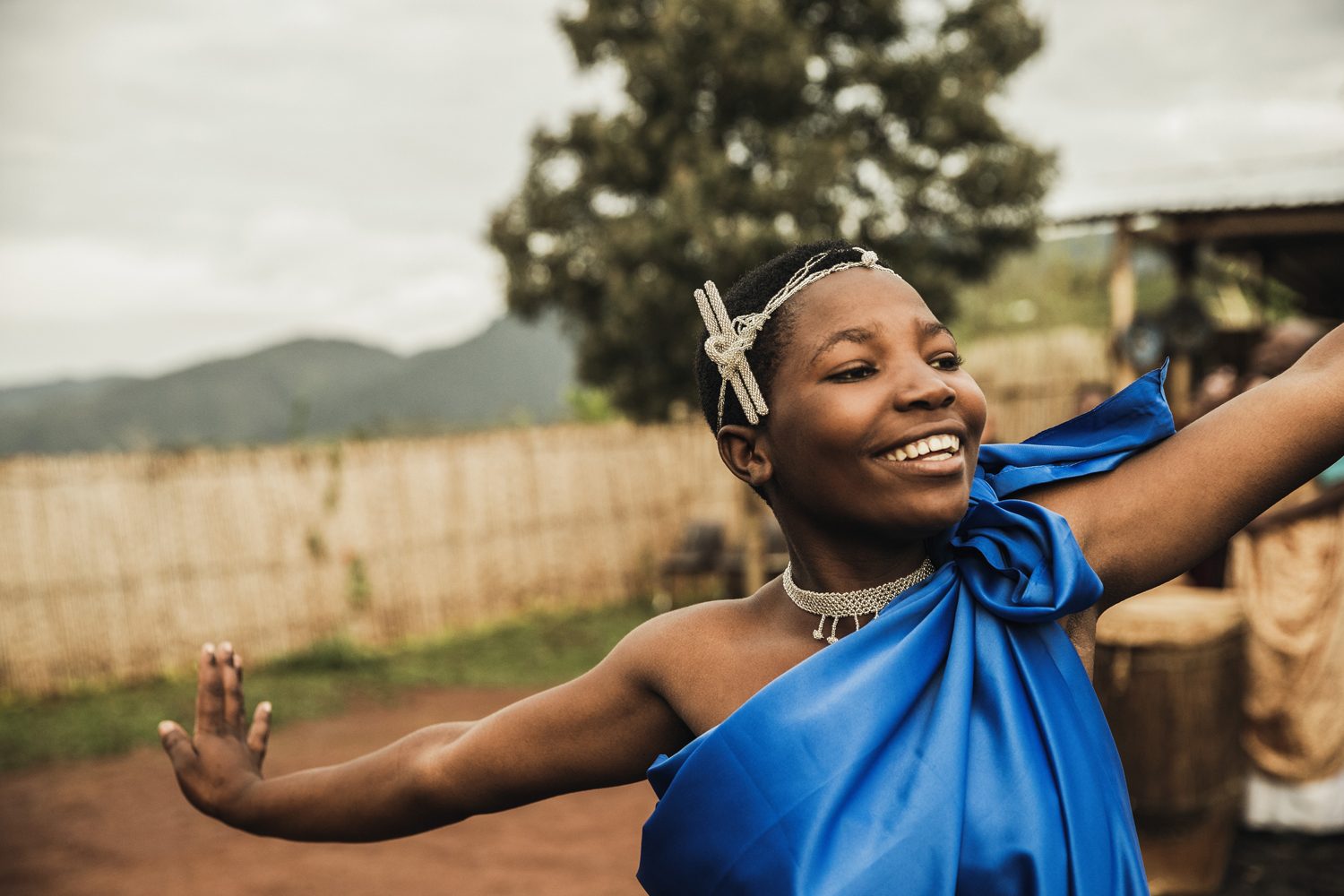
The Intore tradition began in the ancient royal court, and its modern revival is celebrated in the cultural calendar published by Rwanda’s official tourism board. The word itself means ‘the chosen ones’ or ‘the elite’, and for generations the dancers were an institution of the king’s household, selected for their grace, strength and discipline. Their dances told the stories of the kingdom: the prowess of the warriors, the glory of the herds, the praise of the drum and the honour of the land. The great drums were themselves sacred objects, carried carefully and beaten with bare hands. The dancers moved to their rhythm as if the whole hill were one body.

The Intore Today

Today the Intore are the public face of Rwandan culture, and the Intore dance Rwanda shows the world is the polished descendant of that court art. You will see them at the Kwita Izina gorilla naming ceremony, on the lawns of Kigali’s official receptions, at cultural villages such as Iby’Iwacu and at the museums that keep the tradition alive. For a traveller, a performance of the Intore is often the moment the country clicks into focus: the music, the costume and the choreography all speak the same proud language.

This guide tells the story of the Intore dance Rwanda has carried from the court to the stage: what it means, how to read the costume and the rhythm. Where to catch a performance during a safari that includes gorillas, villages and the royal heritage of the south.

The Intore Dance and the Royal Courts Where It Began

The Intore dance grew up in the royal courts of pre-colonial Rwanda, where kings surrounded themselves with a living culture of praise. The court was not only a political centre. It was the keeper of the country’s gestures, songs and rituals. Among those rituals was an institution of dancers whose performance celebrated the king, the ancestors and the kingdom’s heroes. Their training was as serious as any soldier’s.

What we see today as spectacular entertainment began as the most formal of arts. The dancers were trained from childhood, often by older masters of the court. The movements were memorised with the same rigour as the praise poems that accompanied them. The heroic dances celebrated courage and the strength of arms. The royal dances moved in slower, more majestic patterns designed to honour the throne. The line between warrior and artist was deliberately thin.

When the courts declined, the dancers did not disappear, because the Intore dance Rwanda performed for its kings was too valuable to lose. They carried their repertoire into the wider culture. After independence they became the symbol of a proud nation. In the decades that followed, the style travelled the world and the Intore became the calling card of Rwandan performance art. Today the dancers are trained troupes of professional performers. They are living proof that a tradition can be both modern and deep.

What has remained constant is the core: the barefoot leap, the calm of the arms, the way the whole body answers the drums. The Intore never dances for anything other than the moment itself. It is a greeting to the world that does not ask the world to answer. It simply is.

Intore dance Rwanda heritage: traditional dancers performing at Nyanza

The Intore Dance Costume Tells the Story

The Intore dance is easily recognisable. The most famous image is the tall grass crown worn by the performers. Sways as they move. The grass skirt that falls below the waist. In the royal tradition the dancers wore the grass crown as a sign of their rank. The skirt, the tail and the bracelets were the marks of the chosen. The two main movements of the tradition were associated with the parallel lives of the court: the crown of the dancer and the arms of the warrior.

In modern performances the costumes vary by region and occasion, but every version of the Intore dance Rwanda stages today shares the same barefoot leap. Some troupes use the brown tones of the northern forests, others the colours of the savanna and the court. What never changes is the strong, bare movement of the arms. Speaks louder than any fabric. The dancer’s body is the instrument. The dress carries the message: we are here, watch us, remember.

The movement vocabulary is simple and enormous at the same time. The essential step is the leap, executed with such control that the dancer seems to hang in the air a moment longer than physics allows. The arms and hands describe slow circles that echo the praises of the songs. The torso stays strong and upright. The dignity of the posture is the core of the dance.

To see the Intore with open eyes is to see a language that says: my strength is not violence, it is mastery. The dancer has no opponent. The dance has no opponent. It is a conversation with kings and with memory. You are the witness.

The Rhythm of the Intore Dance

No version of the Intore dance Rwanda performs is complete without the drums that speak for it. The Ingoma, the celebrated royal drum, dominates, with its curved body and stretched skin. The royal drummers are one of the symbols of the country, renowned for playing with their hands alone. The sound is so large that it carries across an entire valley.

The drums mark every phrase of the dance. The deep rhythm seems to breathe. It is on that breath that the dancers find their leap. At the end of the song, when the final beat announces the finale, the dancers freeze in the same position from which they began. The silence that follows is almost louder than the music. That is the architecture of the Intore: start and end in the same pose, with the flight of the dance between them.

There is also the singing. The Intore do not dance alone; behind them the women’s choir sings harmonies that rise like small hills, one on top of another. The choir carries the poetry that explains what the dance is saying. The whole performance is a conversation between body and voice, drum and song. It is one of the most moving musical experiences in Africa.

On a modern stage you will often see, in the same evening, the Intore, the drummers, the choir and the sharing of food and drink, all folded into a single celebration of the hill culture. The whole is more than the parts. In Rwanda the arts are one living circle.

The Intore Dance at Kwita Izina

If you want to see the Intore dance Rwanda saves for its grandest occasion, the answer is the Kwita Izina gorilla naming ceremony. Once a year, at the foot of the Virunga volcanoes, the gorillas are celebrated by the Rwanda Development Board with as many elements of culture as the park can hold, and the flagship of the day is always the line of dancers. The combination is one of the most beautiful accidents of aesthetics in the world: the largest of the world’s great wildlife events and the oldest of the country’s gestures, in front of one crowd.

At the ceremony the Intore perform between the speeches, when the audience of thousands needs to be lifted. They dance in full tradition at the base of the volcanoes themselves. The green of the grass crowns, the bare feet and the mountains above them create a moment that no other performance can copy. It has become a reason in itself to travel.

You do not need to be at the ceremony to meet them. Every evening at the cultural villages. At major events in Kigali, you will hear the same drums and see the same dance. In the village the company lets you learn a few steps. You can say that you have danced the most famous dance of the country. The step is harder than it looks. The control of the leap requires weeks of practice. Your first attempt will be worth the laughter and the applause.

  • Iby’Iwacu cultural village in the north, where a performance is part of the daily programme.
  • The cultural festivals and national museums of Kigali, which host the full ensemble of drums, choir and dancers.
  • The old royal country of the south around Nyanza, where the slower court style is preserved.

Where to See the Intore in Rwanda

There are several ways to build the Intore dance Rwanda performs every week into a safari. The most reliable is the cultural villages of the north, such as the famous Iby’Iwacu cultural village, where the performance is part of the daily programme and audiences are invited to join the group and try the dance themselves. You can reach it while on a 3-day gorilla and culture safari, which pairs a morning in the forest with an afternoon of drums.

In Kigali, the museums and the national cultural institutions host traditional dance companies that perform on request. The annual cultural festivals are the best dates of the year to hear the complete ensemble of drums, choirs and dancers in one long programme.

For the more curious, the old royal country of the south, especially the palaces around Nyanza, also preserves the tradition. The dancers there keep the older interpretations, with the slower, more majestic movements of the court style. The contrast with the leaping style of the north is one of the most fascinating details of the whole tradition.

Whichever the location, the advice is the same: stay a while, let the dancing fill the space around you, and, if you are invited, join the rhythm. The Intore do not perform to be watched from the fence. The perimeter of the circle is always a door.

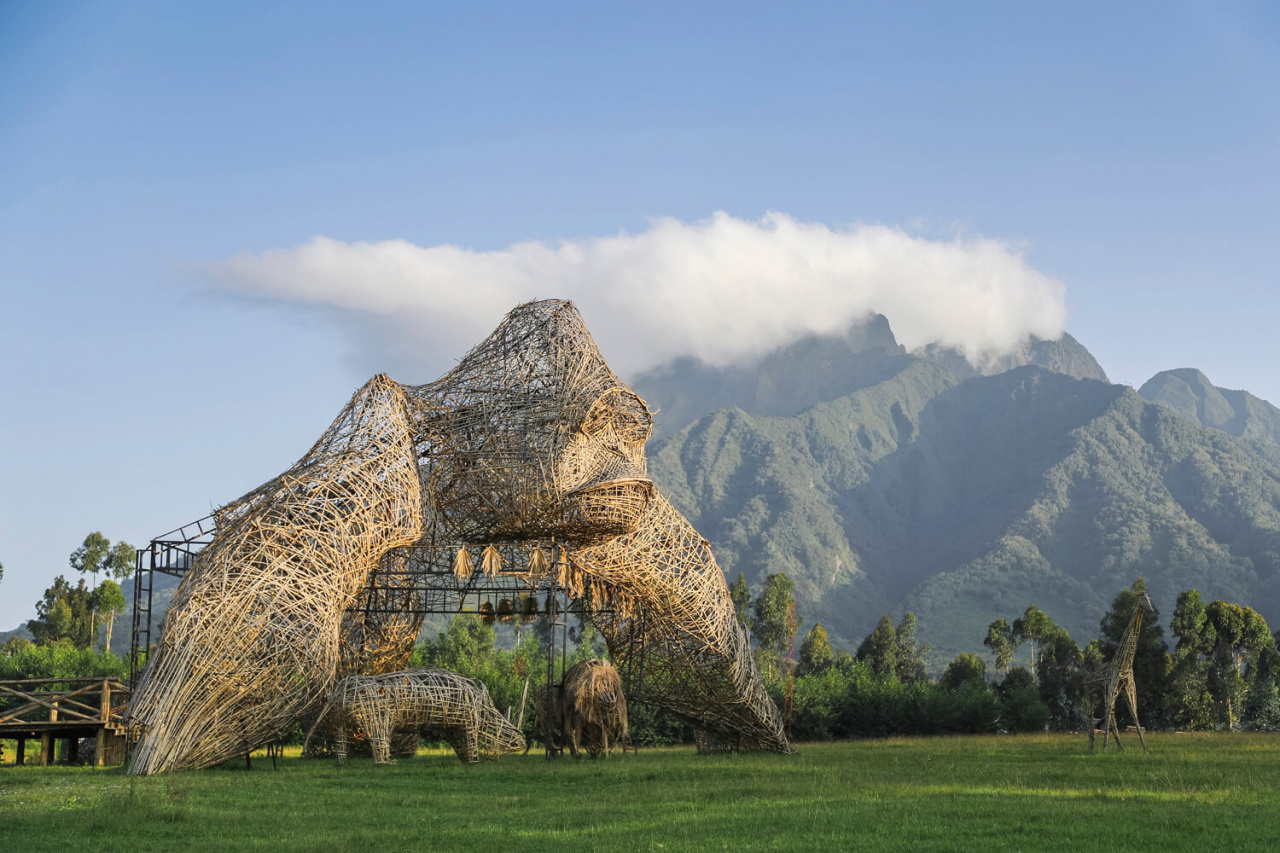
ceremonial platform at Volcanoes National Park

The Intore and the Modern Republic

The Intore dance Rwanda dances today has travelled far since the kingdom. The grace of the movement has become a symbol of dignity itself. It is worth noting that the dancers are not a museum relic. They are a modern institution. Professional troupes exist in the national cultural foundations and the universities. The dance is taught in schools as part of the national pride programme. Each generation runs the same line of the crown.

The Intore is also a bridge to the modern Rwanda. The country that danced in the court of the king is the same country whose tech companies have grown in Kigali. The dance is the cultural covenant that nothing on the hills happened around the computers. It is possible to leave a meeting in the city in the morning and sit under the stars singing with a village the same songs that were sung to the fire a hundred years ago. The connection between the extremes is kept warm by this art.

Many travellers want to take a memory of the dance home, and the music industry has made it very easy: recordings of the drumming, the famous Ingoma masters and the choir songs are widely available. Some artists have even recorded at the gorilla ceremony. The sound you will never capture on tape, though, is the live sound: the dust underfoot, the flapping of the grass crowns and the shout of the song, all part of the chorus.

A Dance and Its Future

It would be hard to meet a dancer without catching the question: why do you still dance? The answer, they say, is that the Intore has been the keeper of the country’s dignity. The kingdom produced the ceremony. The ceremony sustained the kingdom. Now that the form survives, it returns the gift: the pride of the gesture is the reassurance that nothing truly royal can be taken away.

The future is bright. Young people take classes in Kigali, troupes tour internationally and the national cultural festival is a major event. The dancers you watch today are trained with the precision of professionals and with the same barefoot humility that has carried the art for generations. The tradition is in the hands of these young people, not in the museums.

So give the Intore dance Rwanda’s stages a place on your itinerary. Let the drum find the moment. The dance cross from the stage to your memory. Rwanda’s treasures are well known for the gorillas that climb the volcanoes. The other unfolding treasure is the dancing that keeps the kingdom’s spirit alive on earth. On a six-day Rwanda gorilla and Lake Kivu tour, or a longer journey through the whole country at the rhythm of the drums, the Intore will find you. You will be glad of it.

Start planning your cultural and gorilla journey now and contact our team to secure your permits and your seat at the drum.

Rwanda Coffee Culture: From Hillside to Cup

Rwanda coffee culture begins with a smell that defines the morning. It rises from the hillsides long before the sun clears the ridgelines: the scent of wet soil, blossom and cherry, because in Rwanda coffee is not an industry in a distant province. It is part of the household, grown on the same small plots where beans and bananas share the soil. Nearly half a million smallholder families grow coffee in Rwanda, each one tending a few hundred trees on the terraced slopes of the hills, and the quality that comes from that scale has made the country a darling of the specialty coffee world.

Rwandan coffee did not always enjoy this reputation. For decades the country produced large volumes of commercial-grade beans that were shipped away and blended into anonymity. The transformation began when cooperatives, washing stations and the government worked together to improve quality, pay farmers fairly and sell directly to roasters who value terroir. Today the hills of Rwanda, from the volcanic soils of the north to the high plateaus of the south and west, produce some of the cleanest, most complex washed coffees in Africa, with notes of citrus, berry and floral sweetness that cupping tables around the world have learned to recognise.

For a traveller, following the coffee trail is one of the most rewarding ways to understand the country. A coffee tour is not a passive museum visit; it is a walk through a working hillside, a chat with a farmer, a visit to a washing station humming with the day’s cherry, and a cupping session that teaches your palate things no tasting menu could. And because the best coffee-growing districts sit close to the great safari destinations, from the volcanoes of the north to the rainforest of Nyungwe and the shores of Lake Kivu, the bean fits naturally into any gorilla and Lake Kivu itinerary.

This guide looks at how Rwandan coffee is grown, washed and roasted, where the finest cups come from, and how you can taste it all for yourself on a visit that combines hills, forest and good coffee.

green coffee beans drying in Rwanda

Rwanda Coffee Culture: A Country Grown on Hills

Geography has been kind to Rwanda coffee culture, giving it a head start no other region can copy. The country sits on a high plateau, most of it above 1,400 metres, with volcanic ranges rising to more than 4,500 metres. Coffee thrives on these slopes: the altitude slows the cherry’s ripening, which concentrates sugar and acidity, while the cool nights and the mineral-rich volcanic soils add complexity to the cup. Arabica, the specialty species, dominates, and almost all of it is grown by smallholders rather than on vast plantations.

The average Rwandan coffee farm is tiny by world standards, often less than a hectare, interplanted with bananas, beans and maize. This is not a weakness; it is the heart of the story. Because the farmer’s own family tends the trees, the cherry is harvested by hand at exactly the right moment, and the care shows in the cup. Cooperatives collect the day’s harvest and deliver it to washing stations, where the wet processing that gives Rwandan coffee its signature cleanliness takes place.

The washing station is the beating heart of the system. Cherry is floated to remove defects, depulped, fermented for around twelve hours, washed in channels of clean mountain water and then laid out on raised beds to dry in the sun. It is a delicate, labour-intensive process, and the stations that do it best are run by people who know exactly when to pull the coffee off the fermentation tank. This is why Rwandan coffee tastes so bright and sweet; the process rewards patience.

What you will notice on any tour is how social the whole system is. The station is full of women and men, of songs and sacks, of children sent to fetch water. Coffee in Rwanda is not a lonely business; it is one of the most connected industries on the hills, tying families, villages and districts into a single daily rhythm.

The Coffee Districts Worth Visiting

Every coffee-growing region in Rwanda has its own character, and a coffee tour can be tailored to the route you are already taking. In the north, around the Virunga volcanoes and the town of Musanze, the volcanic soils produce bright, citrusy cups with a gentle body, and each district adds its own chapter to Rwanda coffee culture. The same hills that feed the gorillas’ forest feed the coffee trees, and a 3-day gorilla and culture safari can easily add a morning at a washing station to its itinerary.

In the west, along the hills above Lake Kivu, some of Rwanda’s most famous washing stations operate among steep terraced slopes and dramatic lake views. The coffee here is prized for its balance and sweetness, and the stations welcome visitors for the full journey from cherry to green bean. Further south, around the Nyungwe rainforest and the old royal country of Nyanza, the higher farms produce floral, tea-like cups that remind many tasters of the best East African coffees.

For the traveller the practical side matters: most washing stations open their doors to visitors during the harvest months, roughly from March to July in the main season, with a smaller second harvest late in the year. Off-season visits still allow you to walk the farms, meet the families and cup the previous year’s crop. Any of our team can arrange a guided station visit as part of a four-day itinerary that combines wildlife with the culture of the hills.

From Cherry to Cup: The Process

Watching Rwanda coffee culture being made is a revelation. The day starts at dawn, when farmers arrive at the station with sacks of cherry on their heads or on bicycles, having picked the reddest fruit from their trees. Each sack is weighed and recorded, and at the end of the week the farmer is paid a fair price, often with a bonus if the cherry is exceptional.

The wet processing begins immediately, because quality in coffee is a race against time. The cherry is tipped into a floatation tank where unripe or damaged fruit sinks or floats away, then it passes through a depulper that squeezes the skin off the bean while the sticky mucilage remains. That mucilage is where the fermentation magic happens. For about twelve hours the beans rest in tanks, and natural yeasts break down the sugars, creating the flavours that will later appear in the cup.

After fermentation the beans are washed in channels and soaked in clean water, then moved to raised drying beds. On these beds the coffee spends one to three weeks in the sun, turned every hour or two by workers who rake the parchment like a garden. It is slow, skilled work, and the drying is the moment when a great station proves itself. Too fast and the coffee tastes grassy; too slow and it may ferment again and taste sour.

Once dry, the parchment coffee is milled to reveal the green bean, sorted by machine and by hand, and finally exported. At each step the traceability is remarkable: a bag of Rwandan coffee can usually be traced back to the exact washing station and often to the cooperative that grew it. That transparency is one reason the country’s coffee fetches premium prices on the world market.

coffee drying on raised beds in Rwanda

  • Volcanoes of the north: bright, citrusy cups grown in volcanic soils near Musanze.
  • Hills of the west: balanced, sweet coffees from the slopes above Lake Kivu.
  • Southern highlands: floral, tea-like cups from the higher farms near Nyungwe and Nyanza.

Why Rwandan Coffee Tastes the Way It Does

Ask any roaster why they love Rwandan coffee and the same words come back: clarity, sweetness and a floral brightness – the signature of Rwanda coffee culture. The reason is the marriage of altitude, soil and careful washing. The highlands slow the cherry’s development so that the bean builds more complex sugars, and the wet process keeps the cup extremely clean, allowing those sugars to shine through without earthy or funky flavours.

The volcanic soils of the north add a crisp, almost citrus acidity. The higher farms of the south produce more delicate, tea-like cups. Between the two lie thousands of microclimates, each with its own expression of the land. Coffee people call this terroir, and Rwanda, with its thousand hills and its extreme altitudes, has it in abundance.

Rwanda also grows a small but fascinating amount of other varieties, and some farms experiment with natural or honey processing, where the cherry is dried whole or with part of the mucilage left on. These experimental lots are rare and prized. If you cup one beside a classic washed Rwandan, you will taste how much the process shapes the flavour.

The other secret is the people. At every step, from the farmer who picks only ripe cherry to the woman who sorts the parchment at the station, the coffee is handled by someone who is paid fairly and who is proud of the product. That pride is measurable in the cup, and it is why Rwandan coffee has won so many competitions and why so many of the world’s best roasters list a Rwandan lot in their line-up.

Tea, the Hills’ Other Gift

No tour of Rwandan agriculture is complete without mentioning tea, though Rwanda coffee culture remains the traveller’s favourite. The country grows fine black tea on large estates, especially around the Nyungwe rainforest and in the highlands of the west, and the rolling green fields of the tea estates are among the most photographed landscapes in Rwanda. Where coffee is the farmer’s crop, tea is more often the estate crop, but both share the same hills and the same mist.

Visitors can tour a tea estate near Nyungwe, walk among the pluckers, and taste the finished leaf in the estate factory. It makes a perfect pairing with a coffee tour: after the smallholder intimacy of the coffee station, the tea estate offers a grander, more industrial view of the highlands’ agriculture. Together they explain why the hills of Rwanda smell the way they do at dawn.

For those planning a trip that includes Nyungwe’s rainforest canopy walk, a morning on a tea estate or at a coffee station rounds out the day beautifully, and the two experiences sit naturally together in a best of Rwanda eight-day safari.

The Culture of Coffee in Daily Life

In Rwanda the rituals of daily life are built around what the land gives, and coffee culture sits at the centre of them. The banana is the everyday fruit, the staple of the table and the source of the famous banana beer that is drunk from shared gourds at ceremonies. Coffee, by contrast, is the cash crop, the one that pays for school fees, iron sheets and medicine. Every farming family knows exactly what a good coffee year means.

This is why a coffee tour matters beyond the tasting. When you visit a washing station, you are not watching a show; you are standing in the middle of the local economy. The station employs seasonal workers, the cooperative invests in schools and roads, and the farmer at the gate is the one whose children the whole system sends to school. Buying a bag of beans at the end of the tour is not a souvenir; it is a vote for that system.

The Rwandan relationship with the bean is also changing with the young. Cafes in Kigali now roast local lots, pour flat whites with single-origin Rwandan espresso, and host cuppings that fill with twenty-somethings. The same generation that grew up helping pick cherry is now building a coffee culture in the city, and the two worlds, hill and capital, are converging over the same cup.

Planning a Coffee Tour of Rwanda

A Rwanda coffee culture tour works best when it follows the land, and the national tourism portal of Rwanda’s official tourism board lists washing stations that welcome visitors. Start in Kigali with a cupping or a roastery visit, then head north to the volcanic hills of Musanze, where a morning at a washing station can precede an afternoon with the gorillas or an evening at a cultural village. From there the route curves west to the Lake Kivu highlands for some of the country’s most beautiful station visits, with the lake glittering below the drying beds.

The south offers a different flavour of the same story, with high farms and old royal heritage around Nyanza, and the tea country of Nyungwe as the grand finale. A well-planned week can include gorillas, coffee, tea, lakes and forest, and a two-day Rwanda gorilla trek can be extended with a single day of hills, stations and cuppings for travellers with a tight schedule.

Practical notes: wear good walking shoes, expect to walk short distances between the trees, and bring cash if you want to buy green beans at the station, which many travellers enjoy. The harvest season, roughly March to July, is the most photogenic time, but the hills are beautiful all year, and the welcome at the stations is warm whatever the calendar says.

The Taste That Stays With You: Rwanda Coffee Culture

There is a reason travellers talk about Rwandan coffee long after they have returned home: that memory is the essence of Rwanda coffee culture, something you can brew again at home. It is not only the quality of the bean, though that is real. It is the memory of the whole chain: the farmer who picked the cherry, the woman who turned the drying beds, the cupping table where the brew revealed notes you had never noticed in coffee before. The cup contains all of that.

When you book a Rwandan holiday that includes the hills, ask our team to add a coffee morning to your itinerary. We work with cooperatives and washing stations across the country and can arrange visits that match your route, your pace and your interest. Whether you are a dedicated coffee professional or simply someone who enjoys a good cup at dawn, Rwanda has a story for you, and it is served hot.

Plan your safari, your permits and your coffee trail today by contacting our team, and let the hills of Rwanda pour their best into your cup.

Iby’Iwacu Cultural Village: Experience Traditional Rwandan Life

On the green slopes just beneath the wall of the Virunga volcanoes, in a quiet stretch of pasture about a kilometre below the boundary of Volcanoes National Park, there is a village that keeps more than a name. Locals call it Ibyiwacu cultural village; the name means ‘it is our home’ in Kinyarwanda. To thousands of travellers who pass each year on their way to the gorillas, it has become exactly that: a doorway into the everyday heart of Rwanda, into the drum, the fire, the basket and the story.

Around 2005, a handful of people whose families had lived by the forest for generations founded Ibyiwacu cultural village. Poachers, hunters, honey-gatherers and former park staff received a second chance: instead of surviving against the gorilla mountain, they learned to teach and to welcome. The scheme has become one of Africa’s most celebrated models of community tourism. Money from every visit flows back into the village, while from the forest the gorillas remain protected by the rangers who patrol the slopes above.

What Happens on a Visit

A stop at Ibyiwacu cultural village feels almost as essential as a trek. Park guides often coordinate the visit with the village hosts, and sometimes the hosts are rangers who once patrolled these slopes. On arrival the hosts greet you with song, guide you into the traditional homestead, and lead you through the life of a land where the economy of the volcano is built on cattle, beer, bananas and mud walls.

But Ibyiwacu cultural village is so much more than a stop between trails. One turn above, the great apes breathe in the forest; a few hundred metres down the path, the human story of the same forest is living, breathing and laughing. To combine a two-day gorilla trek with an afternoon in the village is, for many people, the perfect balance of the volcano experience: silence one day, song the next.

Traditional homestead at Ibyiwacu cultural village

The Purpose of Ibyiwacu Cultural Village

Before the village was founded, the valley around Kinigi was a place of subsistence: families farmed beans and bananas, kept small herds, and lived in a quiet tension with the mountain above them. In the past the forest was both boundary and resource for those who depended on it, and sometimes that dependence caused damage.

Why the Village Works

The philosophy behind Ibyiwacu cultural village is modest but powerful: if an ecosystem pays for its people, those people will protect the ecosystem. The village turns former poachers into guides and hosts, and it is the most famous example of that idea in action. Instead of setting snares or hunting, some of today’s most popular village guides are the very men who once worked the slopes. Recognising that everyone around a mountain needs a reason to love it, the village wraps its guests in welcome and shares its income openly.

As soon as you stop you may be dressed in kitenge cloth, handed a bunch of sweet bananas and seated amid the movement of the dance troupe. The village is a moving place; each telling jumps out almost on its own, with singing, footwork and laughter. You will end by trying the local banana beer or the taste of mixed millet and honey, and you will walk through the gardens where your lunch actually came from. That is the purpose remembered: not a show for tourists, but a real life shared.

For the hosts, a share of every visit goes into a community fund that builds schools, buys a cow for a widow or repairs a road. The money is public, the projects are clear, and the loop is complete: tourists support a forest; the forest supports the villagers; the villagers welcome the tourists. That is community tourism at its best, and it is the living definition of what Rwanda does well.

How the Village Speaks the Old Rwanda

Entering the village is entering the country of the ancestors. With the fire lit and the dancers in traditional dress, the troupe performs in the famous Intore style. Drummers use their hands where generations used theirs. The songs tell of love, harvest, herd and war, the four great windows onto the hill country. At the edge of the compound, huts rise in the oldest style, with rounded roofs built the way they were long ago, where the cow, the hearth and the ladder were the whole wealth of a man.

Nobody passes through silently. The village constantly invites you to take part. The keeper of the fire hands you the gourd. A woman of the homestead teaches you to knead bean paste into isombe, mixing greens with peanut and salt into a dish that smells like a family dinner. The hosts present lunch on a broad banana leaf amid the laughter of the group you came with, who suddenly feel like relatives.

Living Heritage

What astonishes most is the contrast with the modern world. The village holds for a day the pace of old Rwanda: the dusk comes in the rhythm of the light, the fire becomes the news, and the only headlines are seasons, cows, children and peace. During the crafts sessions you will often hear, under the hands of the master weavers, the tales of the big mountain: stories of honey-gatherers, of the mist-beasts of the volcano, and of how the relationship between men and gorillas changed once they learned to keep each other.

That is why people sometimes call the village a living museum. But it is not a museum with a rope: you can walk through, touch, dance and be adopted. The children of the village will sell you bracelets between their mother’s tasks, and that mixture of memory and vitality is why so many visitors return home carrying more of Rwanda’s texture than they brought.

the hills of Musanze near Iby'Iwacu at sunset

From the Village to the Gorilla Trail

Ibyiwacu cultural village sits in the heart of the volcano tourism district. From here the path rises into the forest that the park protects, and after a careful climb the rangers find the gorilla group. It is impossible not to be moved by the uncanny intersection: the same ridge that was once a dividing line between people and forest is now the world’s most famous gallery of the great ape.

Many of our guests arrange their days like pieces of one picture: sunrise with the gorilla group, midday around the village table, evening by the mountain fire. We do not recommend doing the gorilla trek and the village on the same day; they are better as neighbours, so if your itinerary is short we commonly schedule a 3-day Rwanda gorilla and culture trip to include both without rushing.

Bring small gifts if you like; the welcome is the real token. The visit works as a meeting of friends rather than a transaction. Some of the best moments come after the forest, when you hold the warmth of the place: your visit is a bridge, and that bridge runs both ways.

The head guide of the park, the same rangers who take you to the gorillas, will explain at the village gate how new rangers were trained among the villagers when the conservation programmes expanded. The feeling is one of the great Rwandan pairings: a deep shared memory with a modern, energetic future.

Booking Your Ibyiwacu Cultural Village Visit

Ibyiwacu cultural village sits a short drive from Kinigi and the park’s official gate, on the main road. Trail conditions and park news are published by Rwanda’s official tourism board, so check their pages when planning your date. Because the village can only host a limited number of demonstrations each day, we include the afternoon at the village in every itinerary, from a short getaway to a full best of Rwanda eight-day safari.

The visit can be organised alone, with your driver, or as part of a package that includes the permit, transfers and a guide. The price is kept deliberately equitable: a share reaches the village families directly, and the rest covers the simple logistics. We recommend combining it with at least one gorilla permit, because the mixture of the contemplative forest and the communal drum is the very definition of Rwanda’s thousand hills, and it works in any season.

Distance-wise the village is within an hour of Musanze town, so it makes a convenient goal at the start or end of a park day. Between the Saturday hill markets, the coffee tours to the west and the craft road of the village, you can build a very full day without ever touching boredom.

The Craft Market and the Women

No visit ends without the crafts. The Ibyiwacu cultural village gallery gathers baskets and pieces from the women and widows of the district, and these reflect the talent of the region: baskets, cloth printed with local motifs, bead jewellery, wooden bowls and the famous hand-woven sisal works. Nothing here is mass-produced; each object comes from a family home.

There is no hard price pressure; the women are generous, and the fair-trade system of the village returns the whole margin home. To buy at the village is to put your money exactly where your memory will live, and you will walk out with both full arms and a full heart.

The weaving tradition of Rwanda, we are reminded, belongs at the table of the home. The sisal is stripped on the doorstep while the talk goes round, and the village sells the object of that talent. A small chalkboard in the kitchen of the homestead lists the projects the basket sales fund, with the name of the year written twice. That is the honesty of the place.

Frequently Asked Questions

What does the name Ibyiwacu cultural village mean?

  • In Kinyarwanda it means roughly ‘our home’, evoking both a place of welcome and a shared memory.
  • It expresses exactly what the community decided to share with visitors.

When is the best time to visit? The village prepares its fire all year round, so any season works. After a trek, the afternoon visit is perfect; in the dry season the light is at its best for photography.

Is it suitable for families? Absolutely. Drumming, small animals, bananas and dancing fill a child’s day, and the village grounds are safe and open. It is one of the friendliest afternoons in Rwanda for children.

Do I need a permit? No. The village tour is independent and simple, just a short drive from Kinigi. It complements the gorilla trek, which does require a gorilla permit, and the two together make a perfect pair.

Ibyiwacu Cultural Village at the Heart of the Volcano Road

Rwanda’s balance of nature, community and craft all close into the space of an afternoon at Ibyiwacu cultural village. It is a place where the three highways of Rwandan heritage meet at one round door built of grass and welcome.

There are very few reasons to fly around the Virungas without stepping into the village. The fireplace spins the conversation, the drums search in the front row of your memory, the banana beer milks the earth, and the old chairs carry the name of a legacy that would otherwise sit in a museum. Given a day on one side of the mountain, you should see the other side: the village.

For permits, transfers and the exact planning of your stay, book your trip with our team and we will make sure the village, the forest and the mountains all find their place in your Rwanda adventure, whether for two days or for a grand tour of the whole country.

A Day at Ibyiwacu Cultural Village

The people of the northern hills have lived with the volcanoes for so long that the mountain is woven into their story. When the park was created, the boundary between the forest and the fields became a line that many families had to learn to respect, and the cultural village was one of the ways that line became a bridge instead of a wall. A visit is therefore not simply a matter of watching; it is an invitation into a real community that has chosen open doors.

The village day begins with introductions and a blessing, and it unfolds in a rhythm that surprises no one but the visitor. Breakfast may be came along the way, then the tour of the homesteads, then the dance floor. In the hottest part of the afternoon the group rests in the shade of the banana grove, and there old men tell the stories of their youth on the mountain slopes. By the evening, when the drum calls again, the visitors who arrived as strangers have been gently renamed as friends.

Staying Overnight

Those who want to go deeper can spend a night in the village, sleeping in the simple huts and sharing the morning chores. The overnight stays are among the most requested experiences of our travellers, and they give the visitor the silence of the volcano nights and the sound of the village waking, the rooster, the cow and the first fire of the day. It is a thousand kilometres from the city, and only an hour from the great forest.

The village is very close to the Volcanoes National Park itself, which means that a single day can hold both wonders of the north: the gorillas in the forest in the morning and the human culture at the foot of the mountain in the afternoon. This pairing of the wild and the inhabited is what makes the village district, at the centre of the volcano country, the most complete of Rwandan destinations.

Kwita Izina: Rwanda’s Gorilla Naming Ceremony

Every year, Kwita Izina brings drummers, dancers and visitors to the misty hills at the foot of the Virunga volcanoes. The town of Kinigi, normally a quiet staging point beneath the green flanks of the mountains, fills with dignitaries from every continent. They gather for Kwita Izina, the ceremony in which newborn mountain gorillas receive their names in the traditional Rwandan manner. It is a celebration that blends deep culture with serious conservation. It has become one of the most meaningful events on the African safari calendar.

Few things in Rwanda are more cherished than the act of naming. For generations, Rwandan parents have called together family, neighbours and elders when a child arrives in the world, offering blessings over the chosen name. Extending that same honour to gorillas was a stroke of national genius. When officials announced the first public Kwita Izina, they wanted the world to pay attention, and it did. Since then the event has grown larger every year, broadcast well beyond the park boundaries. It has become a dream for every visitor who hopes to secure a gorilla permit and see these extraordinary animals in the wild.

Kwita Izina: From Field Notes to National Festival

The tradition of naming gorillas was actually started informally by the scientists who first studied mountain gorillas. Early researchers at the Karisoke research station, following the path blazed by Dian Fossey, gave each individual gorilla a name so they could be identified and tracked. The gorillas of the Virunga families today still carry personal names rather than numbers. What began as a scientific tool has grown into Kwita Izina, a national festival and a bold conservation statement.

For a traveller, Kwita Izina is far more than a pageant. It is a window into the relationship between Rwanda and its wildlife, and an unforgettable memory that sits perfectly beside the silence of a gorilla encounter. If you dream of the volcano experience, this guide walks you through the story of the ceremony. You will learn what happens on naming day and how it all began. You can make it part of a four-day gorilla trekking trip or a longer Rwandan holiday.

What Is Kwita Izina?

Kwita Izina is the Kinyarwanda term for the ancient Rwandan baby naming ceremony. In its older form it was a private celebration. Grandparents, aunts, uncles and neighbours came together, often around a fire or a shared meal, to welcome a newborn and make its name official. Names carried deep meaning, such as personal qualities, family history, thanks to God, or hope for the child’s future.

Rwanda transplanted this tradition into the conservation world. Since 2005 the country has held a grand public version of the ceremony, called Kwita Izina, to name baby gorillas born in Volcanoes National Park. The event takes place in the Kinigi sector, just a short drive from the park gate, against dramatic views of the Virunga chain. Babies born during the previous twelve months receive their names in front of an audience that includes government leaders, diplomats, celebrities, scientists and local school communities.

Each baby gorilla usually receives one name, chosen for its meaning in Kinyarwanda or its connection to the year’s theme. The name stays with the gorilla for its whole life, and researchers and rangers remember it. A name given at Kwita Izina quickly becomes part of the animal’s identity. The record books that trackers consult every morning carry that name.

The result is a feast that is simultaneously rural, royal, academic and modern. It is a place to hear drumming and see dance troupes, to learn about the great ape families, and to feel how much wildlife matters to this country. A simple park announcement has become a launchpad for awareness, a debut for baby gorillas, and a celebration of everything the Virungas stand for.

a baby mountain gorilla in the forest

The Origins of Kwita Izina

The scientific naming of gorillas began long before it became public. From the late 1960s onward, the first researchers set up study programmes on the Rwandan side of the Virungas. Each gorilla group was monitored closely, and each animal received an individual name to help scientists tell them apart. Names were drawn from physical features, history or even observed personalities.

Dian Fossey and the teams that followed her spent decades recording the births, deaths, transfers and relationships of these families. The detail they published changed what the world thought about gorillas. The names in those records, such as the dominant silverback or the devoted mother, gave the science a face. When the forest was opened to eco-tourism in the years after Fossey, visitors came and met animals whose names they had read about in the research papers.

By the turn of the millennium Rwanda decided to transform the naming ritual into a national public event. The modern ceremony was shaped to say thank you to the communities living around the park, people who had shared the land with the gorillas for centuries. From 2005 onward the annual event grew bigger and more sophisticated. Media from around the world began to travel to Kinigi, drawn by the very success the day promotes.

Strikingly, the ceremony tells a true success story. In decades when mountain gorillas were struggling elsewhere in Africa, the Rwandan population recovered enough that tourism expanded as gorillas colonised new territory in Volcanoes National Park. The public naming of gorillas was a small piece of a much larger push that today makes Rwanda the world’s most famous home of mountain gorilla tourism.

What Happens on Kwita Izina Day

The event is a full carnival of kindness and spectacle. Early in the morning thousands of people gather around the ceremony ground at the base of the volcanoes. Local performers dressed in traditional garments entertain the crowd, while the sound of choirs and the thunder of drums build the excitement. Villagers from the surrounding slopes march in beside schoolchildren holding banners, and important guests take their seats on a covered platform.

Then comes the central moment. With the emcee announcing each gorilla family, the baby’s name is read to the crowd. In many editions of the ceremony, each baby gorilla is represented by a large framed photograph, and the person honoured with the task of naming walks forward to give the name. The name is chosen from a short list suggested by researchers and the trackers who care for the family groups.

Each year of the ceremony is built around a theme selected by the organisers, and names deliberately align with that theme. Around the celebration you will find art exhibitions, conferences on conservation and development, and cultural markets where women and men from the community sell beads, crafts and banana wine. Park rangers and guides stand ready to tell stories about life on patrol. The day is as much about people as about primates.

A tradition that began informally has become the world’s best example of how a wider community can find value in wildlife. The public editions of Kwita Izina usually run at the end of September, and the weeks around them are among the best periods to travel to Rwanda.

Why Gorillas Deserve a Naming Day

It is worth asking what a name actually does for a gorilla. In biological terms names are simply human labels. But the naming ceremony has an outsized effect on how people respond to a wild species, both within Rwanda and worldwide. A name turns a statistic into an individual. It is much easier to care for a named mother or a celebrated silverback than for a number on a permit list.

Kwita Izina generates vast press attention every year, drawing new visitors to the forest. When officials announce that a protected park continues to grow, the message shows that wildlife is part of a national plan. Tourism revenue feeds directly back into park protection, infrastructure and community projects. The thousands of visitors who come for the premiere often extend their holidays to explore the rest of Rwanda’s hills.

The ceremony also creates ambassadors out of everyday people. A child who attends a naming day at Kinigi watches leaders treat a gorilla with respect. That child is far more likely to defend its habitat in the future. Conservationists agree that a community that spontaneously loves its wildlife will rarely harm it. Both government and local people reinforce that principle through the public celebration.

And it shows on the ground. In regions where other African protected areas fell prey to instability, the Virunga population has held firm. It remains the emblem of a country that honours nature as gratefully as it does people. To Rwandans the naming day is not a marketing trick. It is a happy, annual renewal of the promise the whole country makes to nature.

The Culture Behind the Custom

Kinyarwanda-speaking families practised the naming ceremony long before the park existed. When a child was born, the family gathered around the fire and the elders heard the name the parents had chosen. Sometimes the name praised an ancestor, and sometimes it carried a blessing for the future. The ceremony joined the baby to the community and to all the ancestors who had come before.

In typical Rwandan warmth the ceremony was never a poor affair. Guests were fed and entertained with poems and stories of folklore. The name itself had to roll beautifully off the tongue, a gift to the mother who had carried the child. Names meaning gift, hope, peace or tribute to family were all common. There was always time to thank God, the ancestors and the grandparents who would raise the child within a solid clan.

Borrowing those rituals for the gorillas was therefore not a marketing act. It was a natural extension of the culture from which the ceremony springs. There is respect for new life, the gift of a name that stays forever, and the joy the whole community feels at a birth. In the Virungas the village is not only a family but also a wider world that observes, cares, protects and celebrates. When the announcer calls a name at Kinigi, it is a blessing for the whole fauna and for the soul of the country.

Volcanoes National Park and the Gorilla Trek

The naming ceremony takes place in front of the Volcanoes National Park headquarters. This is the same sector from which the morning gorilla treks set out into the forested valleys beneath the peaks of Bisoke and Karisimbi. The park is managed by the Rwanda Development Board. The two experiences are different but equally moving. On the first day you listen to drums and cheers, and on the next you kneel in the ferns listening to a silverback’s breath.

Together they make a spectacular Rwandan package. Many of our travellers begin with a full morning in the rainforest, arranged with official guides and the famous trackers, after booking their safari with our team. If you can align your dates, you can watch the ceremony one day and climb into the forest the next morning under the same dramatic cones that hosted the celebration.

The north of Rwanda is enormously rich around Musanze and the whole district of the Virungas. On the same route many travellers also visit the Iby’Iwacu cultural village to meet the community, then continue to the coffee hills and the royal heritage of the south. With so many destinations packed into a small country, the wildlife and culture of the Virungas are just one gate into everything Rwanda offers.

namers gathered at the Kwita Izina ceremony

Combining the Naming with Your Safari

The star of any visit is the gorilla trek, but the ceremony is worth building a trip around. The event happens at the end of September, a season that offers excellent weather for the forests and clear light for photography. The hills are green, the park is quiet and the trails are easy to walk.

You can combine the ceremony with a longer tour of the country. Take a permit for the volcanoes, the plantations of the volcano gardens, and the drumming of the cultural villages. Further south, the rainforest of Nyungwe and the shores of Lake Kivu complete an eight-day grand loop. Each corner of the country has its own character, and a best of Rwanda eight-day safari is the classic way to see it all.

Staying in Musanze or Kinigi for three or four nights is the ideal recipe for the ceremony in season. We can brief you on the latest news from the park and introduce you to the meaning of the names. We also arrange your drivers, accommodation and transfers, so your only concern is enjoying the celebration.

  • Kwita Izina takes place each year in September at Kinigi, at the foot of the Virunga volcanoes.
  • Every baby gorilla born in the previous year receives a name chosen by researchers, rangers and trackers.
  • The ceremony is free and open to the public, and it is followed by cultural performances, exhibitions and markets.
  • Gorilla permits are limited, so book early if you plan to combine the ceremony with a trek.

How to Plan Your Kwita Izina Visit

Booking your gorilla permit well in advance is essential, especially if you plan to travel in September when demand peaks. Permits can be reserved through the official system or through a trusted tour operator, and we are always happy to arrange everything on your behalf.

Kwita Izina is open to the public and free to watch in the public areas around the ceremony ground. Arriving early in the day allows you to find a good spot, browse the local stalls and catch the arrival of the guests. Dates and details appear on the official ceremony website. A rain jacket is a wise companion in the mountains, where the weather can change quickly and a short shower may pass over the hills at any moment.

After the ceremony draws to a close, Kinigi slowly returns to its routine and the forest calls once more. Remember that in Rwanda the mountains, the culture and the wildlife are all waiting for you. From the joyful ceremony to the silence of the treetops, the volcanoes country offers one of the most moving weeks anywhere on the continent. For official travel information, see the Visit Rwanda tourism board.

Ready to be part of this extraordinary tradition? Talk to us about a journey north during the naming month, or design a trip around all the culture of Rwanda. We arrange your permits, your treks and your stay. A six-day gorilla trek and Lake Kivu experience is a natural extension of your time in the volcanoes. Contact us today and Rwanda’s beauty will be on your doorstep.