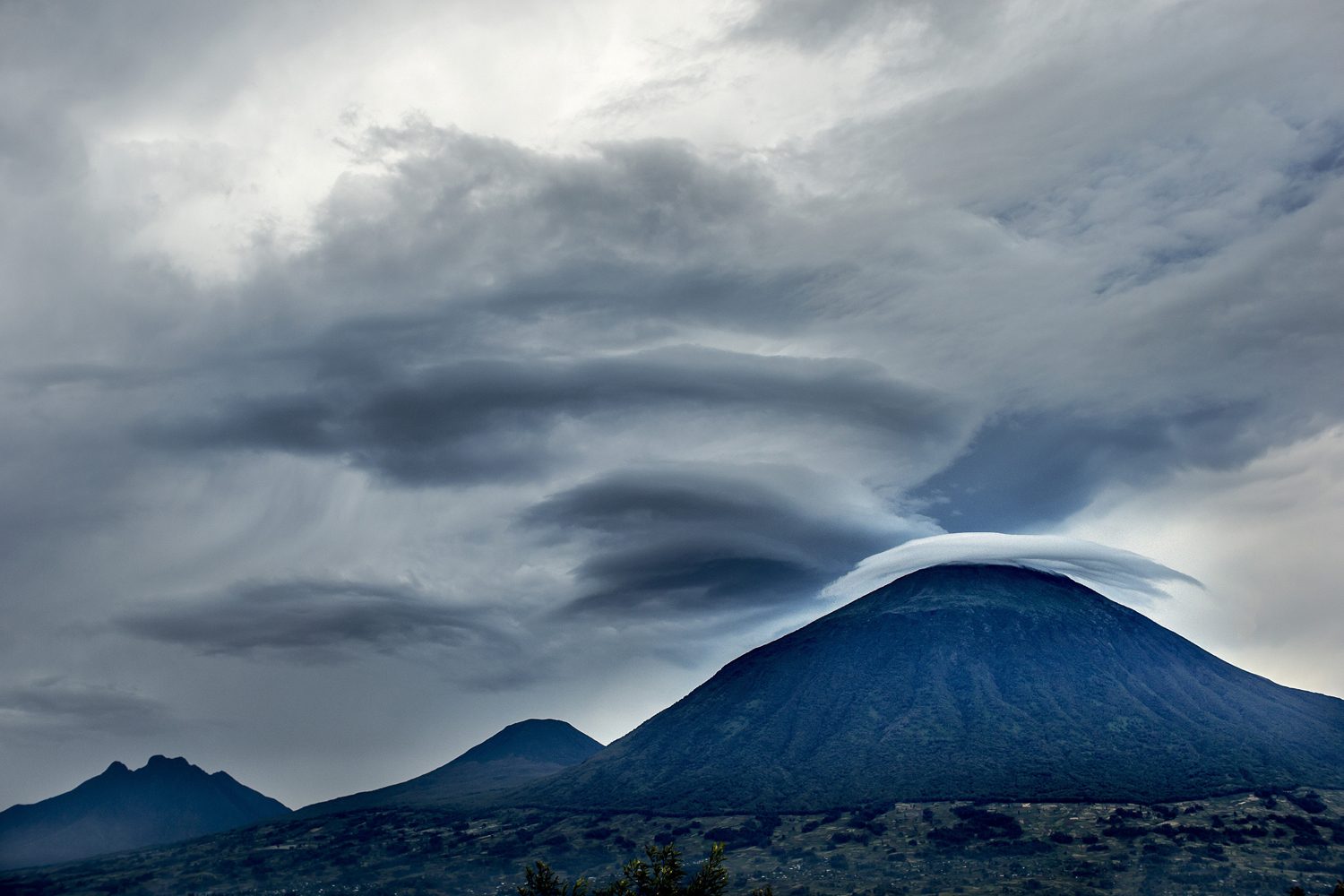
Birding in Rwanda: Rugezi Marsh and the Albertine Rift

Rwanda is one of Africa’s finest birding destinations, and its northern highlands hold one of the continent’s most unusual wetlands. The Rugezi Marsh stretches across a high plateau near the Ugandan border – a wilderness of papyrus, open water and floating islands where some of the most sought-after birding specialities in Africa make their home.

Rugezi is the heart of the Albertine Rift’s wetland birdlife: a place of grey crowned cranes, papyrus specialists and the occasional shoebill, wrapped in mist and silence. For birders it is unmissable; for everyone else it is simply one of the most atmospheric corners of Rwanda.

This guide explains what makes Rugezi special, the birds to look for, and how to plan a birding visit.

The Albertine Rift: Africa’s Bird Hotspot

The Albertine Rift – the chain of mountains, lakes and wetlands running along the borderlands of Rwanda, Uganda, Burundi and the Democratic Republic of Congo – is one of the most biologically important regions on earth. Its forests and wetlands support more endemic bird species than almost any comparable area on the continent: species found nowhere else on the planet.

Rwanda, at the heart of the rift, offers an extraordinary density of these rarities: forest endemics in Nyungwe and the volcano parks, savannah species in Akagera, and wetland specialists like those of Rugezi. A serious birding itinerary can tick off an enormous slice of the Albertine list in a single country.

Where Is Rugezi Marsh and What Is It Like?

Rugezi Marsh, Rwanda’s premier wetland birding site, lies in the far north of Rwanda, in the hills between Lake Burera and the Ugandan border, at an altitude of around 2,100 metres. It is a landscape of giant papyrus, lagoons and floating vegetation mats, fed by rivers draining the high volcanic plateau.

The marsh feels remote and untouched: on a misty morning, with cranes calling and the wetland stretching to the horizon, it could be a scene from an earlier Africa. It is a protected wetland of international importance – designated a Ramsar site – and a crucial store of water for the rivers that flow from these highlands towards the Nile.
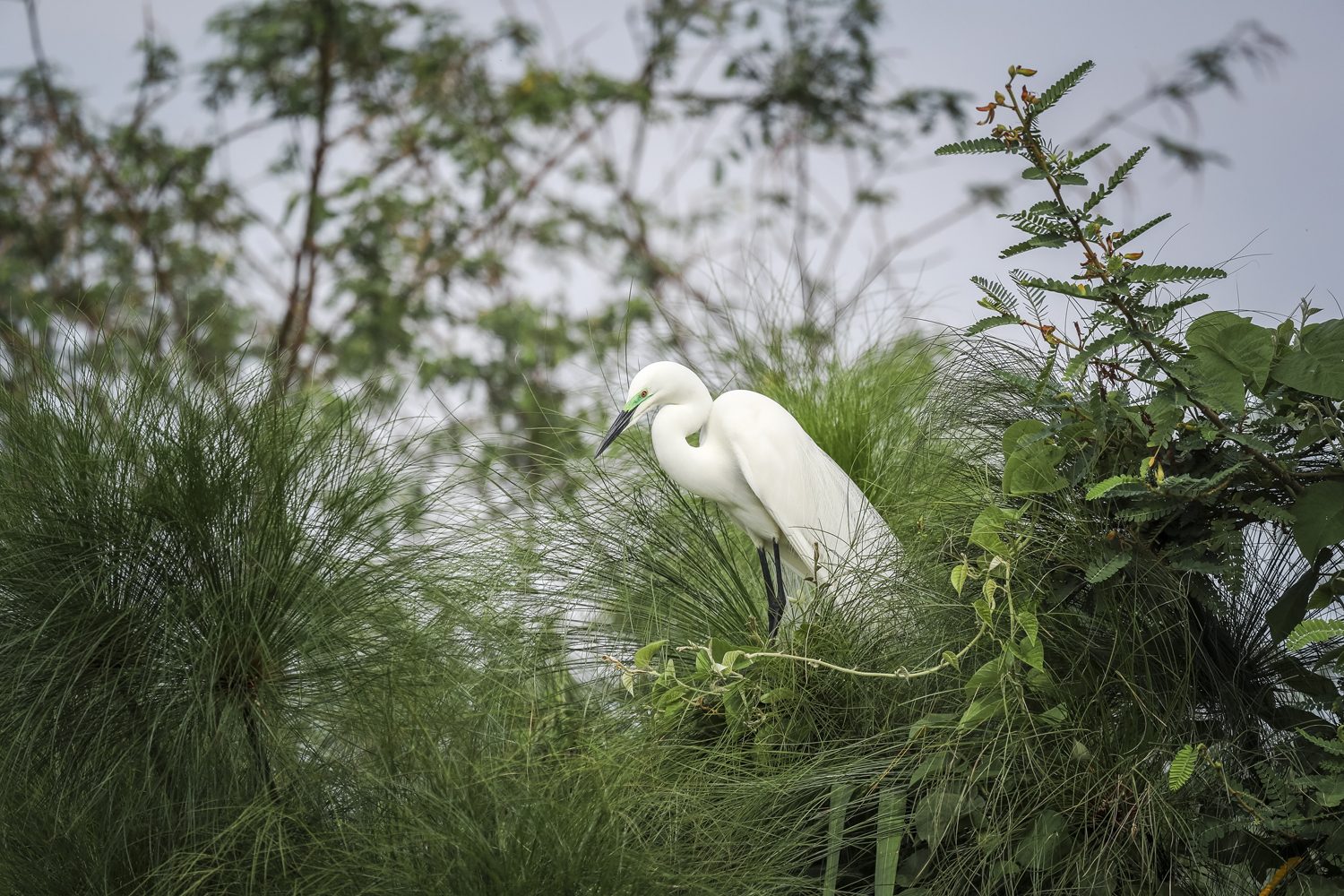
A wetland bird in flight over the papyrus of Rugezi Marsh

The Birds of Rugezi Marsh: Papyrus Specialists

Rugezi Marsh’s birding speciality is its papyrus-dependent birds. The papyrus gonolek – a black and crimson bird with a chattering song – is one of the most sought-after on the continent, and Rugezi is one of its strongholds, alongside the papyrus yellow warbler and the white-winged swamp warbler, all of which are restricted to papyrus wetlands across East Africa.

Over the open water and reed beds, watch for herons, egrets, ibises, cormorants and kingfishers, while the surrounding grassland adds wheatears, cisticolas and larks. The great prize is the shoebill – an enormous, prehistoric-looking bird that is occasionally recorded here – and a sighting of it is the stuff of birding legend.

The Grey Crowned Crane and Other Highlights

Rwanda’s national bird, the grey crowned crane, is a common sight around Rugezi, and no Rugezi Marsh birding morning is complete without it, its golden crown and elegant gait making it one of Africa’s most beautiful birds. Flocks of them move across the marsh and the surrounding farmland, and their calls carry across the wetland at dawn.

Beyond the birds, the marsh supports other wetland life: the secretive sitatunga antelope lives in the papyrus, otters fish the channels, and the reed beds shelter frogs and dragonflies in profusion. A morning here is a complete wetland ecosystem on display.

When to Go: Birding Rugezi Marsh by Season

The best months for Rugezi Marsh birding are the dry seasons – June to September and December to February – when the paths are firmer and the birds concentrate on the remaining water. Early mornings are essential: arrive at first light, when the marsh is at its most active and the mist adds drama to every view.

Birding is done on foot along the marsh edges, with a local guide who knows the territory, and from the viewpoints above the wetland. Bring binoculars, a scope if you have one, sturdy boots and patience – the shoebill, if it appears, will do so on its own schedule.
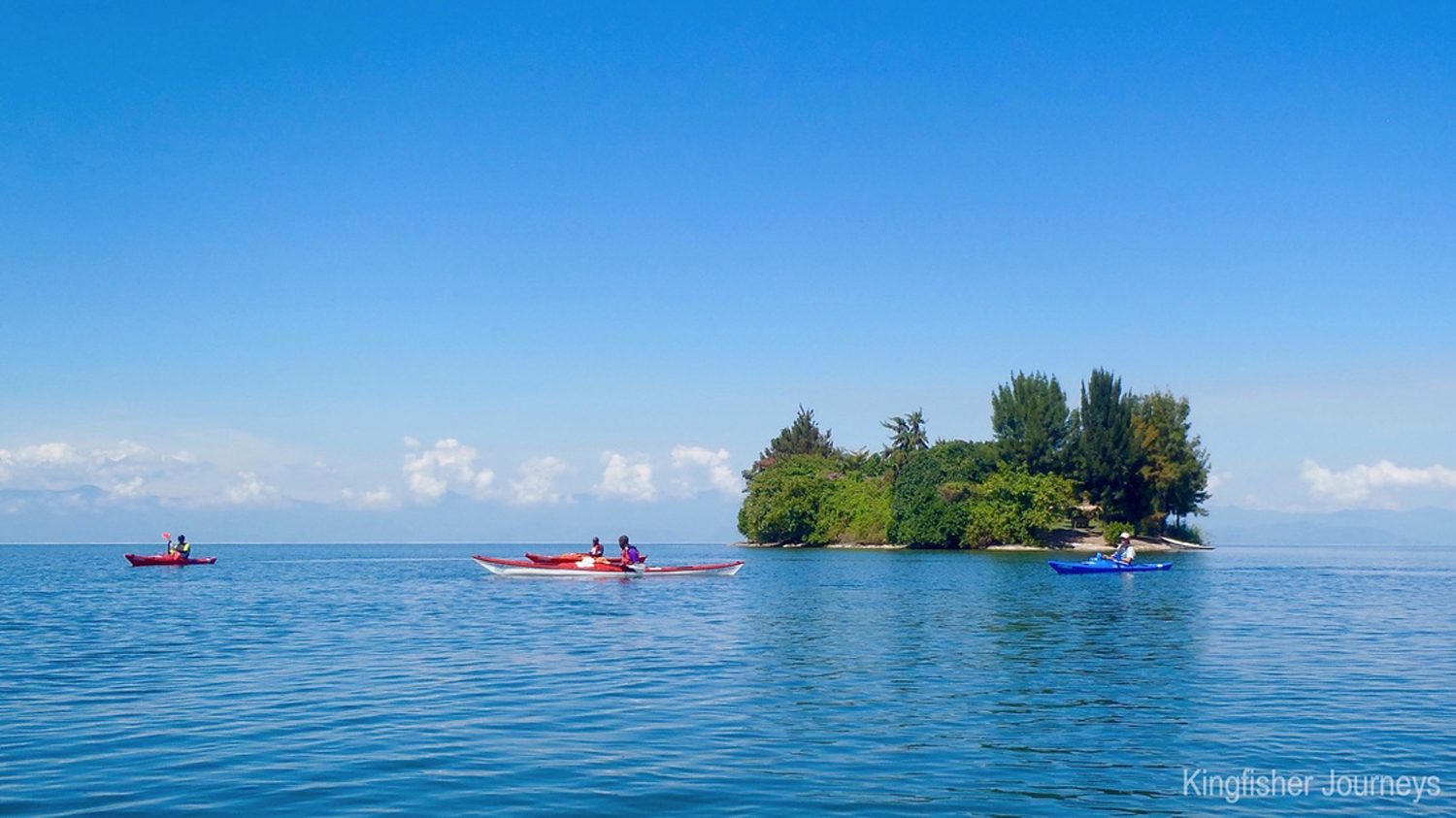
A kingfisher perched above the water of a Rwandan wetland

Practicalities and Where to Stay

Rugezi is an easy excursion from the north: roughly two hours from Kigali, and close to Musanze and the twin lakes of Burera and Ruhondo, which makes it an ideal addition to a gorilla itinerary. There are no formal park gates or fees; guides are arranged locally, and the marsh is best visited on foot with a local expert.

Accommodation is in Musanze or in the guesthouses around the twin lakes, and the marsh works perfectly as a half-day extension. It is a place for slow visits – the kind of birding where the list matters less than the quiet.

Why Rwanda, Why Now: A Birding Superpower

Rwanda packs an astonishing amount of bird diversity into a small country. In a single week a determined birder can move from the wetlands of the north through savannah and acacia to high-altitude forest, ticking off species that in most countries would require a multi-country tour. Geography is the secret: Rwanda straddles the Albertine Rift and sits close to Lake Victoria, gathering both endemic and widespread species.

The result is a birding country where the highlight list is long, from wetland papyrus specialists to forest endemics such as the great blue turaco, and Rwanda’s official tourism board lists the top sites for visitors planning a Rugezi Marsh birding trip. Beyond the marsh itself, the big open-country species of Africa’s savannahs. A skilled local guide is the difference between a good list and a great one – and Rwanda’s guides are among the best-trained on the continent.

So the answer to the question ‘is Rwanda worth a birding trip’ is the country’s landscape. Rugezi, combined with the northern forests and the lakes, makes a convincing argument that small countries pack the best birding into the shortest time.

The Wetlands Circuit: Birding Around Rugezi Marsh

The core of northern birding is a circuit that links Rugezi to the twin lakes and the shores of Lake Burera. It is a day’s drive between the sites; the circuit begins with Rugezi Marsh birding at first light, and together the stops deliver a cross-section of the region’s aquatic life: the papyrus wetlands of Rugezi, the open water of the lakes, and the grassy edges.

On this circuit, a single morning can produce cranes, herons, egrets and the papyrus gonolek, then a lakeside afternoon of ducks, grebes and waders, and a golden-hour shore where the fishing birds gather. It is the most relaxed birding in the country – no long drives, no permits, no hurry.

Because the wetlands are also water catchments, birding here is doubly worthwhile: the birds you record are indicators of the health of the marsh, and many local guides contribute to monitoring the very species you are hoping to find.

Field Gear, Timing and Good Birding Habits

Birding at Rugezi is a walking affair, and it rewards preparation. Good binoculars are essential – several of the specialities are small and active. A spotting scope helps over open water, and the mist and drizzle that play over the marsh call for a dry bag and a rain cover.

A full day of Rugezi Marsh birding rewards good boots and binoculars, and ethics matter here as much as fieldcraft: keep to the paths, avoid disturbing breeding birds, and let the guides hold their binoculars over yours before they move in. Rugezi’s birds are the product of generations of quiet coexistence, and they reward patience above everything.

Arrive early and stay quiet, and you will hear the marsh long before you see it. All good birding is a form of listening.

More Albertine Birds Worth Your List

If Rugezi is the star of the north, it is far from the only stage. Rwanda’s bird list for the Albertine Rift runs through a range of species that avid birders on wider trips will want to chase:

  • Great blue turaco – the poster bird of the mountain forests
  • Ruwenzori turaco – the rift’s green-winged endemic
  • Red-collared mountain babbler – a skulking forest speciality
  • Papyrus gonolek – the red-and-black gem of the marsh
  • White-winged swamp warbler – a papyrus specialist
  • Grey crowned crane – the nation’s national bird
  • Handsome francolin, shoebill on a good day

Between the marsh, the forest and the lakes, a full northern circuit can connect well over a hundred of these species into one list, and the birding will be remembered long after the last entry is ticked. For those chasing Africa’s great lists, Rugezi and the northern highlands belong on every itinerary.

A Rugezi Marsh Birding Morning, Step by Step

A classic Rugezi Marsh birding morning starts early – before first light from Musanze, or at dawn if you are staying nearby. Arrive as the sun clears the hills, and before you even lift your binoculars, listen: the marsh announces itself with the calls of cranes, weavers and the dawn chorus of the reed beds.

Walk the marsh edges with your guide as the light improves. Expect cranes in the open grass first, then the weavers and cisticolas in the reed margins, and finally – as the sun climbs – the papyrus specialists deeper in the wetland, where the gonoleks call from the thickets.

Mid-morning, settle at the open-water pools where herons, egrets and the occasional wader feed. A scope will earn its weight here, and patience may yet deliver the shoebill, ghosting through the channels like a memory of the ice age.

By eleven the marsh quietens as the heat builds. That is the moment to walk back, share notes with your guide, and plan the afternoon around the twin lakes or a slow lunch – a morning at Rugezi is complete, and it is already a story.

Where the Water Goes: Rugezi and the Nile

Rugezi is not only a home for birds; it is a working part of Africa’s water machinery. The marsh is a catchment on the northern plateau, and the rivers that drain it feed into the Nyabarongo system, the Kagera and finally the Nile. The water that rains on this wetland travels a long way downstream.

Wetlands do what reservoirs do, without a single dam: they store rain, filter it, and release it slowly, smoothing the flow of rivers through wet and dry seasons. Destroy a marsh and you get floods in the wet months and droughts in the dry ones – downstream, far beyond the marsh itself.

That is why Rugezi’s Ramsar status – an international designation for wetlands of global importance – matters. It puts the marsh under an international spotlight and commits Rwanda to keeping it whole.

For the visitor, this makes a morning here quietly profound: the birds you watch are citizens of a system that links Rwanda to Egypt, and the health of the papyrus is measured in continents.

Practical Notes: Getting There and Staying

Rugezi sits in the far north, around two hours from Kigali by road, and it is easily combined with a stay in Musanze or a day among the twin lakes. Rugezi Marsh birding needs no permits, only a guide and an early start: there are no gates, no ticket office and no formal paths, and the marsh is visited on foot with a local expert arranged through your operator or the guesthouses nearby.

Accommodation is simple and scattered: the hotels of Musanze make a comfortable base, the guesthouses around the twin lakes put you closer to the marsh, and a couple of small lodgings serve the immediate area. For a birding trip, staying near the lakes is the practical choice.

Bring the right kit: good binoculars, a scope if you have one, rain protection for the morning mist, and sturdy boots for the damp paths. Arrange your guide in advance, because the best birding knowledge in the region is held by people who are not standing at a ticket window.

Your operator can arrange the whole day – transport, guide and a plan that combines the marsh with the lakes or the volcanoes – and the 8-day safari routes of the north build birding time in naturally. The marsh deserves a morning; the northern circuit deserves a place in every serious birding itinerary.

Planning a Birding Itinerary Around Rugezi Marsh

Rwanda’s birds are best enjoyed across the whole country: wetland species in the north, savannah species in Akagera, and the forest endemics of Nyungwe and the volcanoes. The 8-day Rwanda best adventure safari weaves the country’s highlights into one itinerary, while the 2-day Akagera safari adds the lakeside birding of the east, where Akagera National Park boasts more than 500 recorded species.

A dedicated birding trip should give Rugezi Marsh at least a morning, and a local expert guide makes an enormous difference – the birds are here, but they are often hidden. Our team can help you design a birding-focused itinerary around Rugezi and the country’s other great sites; contact us and we will do the planning for you.
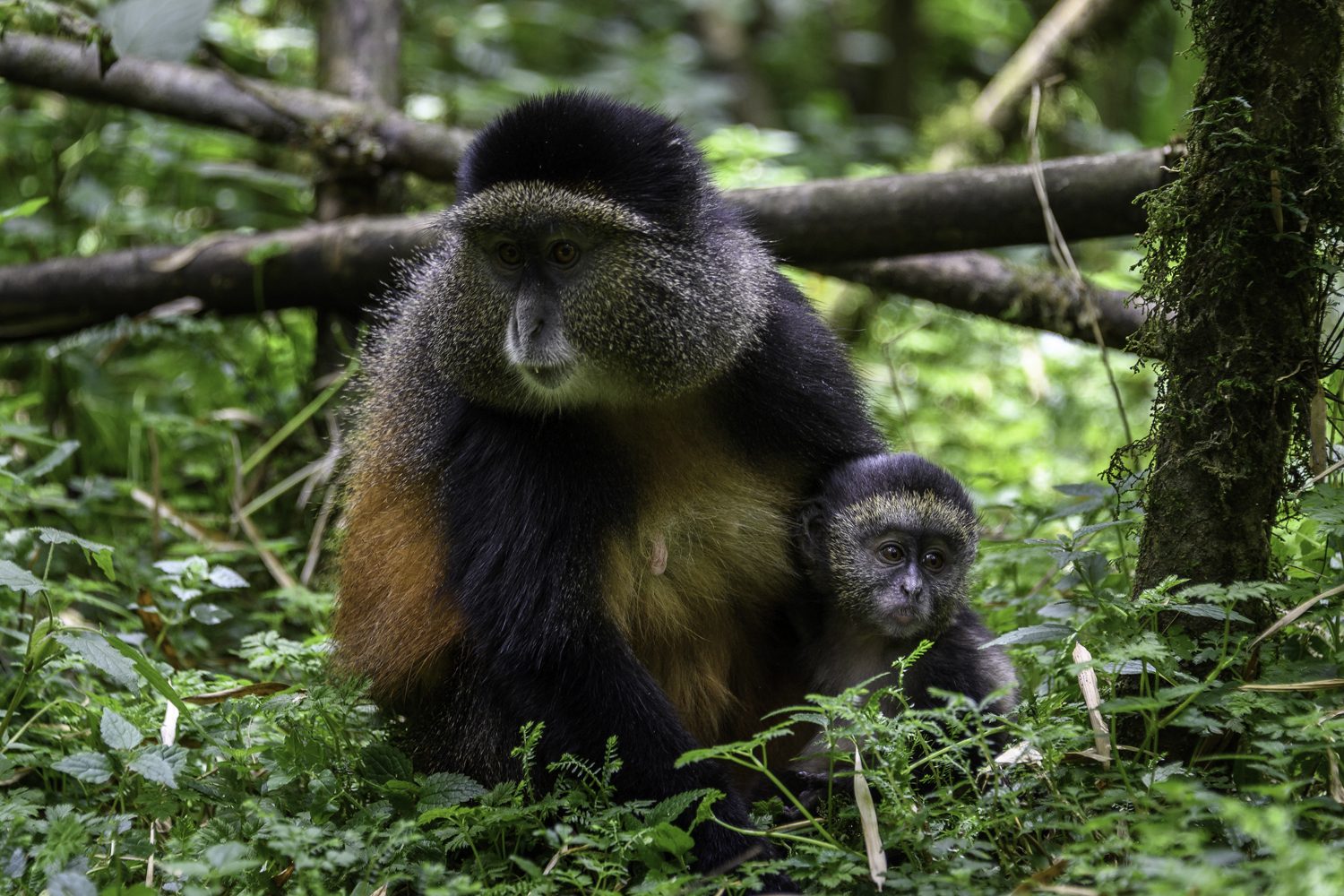
Gishwati-Mukura: Rwanda’s Newest National Park

Rwanda’s newest national park tells the most hopeful story in African conservation. Gishwati-Mukura National Park, gazetted in 2016, protects two fragments of montane rainforest in the country’s west – forest that was nearly destroyed, then painstakingly restored, and now shelters chimpanzees, golden monkeys and a host of birds found nowhere else on earth.

It is a small park by African standards, and one of the least visited in Rwanda – precisely the reason to go. Here, instead of queues, you will find forest trails, chimp calls echoing through the mist, and a conservation story you can walk through in a single day.

This guide to Gishwati Mukura National Park covers its history, its wildlife, its trails and the practicalities of a visit.

The Story of Gishwati Mukura National Park

The Gishwati forest was once part of a great belt of rainforest spanning the Congo-Nile Divide. In the 1980s and 1990s, resettlement and clearing reduced it dramatically – at its worst, Gishwati shrank to a fraction of its original size, a landscape of pasture and stumps where forest had stood for millennia.

Then the tide turned. A series of restoration initiatives – tree planting, erosion control, community engagement and, finally, formal protection – began to bring the forest back. In 2016 the government gazetted Gishwati and its neighbour Mukura as Gishwati Mukura National Park, and in 2020 the wider area was recognised as a UNESCO biosphere reserve. Today the forest is growing again, and so is the wildlife inside it.

Gishwati Mukura National Park: Two Forests, One Park

The park is really two distinct forest blocks. Gishwati, the larger and more accessible, sits on a rolling plateau above the tea country, its canopy broken by ridges and streams. Mukura, smaller and more remote, is a fragment of near-primary forest clinging to a steep ridge, darker and wilder.

Between and around them lies a landscape in recovery: young plantation trees, regenerating bush, and community farmland that is now being woven back into the forest edge. Walking the park is literally watching restoration in progress.

Forested hillsides of Gishwati Mukura National Park rising into the mist

Chimpanzees and Primates of Gishwati Mukura National Park

Notably, chimpanzees are the flagship residents of Gishwati Mukura National Park. A small community survives in Gishwati, and while tracking here is less predictable than in Nyungwe, the experience of hearing chimps in a forest that was nearly lost is powerful. The park’s chimpanzee programme includes habituation work and constant monitoring by dedicated teams.

The forests also hold golden monkeys, L’Hoest’s monkeys and several other primates, along with forest duikers and, occasionally, golden cats. In Mukura, the rare owl-faced monkey has been recorded. Every encounter here feels earned – there are no guarantees, which is part of the appeal.

Birds of the Albertine Rift

Gishwati Mukura National Park is a serious birding destination. The forest supports species typical of the Albertine Rift – the band of mountains and forests from which more endemic birds rise than almost anywhere else on the continent – including several that are hard or impossible to find elsewhere in Rwanda.

Bird surveys continue to add species to the park’s list; in addition, guided birding walks are among the park’s best activities. For birders who have already covered the classic Rwandan sites, Gishwati-Mukura offers something genuinely new.

Trails in Gishwati Mukura National Park

A network of trails has been developed for visitors, most of them starting near the park’s visitor centre on the Gishwati side. Short forest loops, longer hikes to the park’s high points, and waterfall trails take walkers through the regenerating forest, with guides drawn from the local community along the way.

A trail running through the green landscape of western Rwanda

Meanwhile, the hills around Gishwati Mukura National Park are equally worth exploring: tea plantations roll over the hills, coffee farms welcome visitors, and the views across the Congo-Nile Divide – and down towards Lake Kivu – are spectacular. A full day of forest walking followed by a lakeside dinner is a perfect Gishwati day.

Community and Conservation in Gishwati Mukura National Park

What makes Gishwati Mukura National Park special is how closely its future is tied to its neighbours. Reforestation here has gone hand in hand with community development – nurseries, cooperatives, beekeeping and jobs for local guides – so that protecting the forest pays the people who live around it.

Visitors contribute directly: entrance fees, guide fees and community projects, for example, all flow back into the landscape. The park is widely cited as proof that small protected areas can work when communities are partners rather than bystanders.

Practicalities and Getting There

Gishwati Mukura National Park lies in western Rwanda, about four hours by road from Kigali and within easy reach of the shores of Lake Kivu. Roads are good but winding, and the park is most often visited as a day trip from the lakeside towns, or as a stop on a cross-country safari.

Accommodation is simple – guesthouses and community camps around the forest – and there are no luxury lodges inside the park. That keeps the experience intimate and affordable. There are no gorillas here; the park’s entrance fees and permits cover the forest walks, and bookings run through the park office or licensed operators. Additionally, entry fees and trail news are published on the Rwanda Development Board’s park pages.

Restoration in the Field: Trees, Nurseries and People

Talk to anyone who works in Gishwati Mukura National Park and the conversation always comes back to the same thing: the nursery. These small greenhouses of seedlings – native trees raised in polythene bags and tended by villagers – are the physical engine of the park’s recovery. Every reforested stretch of hillside began as a tray of seedlings planted by a local hand.

The work is painstaking and highly localised. Instead of blanket planting, the restoration teams match species to microhabitats, close the gullies that push erosion, and let the regenerating natural forest do what it does best under the young canopy. Community members are paid, trained and monitored through the programme, so the planting is as much social enterprise as ecology.

For visitors, the nursery is where you can see – and, if you wish, join – the process. Some tours offer a seedling-planting moment, a small act that connects your visit to the forest’s future, and no one who plants a tree here forgets its name.

Coffee and the Taste of the Surrounding Hills

The hills around Gishwati Mukura National Park grow some of Rwanda’s finest coffee, and the park’s story is interwoven with the beans. The forests catch the rain that waters the hillsides of coffee and tea that ring the national park, and the farmers, careful of their water, have become among its most passionate guardians.

Visiting a local washing station gives you the full journey: red cherries picked at dawn, floated, fermented and dried on raised beds, and finally the green beans that find their way to roasters around the world. On the veranda of a station or the porch of a farm, with a view down the valley towards the lake, a fresh cup tastes like the whole landscape.

Buying coffee here – and taking home a bag – supports exactly the families whose stewardship keeps the forest healthy. It is the perfect way to make your visit to Rwanda’s newest park echo long after you leave.

Plan a Full Day: Trails, Timing and Details

Indeed, a proper visit to Gishwati-Mukura deserves a full day. Arrive at the visitor centre in the morning, join a guided forest walk on one of the short trails, and save the afternoon for the longer ridge paths, the views across the Congo-Nile Divide and a chance to spot the park’s wildlife.

Morning is best for chimpanzees and bird song, so build your walk early. Bring rain gear and warm layers; at these altitudes the mist comes quickly, and the trails are steep. An experienced local guide whose life and training are interwoven with the park will double the value of your hours.

If you plan to be here midday, the length of the walk, the availability of guides, and the best trails switch with the season – so chat to the park about what is on offer before you go. A flexible schedule around the forest pays dividends.

Why This Park Deserves Your Attention

However, Gishwati-Mukura will never have the queues of its neighbours, and it does not need them. For travellers who have done the Big Five and the great apes, it offers something rarer: a place where conservation is still being made, in real time, and where every visitor’s entrance fee and enthusiasm is part of the machinery of recovery.

It is also the most affordable and least prescriptive national park in Rwanda – you can shape a visit around a two-hour walk, a full-day trek or a community stay, and nowhere else will you feel the country’s story of restoration so personally.

Bring an open heart and a pair of binoculars, and leave the souvenir shelf in the visitor centre, walking with the knowledge that the forest you walked in today is larger than the one mapped by rangers a decade ago. Few experiences in Africa produce that feeling.

A Day at Gishwati: Sample Schedule

A well-spent day at Gishwati-Mukura has a clear rhythm. Morning: arrive at the visitor centre, join a guided forest walk on the short trails while the birds and any chimpanzees are still active. Midday: visit the community nursery and, if the timing works, plant a seedling of your own. Afternoon: take the longer ridge trail for the views, and finish with coffee at a local farm.

The park office will help you match walks to the season and your fitness; the short trails take one to two hours, the full-day ridge routes considerably longer. Morning walks are the best value for wildlife, so plan your arrival early.

If you want to include Mukura, the smaller sister forest, allow a separate day: it is more rugged, less visited, and the access road needs time and patience. It is a destination for the committed, and it rewards them deeply.

Pace yourself at altitude: the forest sits high, the air is thin and the climbs are steep. The views from the ridges – across the divide and down towards the lake – are the reward, and they are worth every step.

The Wider Picture: One Park Among Many

Gishwati-Mukura does not stand alone. It is part of a family of protected areas that runs the length of Rwanda, from the volcanoes and their gorillas in the north to the great forests of Nyungwe in the south and the savannahs of Akagera in the east. Each park is a thread, and together they weave the country’s natural heritage.

For conservation scientists, the park matters as a corridor test case: can a restored forest fragment, surrounded by farmland, survive and grow? The answer so far is encouraging, and the methods developed here are studied across the region.

Its biosphere reserve status reflects that ambition – not just protecting what remains, but rebuilding what was lost, and doing it with the communities who live alongside the forest. Researchers, rangers and villagers all appear in the park’s daily work.

Rwanda is small enough that no park is ever far from another, which is exactly why a conservation-minded traveller can visit several in one trip – and why each one matters more than its size alone.

What You Will Hear and See on the Trail

A walk in Gishwati is a conversation with a living forest. Within minutes of the trailhead you are inside the soundscape: the drip of water off leaves, the rustle of a duiker in the undergrowth, the fluted calls of birds you will never see, and – if you are lucky – the hooting of a chimpanzee announcing itself from a distant slope.

The trees themselves tell the story. Mature old growth stands tall where the forest survived, while shoulder-height pioneers mark the regenerating edges, and between them the guides read decades of effort in a single hillside. It is forest restoration made legible, kilometre by kilometre.

On the ridges, the view opens: gardens and tea plantations rolling away below, and on a clear day the distant glint of the lake reflecting the sky. The height lends the walk a sense of achievement that the steeper sections earn honestly.

Bring your patience and your senses. The forest does not cry out for attention the way the savannah does; it rewards the slow, the quiet and the curious – and it gives them back more than they brought.

Community Stays and How to Pack

To feel Gishwati Mukura National Park at its fullest, spend a night in the villages around it. Simple guesthouses and community camps offer clean beds, home-cooked meals of beans, potatoes and greens, and mornings that begin with the kettle and the forest mist. It is a humble, beautiful corner of Rwanda.

Pack practically: sturdy boots for the wet, rainforest trails, layered clothing for the altitude, a waterproof jacket, drinking water, and a small torch for the evenings. Leave the dress shoes at home; you will want everything hand-washable and quick-drying.

Mind your manners in the villages: ask before photographing people, greet in Kinyarwanda when you can, and take the offered coffee – it is the doorway to every conversation here. The welcome is open-minded and generous.

Spending locally is the point. Every guesthouse bed, every guide fee and every bag of coffee puts money into the households whose stewardship restores the forest – and a night here is, in its small way, part of the conservation story itself.

Why Visit Rwanda’s Newest Park

Gishwati Mukura National Park will probably never be Rwanda’s most-visited park, and that is its gift. Visitors come for the story – a forest brought back from the brink – and leave with the feeling of having witnessed conservation that is still happening, day by day, tree by tree.

It combines beautifully with the rest of the country: the chimpanzee tracking here is the wilder cousin of the Nyungwe experience, and Lake Kivu lies just down the hills. Our 2-day Nyungwe chimpanzee tracking safari is the classic way to see chimp country, and the Nyungwe National Park guide covers the neighbouring forest in detail. Our team can help you add Gishwati-Mukura as the wild card in your itinerary – contact us to plan a visit.

The Twin Lakes of Burera and Ruhondo

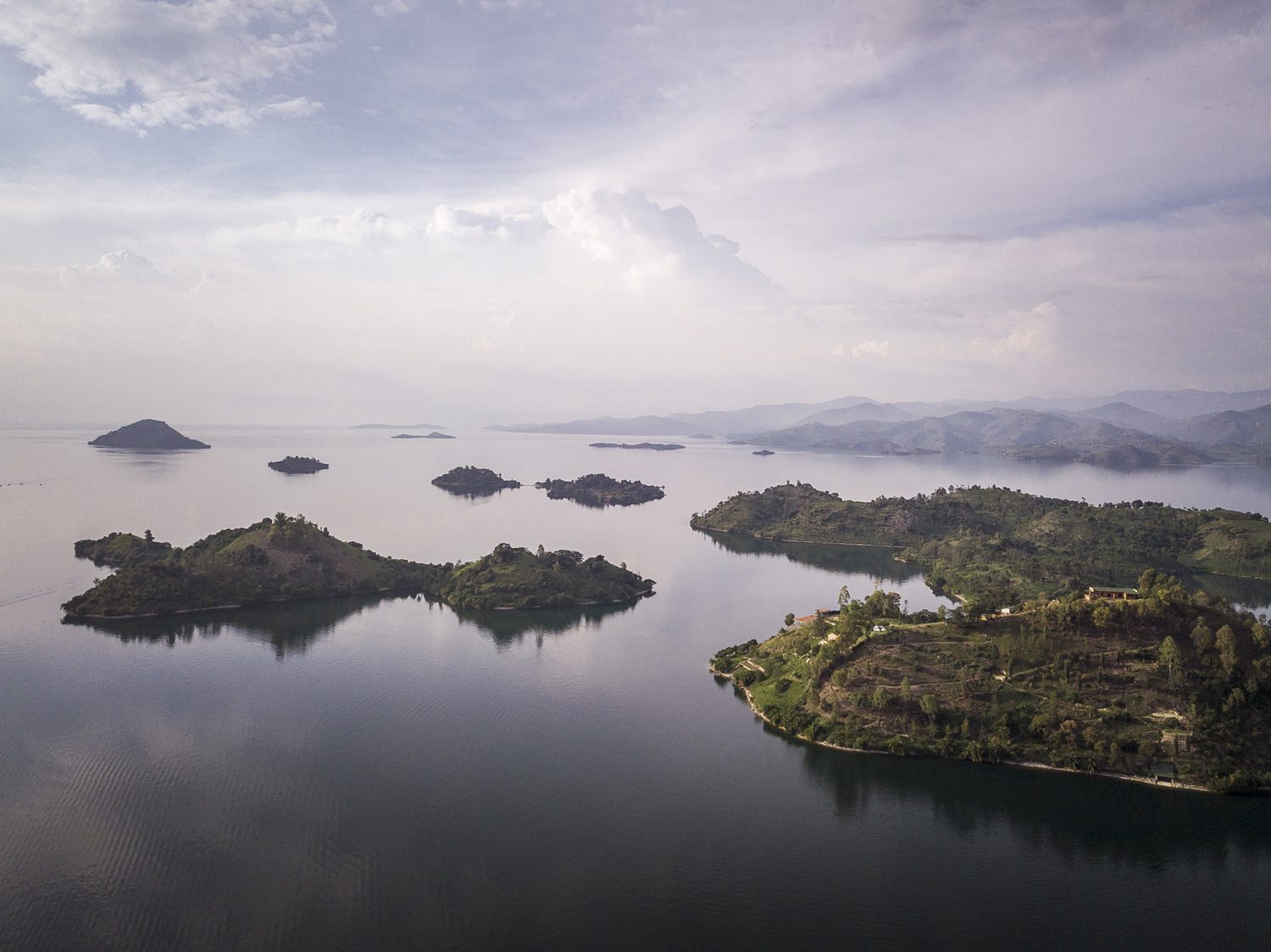
Two hours north of Kigali, beyond the town of Musanze, Rwanda hides one of its most beautiful landscapes. Lake Burera and Lake Ruhondo – the twin lakes – lie shoulder to shoulder in a high volcanic basin. Their waters are still, their shores terraced and green, and the volcanoes of the Virunga range rise in the distance. It is a place of deep calm and almost unreal scenery.

The twin lakes are one of Rwanda’s quiet corners. There are no crowds here, no queues and no entrance gates – just water, hills, fishing villages and the slow rhythm of lakeside life. For travellers moving between the gorillas and the rest of Rwanda, they are the perfect pause.

This guide covers what makes the twin lakes of Burera and Ruhondo special. It explains what to do there, and how to fit them into a Rwandan itinerary.

Twin Lakes Burera and Ruhondo: One Landscape

Lake Burera and Lake Ruhondo lie just north of Musanze, filling the valley between steep hills and linked by a short river channel. Together they form one of Rwanda’s highest and most photogenic lake systems. The lakes sit at around 1,900 metres, overlooked by the volcano peaks that give the region its drama. The Visit Rwanda tourism board promotes them as a hidden gem of the north.

The two lakes are distinct characters. Burera is the larger and wilder, its shore broken by coves and small islands. Ruhondo is smaller and gentler, ringed by terraced fields that step down to the water. Between them they create a landscape that feels made for postcards.

Islands scattered across the still waters of the twin lakes of Burera and Ruhondo

The View That Stops Visitors

The lakes’ defining sight is the backdrop. On clear days the Virunga volcanoes – Sabyinyo, Gahinga and Muhabura – rise across the northern horizon, their dark slopes layered behind the blue water. Sunrise over the lakes, with the peaks turning pink, is one of the most beautiful moments in Rwanda. Photographers will want to be up early.

Along the shores, everyday life provides the foreground: fishermen pushing out wooden boats, women washing clothes at the water’s edge, children waving from the fields. It is authentic, unhurried and endlessly watchable.

Boating on the Twin Lakes of Burera and Ruhondo

The lakes are working waters, and their fishing villages are the heart of local life. Traditional wooden boats – some paddled, some rowed, some motored – carry fishermen out before dawn. They return with tilapia and small fish that are a staple of northern Rwandan cooking.

Visitors can join a boat trip around the lakes, visit the villages, and – with a local guide – share in the rhythms of the fishing day. The lakes are also wonderful for kayaking. They have the same stillness and scenery that make Lake Kivu famous, but almost none of the company.

Birding Around the Twin Lakes of Burera and Ruhondo

The twin lakes and their marshy margins are rich in birdlife. Herons, cormorants, kingfishers and ibises fish the shallows, while the reed beds hold weavers and warblers. The nearby Rugezi wetlands, a short drive away, are among the best birding sites in the country. The lakes make a natural base for a birding morning.

The lakes also support a small population of sitatunga – a swamp antelope that lives almost invisibly in the papyrus – and otters are occasionally seen along the shores. For wildlife watchers, the appeal is the setting as much as the list.

Walking the Hills Around the Lakes

The hills above the lakes are criss-crossed with paths used by farmers and schoolchildren. Walking them with a local guide is one of the best ways to experience the area. The trails climb through banana groves and potato fields to ridge-top views where the lakes lie below like two sheets of polished metal.

Several community trails now run around the lakes, linking villages, viewpoints and picnic spots. Local guides are easily arranged through the guesthouses. A half-day walk is enough to fall in love with the place.

Where to Stay at the Twin Lakes of Burera and Ruhondo

Accommodation around the twin lakes is simple and community-based. Small guesthouses and lakeside camps have terraces over the water, local food, and hosts who are delighted to have visitors. It is a far cry from the luxury lodges of Musanze – and that is rather the point.

Most visitors come as a day trip from Musanze, but staying a night means dawn on the lakes. Dawn here is worth planning around. Simple, honest meals – grilled fish, potatoes, beans and bananas – are the menu, and they taste better with the view.

A Day on the Water: Boats and Kayaks

The greatest way to experience the twin lakes is from the water itself. Wooden fishing boats can be hired from almost any village along the shore. A slow afternoon voyage – past the reed beds, around the islands, threading between the working fishermen – is the essential twin-lake experience. There is no schedule to respect and no itinerary to follow. Your captain simply reads the wind and the light.

The twin lakes of Burera and Ruhondo reward slow travellers. In fact, a visit to the twin lakes of Burera and Ruhondo should include at least one hour on the water. The twin lakes of Burera and Ruhondo are still, green and quiet, and that stillness is exactly what most visitors are looking for.

Kayaking adds a quieter layer. Paddling at dawn, when the mist lies low over the water and the volcanoes glow pink above, is the single most beautiful hour in northern Rwanda. A local guide will take you out in a wide, stable boat. You will not be the first paddler to fall in love with this place.

A calm lakeside shore in the highlands of northern Rwanda

Those who prefer their feet dry can explore by road instead. A short drive circles parts of both lakes, and every bend reveals a new composition of water, terraces and peaks. Half the joy is stopping wherever the view stops you.

The Fisherfolk and Their Craft

The twin lakes are working landscapes first and tourist sites second, and that is precisely their charm. The fishermen of the twin lakes have plied these waters for generations. They push out before dawn in flat-bottomed boats and return in the afternoon with tilapia and the small silver fish that are salted and grilled across the north.

It is a craft built around the lake’s moods, and skill shows in the reading of clouds and water. Village by village, boats are mended on the shore, nets are hung to dry, and the day’s catch is sold straight from the beach. Visiting these communities quietly will be welcomed warmly – a smile, a greeting, and an interest in their work. It changes the meaning of the trip entirely.

Local guides, drawn from the same villages, can introduce you properly. They explain how the lakes were formed and how the families have passed down the craft. They also show how the twin lakes fit into the wider economy of the region, feeding families from Musanze to the capital.

Views That Reward the Early and the Lucky

The twin lakes are a photographer’s gift. Early morning, before the road fills, is when it happens. The light arrives low and golden, the mist lifts off the water in ribbons, and the volcano peaks catch the first red of dawn. Those who rise for it are rewarded with the picture postcard of a lifetime.

Midday brings a different beauty: flat, glassy water reflecting the hills in perfect blue. The late afternoon light sets the terraces alight and pulls colour out of the green hills as local boats cross the lake on their way home.

If you have only one session, make it the sunrise, from the northern end near the road to the foot of the volcanoes. The best vantage point is easily arranged with your host. The reward costs nothing but an early alarm.

Birdlife and the Wild Corners of the Twins

The margins of the twin lakes are alive with birds. Herons stand motionless in the shallows, and cormorants dry their wings on dead trees. Kingfishers dive with a glint of blue, and the reed beds thread with weavers and warblers. For a small area it is a surprisingly rich list.

The wetlands that connect the lakes to the nearby Rugezi marshes hold some of the region’s scarcest residents. A morning walking the marsh edges with binoculars can turn up the papyrus species that birders from across the world come to find. The presence of the sitatunga antelope, hidden in the papyrus, adds a touch of wilderness to the scene.

Because the lakes are little visited, the wildlife is comfortable – the birds let you closer than anywhere else, and even the scarcer species are easier to approach. A pair of binoculars and a full morning will easily be the highlight of your time here.

How the Twins Fit Into a Wider Itinerary

The twin lakes have been part of Rwanda’s story far longer than tourism, and that is reflected in their position at the heart of the northern tourist circuit. For visitors on any northern itinerary, the twin lakes of Burera and Ruhondo are an easy detour. They sit an hour from the gorilla park, two hours from Kigali, and within an easy day’s drive of the great forests and lakes of the west. That means they reward every kind of traveller, from the trek-tight schedule to the slow wanderer.

For those arriving from Uganda, the twins are the first landscape of Rwanda. For those leaving for the gorillas, an afternoon of boats and shoresides is the calmest way to pass a rest day. Rwanda’s itineraries are easy to adjust. Travellers who leave themselves flexible around the north rarely regret exchanging a museum hour for an hour on the water.

What the twin lakes offer, in a country of extraordinary sights, is the rarest quality of all: peace. Spend a morning, an afternoon or an evening among them, and you will understand why the people who live here consider themselves lucky. Quiet places get under the skin like nothing else.

Swimming, Fishing and the Slow Pleasures

The twin lakes are not a resort, and that is the secret of their charm. The swimming is lovely – clean, cool water at altitude, with no crowds – and the shallows near the villages are safe for children under a watchful eye. Pack a towel and nothing else; the lakes provide the rest.

Fishing is the other great lure. Locals will take you out on the morning rounds, show you how the nets are set and mended, and often grill the day’s catch for you on the shore. There is no pretension to it: just water, work and the honest taste of fresh fish.

For the truly idle, a hammock between two trees with a book and a view is a perfect afternoon. The lakes are among the few places in Rwanda where nothing is expected of you. The hours pass without complaint.

One full day of this – a swim, a boat trip, a grilled lunch, a long walk – is the best introduction. The twin lakes have a way of resetting travellers who arrive tired from the forests.

Seasons and Weather at Twin Lakes Burera Ruhondo

The twin lakes are lovely all year, but the dry seasons – June to September and December to February – are the most comfortable, with firm paths, blue skies and the clearest views of the volcanoes. This is when the waters sparkle and the roads stay dry.

The rainy months have their own beauty. The hills turn impossibly green, and the lakes go glassy between showers. The mist rolling across the water is the landscape at its most romantic. Few visitors come then, so you may have a whole shoreline to yourself – at the price of some mud and unpredictable showers.

At around 1,900 metres the climate is mild all year: cool nights, warm afternoons, and a light jacket needed after dark. Pack for both sun and shower, and you will be comfortable whatever the sky decides.

Because the lakes are informal, they are wonderfully flexible. A sunny afternoon is an invitation, a rainy one a permission slip for coffee and a book. Let the weather, rather than a schedule, decide your days.

Practicalities: Visiting the Twin Lakes of Burera and Ruhondo

The twin lakes of Burera and Ruhondo are easy to reach. You need about two hours from Kigali and barely thirty minutes from Musanze, along the road that heads towards the Ugandan border. There are no park fees and no fixed activities. Just show up, find a boat and a guide, and let the lakes set the pace.

The lakes combine naturally with a gorilla itinerary: a morning trek, an afternoon on the water, or a full day of quiet before heading south. They sit close to the Volcanoes National Park, whose fees are set by the Rwanda Development Board. The lakes slot easily into a 3-day Rwanda gorilla trekking safari with a little tailoring. For travellers who want Rwanda without the crowds, the twin lakes are the place to be. Contact our team and we will happily arrange the details.

Musanze: The Gateway to the Gorillas

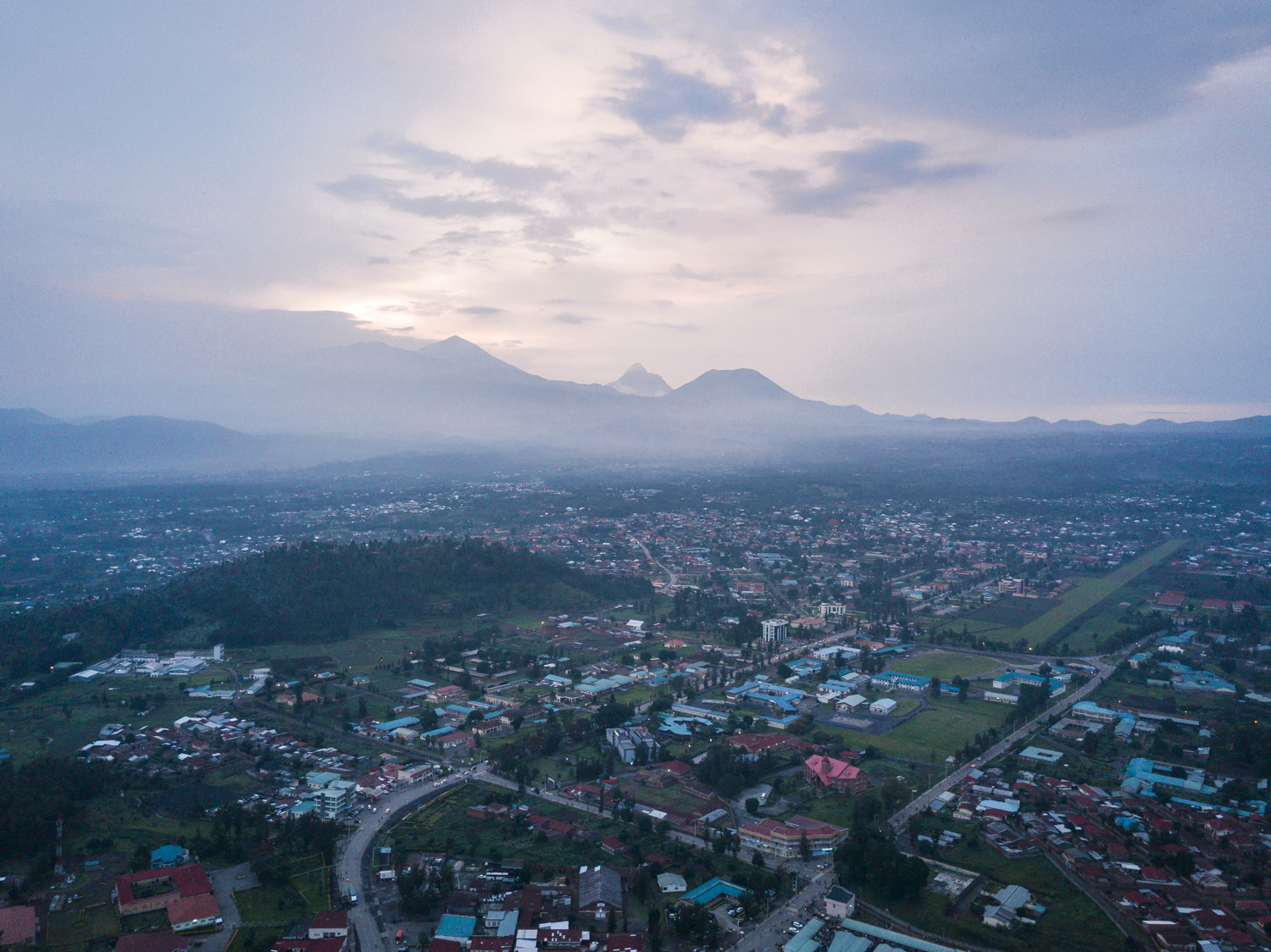
In the far north of Rwanda, at the foot of the Virunga volcanoes, lies Musanze – the town that everyone passes through on their way to the gorillas, and the town that almost everyone wishes they had stayed in longer. Known as Ruhengeri until 2006, it is the beating heart of Rwanda’s gorilla country, a lively market town with an extraordinary natural setting.

Musanze is the launchpad for Volcanoes National Park, the home of the mountain gorillas, and it is also much more: a gateway to caves, crater lakes, village communities and some of the most celebrated safari lodges in Africa. Almost every gorilla itinerary in Rwanda spends at least a night here.

This guide covers the town itself, its setting, its attractions and the practicalities of using it as your gorilla base.

Musanze is a town built around the gorillas, and understanding it makes the whole region click into place. This Musanze town guide covers the markets, the caves, the lakes, the food, the crafts and the practical details of your stay. Whether you are here for one night before the trek or a full two days, Musanze town rewards the traveller who lingers.

The Gateway to the Gorillas: Musanze Town

Musanze sits a short drive from the Kinigi headquarters of Volcanoes National Park, where every gorilla trek begins, and the park’s official website lists the day’s briefing times. The town exists for the trek, and its streets hum with safari energy from dawn. The town’s position – at about 1,800 metres, in the shadow of the mountains – makes it the natural base for trekkers, and its streets fill each morning with safari vehicles heading for the park gates.

For travellers, Musanze is where the adventure starts: a night here, an early breakfast, and then the drive into the mist. Our 2-day Rwanda gorilla trekking itinerary is built entirely around this rhythm, and the 3-day Rwanda gorilla trekking safari gives you extra time for the town’s other attractions. For a full introduction to the park itself, read our Volcanoes National Park guide.

The town of Musanze at sunset, seen from above

Musanze Town Setting: In the Shadow of Volcanoes

Every Musanze town guide starts with the setting, because no town in Rwanda has a more dramatic backdrop. The jagged peaks of the Virunga range – Bisoke, Sabyinyo, Muhabura and the rest – rise directly behind the town, their summits hidden in cloud on rainy days and lit gold at dawn on clear ones. The surrounding farmland, terraced up every hillside, is among the most beautiful in Africa.

Beyond the town, the landscape turns wild quickly: lava fields, crater lakes, bamboo forest and, above the tree line, the bare volcanic peaks. It is a setting that turns even the journey to breakfast into a photograph.

Musanze’s Market and Town Life

The Musanze town market is the classic place to experience everyday Rwanda. Farmers bring produce from the surrounding hills – beans, bananas, avocados, the famous local potatoes and the groundnuts that give the region its character – and the atmosphere is lively and friendly. A guided walk with a local resident is the best way to shop and to understand rural life.

Street life in the centre of Musanze town

The main streets are lined with shops, cafes and restaurants serving everything from grilled brochettes to excellent coffee, and the town has a relaxed, frontier feel – part market town, part safari hub, all energy. Evening finds locals and travellers alike at the town’s small bars and eateries.

The Musanze Caves

Just outside town lie the Musanze Caves, one of Rwanda’s most unusual attractions, and they are an easy trip from Musanze town between trekking days. Formed by lava flows from the volcanoes tens of thousands of years ago, the caves stretch for kilometres as a series of tunnels, chambers and narrow passages, cool and mysterious. Guided tours take visitors into the first sections, where bats wheel overhead and the rock tells the story of the region’s volcanic birth.

Inside the dark chambers of the Musanze Caves

The cave walk is easy and atmospheric, and its guides are drawn from the local community. Combined with a gorilla trek, a cave visit adds an extra dimension to the region’s volcanic story.

The Twin Lakes Near Musanze Town

Two remarkable lakes – Burera and Ruhondo – lie a short drive north of town, filling an ancient volcanic basin at the foot of the mountains, and they mirror the volcano peaks on clear days from a viewpoint just outside Musanze town. Their shores are ringed with fishing villages, and their still waters mirror the volcano peaks on clear days. Boat trips, fishing excursions and lakeside walks are all easy to arrange, and the lakes make a serene counterpoint to a day in the forest.

The lakes are little visited compared with the gorilla parks, which is exactly their appeal: quiet waters, friendly villages and some of the most beautiful scenery in Rwanda, an hour from the trekking gates.

Village Communities and Culture

The hills around Musanze town are home to the communities whose land borders the national park – and whose support is essential to the gorillas’ survival. Community tourism here is exceptional: village walks, cultural performances, homestead visits and craft cooperatives all give visitors a genuine welcome while putting money directly into local hands.

Initiatives such as the Iby’Iwacu cultural village, which employs former poachers, are among the most successful community tourism projects in Africa. Spending an afternoon with these communities is one of the most memorable parts of a gorilla safari.

Where to Stay in Musanze Town

Accommodation in Musanze town spans every budget, from friendly guesthouses to luxury hillside lodges. In town, comfortable hotels and guesthouses put you steps from the market and the restaurants. On the surrounding hillsides, some of Africa’s most celebrated lodges – built from volcanic rock and natural materials, with floor-to-ceiling views of the volcanoes – offer the full luxury safari experience.

Most visitors balance the two: a budget-friendly night in town before the trek, or a splurge on a lodge with a view. Whatever you choose, book early – Musanze’s rooms fill quickly in the high season, and the full range of options is listed on Rwanda’s official tourism board.

What to Eat in Musanze Town

Musanze town is the food capital of northern Rwanda, and its strength is honest mountain cooking. The staple is the region’s famous Irish potato, grown in the volcanic soils just outside town, accompanied by beans, plantains, sweet potatoes and the ubiquitous green banana mash. Grilled brochettes – skewers of meat or fish sold on street corners – are the classic evening snack.

Breakfast in Musanze means a hearty plate of eggs, chapati and fruit before the long trekking day, and there is no shortage of cafes serving excellent Rwandan coffee to go with it. For the adventurous, local bars keep the banana beer tradition alive, a cloudy, sweet brew that has been part of social life here for centuries.

With the trekking season in full swing, the town’s restaurants are geared to hungry visitors, and the menu runs from fried tilapia at the lakeside to impressive Italian-run pizza kitchens. It is the kind of small-town food scene motoring on the strength of its own produce – and eating well here is part of the pleasure.

Rural Hills and the Life Around Town

Beyond the shop fronts, Musanze is a working town surrounded by some of the most productive farmland in Rwanda. The hills that surround it are some of the most productive farmland in Rwanda, terraced up every slope and passed through generations of the same families. Walking out from town with a guide takes you into a world of garden plots, cow paddocks and market gardens where almost everything you eat grows next door.

This is also where the potato economy underpins everything else: the trade in seed potatoes, the cooperatives that bottle, sort and sell, and the markets where farmers arrive at dawn with sacks. It is a rural life that tourists rarely see between trekking days, and it repays a morning – sunrise on these terraces, fields laid out like a green quilt, is one of the views of Rwanda.

Community tourism complements the gorilla economy, and a half-day with a local family – cooking, farming, schooling the children – is quickly one of the most enriching parts of a trip.

Bringing Home Rwanda: The Crafts of Musanze

Musanze makes an excellent place to shop. The town’s markets and the cooperatives in the surrounding villages sell the crafts that define Rwandan art-making, from the woven agaseke baskets and beaded jewelry to the complex geometric imigongo wall art that has become a national emblem.

Buying here means buying straight from the makers, and a quiet morning in a village workshop near Musanze town – watching a woman weave a basket over three days as she talks about her children – is worth more than any shop window. Prices are honest, the quality is real, and the money goes directly to families.

So if you want to take Rwanda home with you, the first place to look is the hills around Musanze. Coffee, tea and a small basket of potatoes are the edible souvenirs; the baskets and art are the ones you will be asked about for years.

Planning a Day in Musanze Town

A well-planned Musanze town day rolls treks, caves, lakes and dinner into a smooth rhythm. Arrive a day before your gorilla trek to settle in, book early breakfasts for trek mornings, and keep the afternoon after your trek flexible – the golden monkeys are the easy follow-on, and the caves work on any day the park gives you a rest.

The twin lakes of Burera and Ruhondo run a full day for anyone who has the patience for a slow morning on the water, and there is always the market, community walks, or simply the town’s main intersection, where the street life of Rwanda’s most famous safari town plays out in front of you.

Thus a day in Musanze is a day at the foot of the giants, steps from the greatest wildlife destination the country offers. Build the rest of your northern Rwanda itinerary around subtle flexibility and a willingness to be delightfully delayed – the town rewards those who relax into it.

The Journey North: Kigali to Musanze

The road from Kigali to Musanze town is one of the finest two hours in Africa. It climbs out of the capital through hillsides of tea, coffee and terraced farmland, past market towns and valleys, before the first dark ridge of the volcanoes appears ahead – the moment every traveller remembers. It is the journey that marks the real beginning of a gorilla safari.

The highway is smooth, wide and well maintained, and most operators arrange comfortable transfers with driving done for you. For budget travellers, shared buses run from the capital’s Nyabugogo station to Musanze through the day, and the trip is a genuinely sociable Rwandan experience.

Time it well: leave Kigali early and you will have the whole afternoon in Musanze before your trek – a market wander, a cave visit, a lakeside sunset. Leave late and the first day disappears in the car. The road rewards an early start, when the light on the tea is at its best.

Stop where the view demands it. The tea-plantation viewpoints between the hills get their spot in every good itinerary, and the first clear sight of the volcanoes – Bisoke, Sabyinyo, Muhabura – is worth pulling over for.

A Sample Two Days in Musanze Town

A sample two days in Musanze town leaves room for everything: day one, arrive in the early afternoon, settle into your hotel, and spend the remaining hours at the market, the caves, or a village walk. Dinner in town – brochettes, coffee dessert – and an early night, because the next morning you will rise before the sun.

Day two: gorilla briefing at Kinigi, a trek that may last from one to several hours, and the hour with the family that you came for. Back in the afternoon, tired and blissful, with a celebration dinner and a long sleep in the mountain air.

With a third day, choose your reward: the golden monkeys, the twin lakes, a second volcano hike, or a slow morning of coffee and market. The region rewards travellers who add one flexible day beyond the trek.

Whatever the shape, keep the sequence gentle: the trek is the physical summit, so plan nothing heavy for the night before, and so the town’s cafes and sunset drinks can follow it as they should.

Markets, Produce and the Rhythm of the Streets

Musanze’s market is the town’s heartbeat. On market days the lanes fill with sacks of Irish potatoes, beans, bananas, avocados and garlic, and the farmers who grew them rise before dawn to claim their pitches. It is a vivid, friendly, and deeply human place – and the best window into how the region actually works.

The potato is the star. Musanze sits in Rwanda’s potato heartland, and the market sorts by size, variety and seed quality with a seriousness that could charm even the most urban visitor. Follow the produce, and you follow the story of the north: work, weather and the land’s generosity.

Come on a market day and shop without hurry; greet, smile, and buy a few things to snack on. The traders are used to visitors on safari errands, and a little genuine curiosity buys an awful lot of good conversation.

Evening, the streets take over: fried snacks, grills and coffee, and the long evening light over the volcano ridge. It is a small town with a big appetite for life, and the best way to be here is simply to be present for its days.

Musanze Town Practicalities: Getting There and Around

The town is about two hours by road from Kigali along a smooth, scenic highway, with regular buses and private transfers, and both the Rwanda Development Board and local operators publish the latest guidance. Within the town, moto-taxis and hired cars handle everything, and most lodges run their own transfers to the park. The town’s altitude keeps it cool, so pack layers and rain gear for both the trek and the town.

Plan your permits before you arrive – our gorilla permits guide explains the booking process, and our team can arrange everything from the permit to the porter. However long you stay, Musanze will be the base from which Rwanda’s greatest wildlife experience begins.

Kigali City Guide: What to Do in Rwanda’s Capital

Most visitors to Rwanda arrive in Kigali city and leave the same day for the forests of the north. That is a mistake. Kigali city is one of the most interesting, safest and most pleasant cities in Africa – a city of green hills and wide streets, of poignant memorials and world-class food, and a place where the story of modern Africa is being written.

People call Kigali the cleanest city in Africa, and the reputation is deserved: it is safe to walk at night, welcoming to strangers, and endlessly photogenic. Whether you have a single day before a gorilla trek or a weekend at the start of a long safari, the city deserves real time.

This guide covers the essential sights, the best food, the neighbourhoods worth exploring and the practicalities of a Kigali visit. For official listings and events, check Rwanda’s official tourism board.

The City of a Thousand Hills

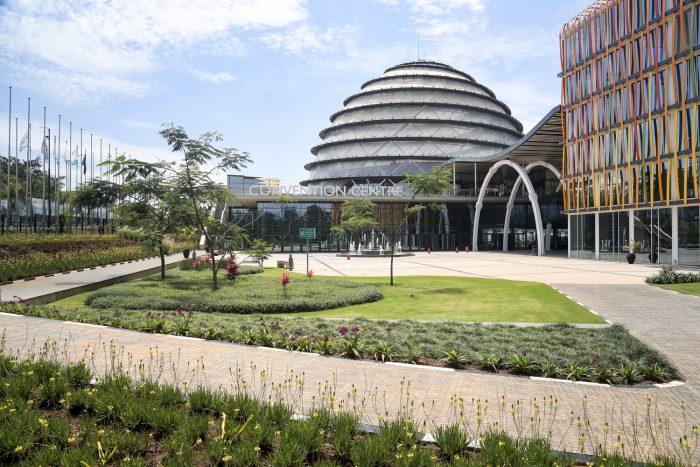
Kigali climbs across a dozen hills, its neighbourhoods spilling down the slopes in a tangle of roads, stairways and bougainvillea. The city centre, around the landmark Kigali Convention Centre with its distinctive dome, is the modern face of Rwanda – glass buildings, smart hotels and a confident skyline – while older quarters like Nyamirambo keep the city’s soul.

The hills themselves are the city’s signature view. Lookouts at the top of the city’s ridges show green valleys, red-tiled roofs and the haze of the countryside beyond – a landscape that explains why visitors fall for Kigali within hours.

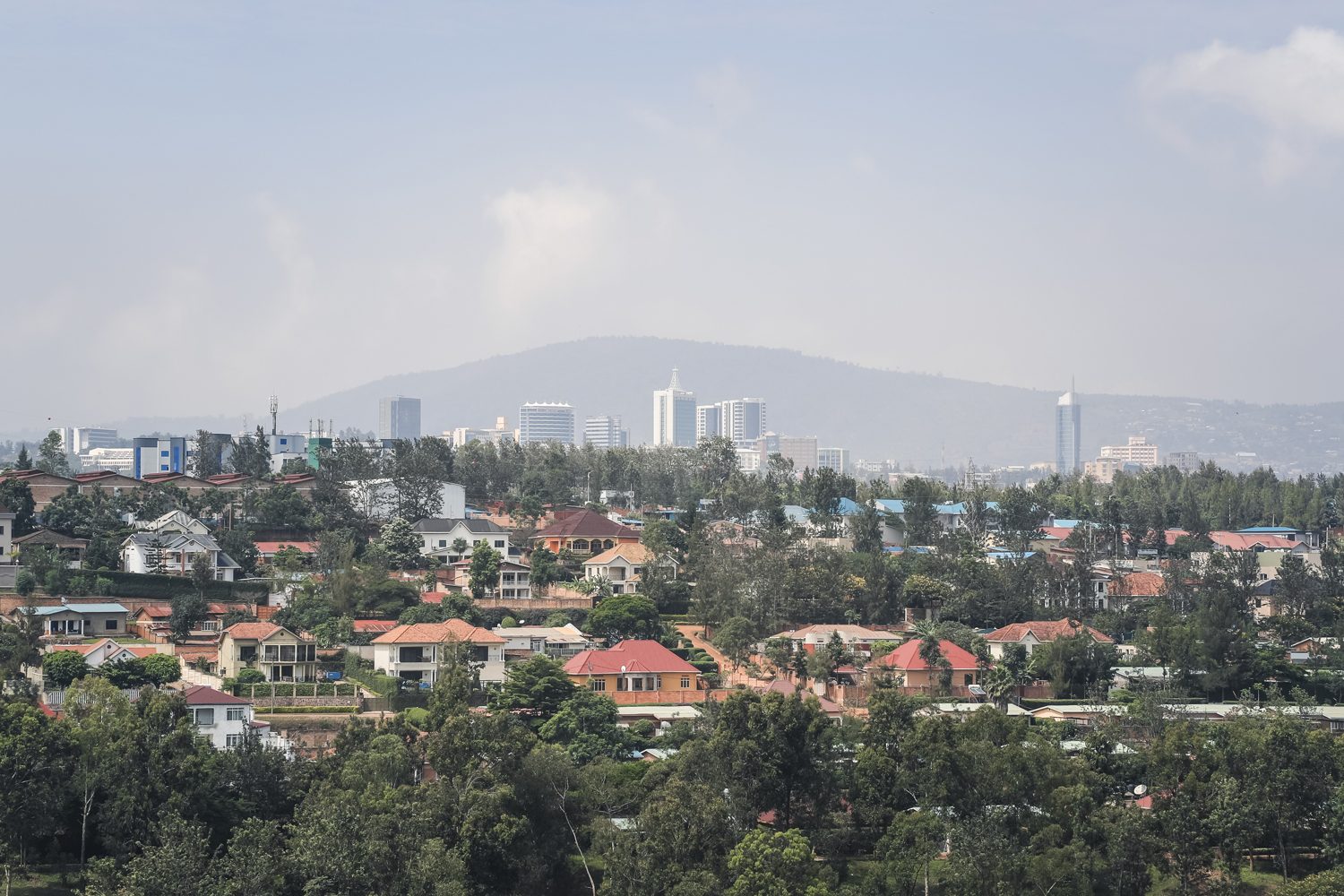
The Kigali city skyline rising above the hills of the capital

Kigali City Sights: The Genocide Memorial

No visit to Kigali is complete without a visit to the Kigali Genocide Memorial, the city’s most important and most moving site. Located in Gisozi, it is the final resting place of more than a quarter of a million victims of the 1994 genocide against the Tutsi, and its exhibitions tell the story of what happened with clarity, dignity and hope. The memorial gardens, with their roses and mass graves, are a place for quiet reflection.

The visit is intense – allow at least two hours – and is widely regarded as one of the most profound museum experiences in the world. It is also a story of recovery: the memorial and the city around it stand today as a living commitment to reconciliation and to never again.

More Memorials and Museums

The genocide memorial is not Kigali’s only history. The Campaign Against Genocide Museum, near the parliament buildings, tells the story of the liberation of the city, while other sites across town offer further context on Rwanda’s recent past. Together with the genocide memorial, they give visitors a fuller picture of what the country has been through and where it is going.

For a lighter change of pace, Kigali’s art scene is thriving. Galleries and studios across the city – many of them in the Nyamirambo and Nyarugenge neighbourhoods – showcase contemporary Rwandan art, from vibrant paintings to recycled-metal sculpture, and are wonderful places to meet local artists and buy original work.

Kigali City Markets, Crafts and Shopping

Kigali city is a great place for shopping, especially for crafts. The capital’s markets are a riot of colour and commerce: Kimironko Market is the place for fruit, spices and everyday Rwandan life, while craft markets and cooperatives sell the country’s famous agaseke baskets, geometric imigongo art and beaded jewellery.

Buying directly from cooperatives is the best way to shop – the money goes to the makers, and the quality is superb. A guided market walk is a safe, fun way to start, and the busier markets expect bargaining.

Where to Eat and Drink in Kigali City

The restaurant scene in Kigali city is one of the best in East Africa, ranging from street-side brochettes to elegant fine dining. Local dishes are the place to start: isombe (cassava leaves), ibitoke (plantains), grilled fish and hearty stews, washed down with a cold local beer or a cup of Rwanda’s famous arabica coffee – which is genuinely some of the best in the world.

Coffee culture has exploded in Kigali, with specialty roasteries and cafes on nearly every hill, and the city’s bars and live-music venues make for a safe and lively night out. Friday nights, when much of Kigali heads out, are a particular experience.

Kigali City Neighbourhoods to Explore

Meanwhile, Nyamirambo, the city’s oldest quarter, rewards exploration: its guided walking tours – run by a local women’s cooperative – take you through markets, courtyards and historic streets, and are among the best experiences in the city. In the centre, the area around the convention centre is perfect for museum-hopping, while the hilltop neighbourhoods offer views and the city’s classic architecture.

Everywhere, the city’s calm order makes walking feel safe and easy. Kigali is also famous for its car-free days, when central roads close to traffic and the city fills with runners, cyclists and families – a monthly festival of the city’s extraordinary civic pride.

Day Trips from Kigali

In addition, Kigali makes an excellent base for excursions. The National Museum of Rwanda in Huye (formerly Butare) – the country’s best ethnographic museum – is a couple of hours’ drive south, while the royal palace at Nyanza offers a glimpse of the old kingdom. Closer still, coffee tours and community walks in the surrounding hills fill a day easily.

For wildlife, Akagera National Park is a short drive from the city and works well as a full-day safari from Kigali, and the international airport makes the capital the natural start and end point for any Rwandan adventure.

The Kigali Convention Centre with its distinctive dome

The Capital That Remade Itself

Kigali’s story explains everything about its present. A trading post established in 1907, it became the capital at independence in 1962 and grew quietly for three decades. Then, in 1994, the genocide against the Tutsi tore through the city, and within a few years a new generation began rebuilding it with astonishing speed and purpose.

The result is visible on every street. Clean, ordered, carefully planned, Kigali has become a symbol of post-conflict renewal, a city that treats its appearance and its reputation with obvious pride. The civic order is visible too – litter is collected, plastic bags are banned, and car-free days make Kigali feel like a city that exercises.

Visiting Kigali is therefore more than a sightseeing trip. It is a chance to see what leadership, reconciliation and civic energy can build in a generation – and to understand the Rwanda of today. It is, in many ways, one of the most quietly inspiring places on the continent.

Green Hills, Parks and Views of Kigali City

Kigali is a city designed by its landscape. From the airport hill, the road drops into a bowl of green, and almost every neighbourhood delivers a viewpoint where the ravine falls away and the skyline of the CBD rises in the distance. Also, the city is compact enough for a day of guided walks and short drives.

For green spaces, Kigali does not disappoint. The city’s parks, the gardens of the memorials and the hillside woodlands around the smarter suburbs are popular with joggers and families, and there are walking trails whose views rival any countryside on the continent. On Sunday mornings, the hills are full of joggers – one of the healthiest city scenes you will find anywhere.

Look for the viewpoints at sunset: the golden light across the valley, with the hills stacked like a green amphitheatre, is the image most visitors carry home from Rwanda’s capital.

Kigali City Hotels and Where to Rest

Kigali’s accommodation ranges from luxury brands and boutique hillside hotels to clean, friendly guesthouses that give you a genuine neighbourhood welcome. Most visitors on a gorilla itinerary stay in the central business district, close to the restaurants, museums and the new convention centre; budget travellers find excellent value in the suburbs.

Whatever your budget, book at least one dinner with a view. Several of the city’s hotels sit on hilltops with terraces overlooking the valley, and evening light over Kigali, with a drink in hand, is one of the least expensive luxuries in Africa.

For those starting a safari, most operators offer a Kigali night before or after the bush, which doubles as acclimatisation for the altitude of the west and a first taste of the country – a good reason not to rush past the capital.

Money, Connectivity and the Details That Matter

Kigali city is one of the easiest African capitals to visit, and entry is simple through the Rwanda Development Board. English is widely spoken – with French and Kinyarwanda – and the currency, the Rwandan franc, is easy to handle. Moreover, ATMs are plentiful, most restaurants and shops accept cards, and a modest amount of cash will cover markets, taxis and tips.

Finally, the city has excellent mobile coverage, good 4G and a growing number of hotels, so staying connected is simple. Traffic is busy at rush hour and moto-taxi is the quickest way around, but for a visitor the walk is often best: the city is small, climbable and interesting on foot.

Whatever your length of stay, the golden rule of Kigali is the same as the golden rule of Rwanda: travel slowly, meet people, and let the city’s calm disarm you. It is definitely worth more than a single-night transit.

A Day in Kigali: How to Structure It

With one full day in Kigali, start early. Morning: the Kigali Genocide Memorial, which deserves at least two unhurried hours and quiet afterwards. Lunch in the city centre – the area around the convention centre is dense with cafes and restaurants. Afternoon: a museum, an art gallery, or the craft cooperatives where you can shop with the makers. Evening: a rooftop drink or a dinner that shows off the city’s dining renaissance.

With a second day, slow down. Spend the morning at Kimironko Market, where the fruit, spices and textiles bring all of Kigali to a single street, and the afternoon in Nyamirambo on a guided walking tour. It is the kind of day that costs little and stays with you for years.

However, for a more relaxed version of the city, skip the museums and spend a day drifting: coffee in the morning, a hilltop view at midday, a crafts cooperative in the afternoon, and the sunset from one of the city’s lookouts. Kigali rewards those who give it a day to be enjoyed rather than ticked off.

Whatever your balance, the city repays structure: book the memorial and any guided tours ahead, and leave space for the unexpected market, the street murals and the conversations that Kigali seems to offer up freely.

Kigali’s Evenings: Lights, Music and the Night Out

Kigali comes alive after dark in a way that surprises most visitors. The city is famously safe, and its evenings are a calm and convivial affair: rooftop bars with valley views, live-music venues where the sound is a blend of Congolese rumba, and jazz, and the city’s own confident modern scene.

Diningwise, the range is superb: a local kitchen doing brochettes and isombe, a bright bistro, a dinner spot with a view over the hills. Many restaurants take reservations in the evenings and, at weekends, tables fill early – so book ahead if you have your heart set on a particular restaurant.

Fridays are the big night out across the city, and the energy is young and friendly. The dress code is casual but smart, the security is visible, and the atmosphere is one of a city that has every right to celebrate itself.

For families, Kigali’s evenings work differently but just as well: early dinners, dessert cafes, and the city’s streets, safe for walks and ice cream. Whatever your style, do not skip the city’s evenings; they are part of its personality.

Car-Free Days and the City’s Civic Heart

Kigali’s pride shows itself in public. On the first Sunday of each month the city closes its central roads to traffic for the famous car-free day, and the streets fill with a river of runners, cyclists, roller-skaters and families. It is a joyful, welcoming spectacle – free fruit at the roadside, music, and a city turned, for a morning, into a park for its people.

The last Saturday of the month brings the quieter counterpart: umuganda, the community work morning when citizens sweep streets, plant trees and repair public spaces together. It is a volunteering tradition with deep roots, and its visible results – spotless avenues, manicured verges – are part of why Kigali is the cleanest capital in Africa.

Visitors are quietly welcomed to join in both. Showing up to run on car-free day, or greeting the umuganda crews with a smile, is a small act of respect for the city’s most distinctive institutions.

These traditions, more than any monument, are Kigali’s spirit: a city that believes public life is a shared project. Spend a Sunday here and you will leave understanding why Rwandans speak of their capital with such pride.

Practicalities: Getting Around, Money and Staying Safe

Kigali is easy to navigate. Moto-taxis are the quickest way across the hills, car hire with a driver is affordable, and ride-hailing apps work well. English, French and Kinyarwanda are all widely spoken, credit cards are accepted at hotels and restaurants, and cash (Rwandan francs) is useful for markets and taxis.

Safety is one of Kigali’s great assets: the city is exceptionally safe by world standards, and visitors routinely walk alone at night. Most gorilla itineraries start and end here, and our 3-day Rwanda gorilla trekking safari includes a night in the capital, as does the 2-day Rwanda gorilla trekking package for those in a hurry. Talk to our team about building Kigali time into your trip – the city is worth more than a transit lounge.

Lake Kivu Travel Guide: Beaches, Islands and the Congo Nile Trail

Rwanda may be famous for its mountains, but its most unexpected treasure is a lake. This Lake Kivu travel guide is your key to it. Lake Kivu stretches along the country’s entire western border, a vast inland sea of deep blue water set against the green hills of the Congo-Nile Divide. With its palm-lined beaches, its scattered islands, its fishing villages and its world-class trail, it is the place where Rwandan safaris slow down.

For travellers, Lake Kivu is many things at once, and this Lake Kivu travel guide treats the lake as a destination in its own right: a beach destination, a water-sports playground, a cultural heartland and a place of remarkable calm. It is also the perfect antidote to the intensity of gorilla trekking. A few days of sun, water and long lunches after the forests of the north. Our Lake Kivu destination guide is a good starting point for the essentials.

This guide covers the lake’s geography, the lakeside towns, its beaches and islands, the Congo Nile Trail and how to plan your visit.

Lake Kivu: A Travel Guide to the Lake That Looks Like a Sea

Lake Kivu is one of the largest lakes in East Africa, around 2,700 square kilometres of water straddling Rwanda and the Democratic Republic of Congo, with most of the Rwandan shoreline running through the country’s west. Its waters are deep, in places close to 500 metres, and its surface sits at a breathable 1,400 metres above sea level, which keeps the climate mild and the air fresh.

The lake fills the valley of the Western Rift, walled in by steep hills that plunge straight into the water, giving it a coastline of dramatic beauty. It is also a geologically active lake, underlain by volcanic rock and dissolved methane. A quirk that has made it a pioneer in green energy projects but leaves its surface untroubled and calm.

Lake Kivu travel guide hero image: islands and water seen from above

Lakeside Towns and Travel on Lake Kivu: Rubavu, Karongi and Rusizi

Rwanda’s side of the lake is dotted with towns, each with its own character. Rubavu (also known as Gisenyi) at the northern end is the lake’s classic resort town. Bougainvillea, sandy beaches, colonial-era buildings and a weekend buzz. Its beachfront is the place to swim, paddle and watch the sun set over the island of Idjwi.

Karongi, in the middle of the lake, is quieter and more scenic. The lakeside town with islands on the doorstep and the best access to the lake’s star attractions. Rusizi (also called Cyangugu) at the southern end is a working border town with a wilder, more remote feel. Between them, smaller villages offer coffee farms, fishing ports and community projects.

Beaches and Water Sports: A Travel Guide to Lake Kivu

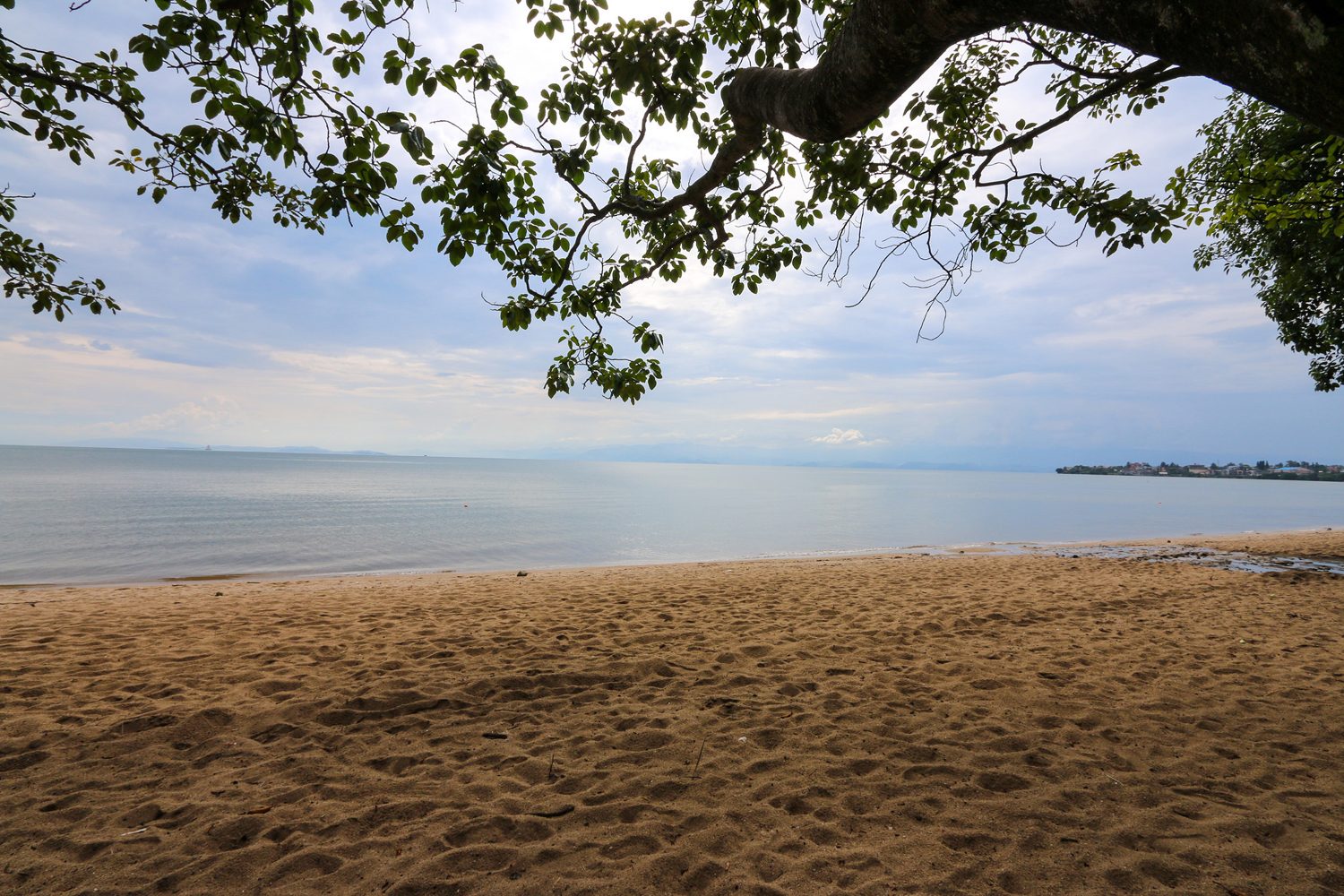
Lake Kivu is one of the few large African lakes where swimming is genuinely enjoyable: its water is clean, clear and free of the bilharzia that affects many other lakes on the continent. The beaches at Rubavu and Karongi are the main hubs, with sunbeds, lakeside restaurants and a relaxed, family-friendly atmosphere.

The palm-fringed beach at Rubavu on the shores of Lake Kivu

Kayaking has become one of the lake’s signature activities, and no Lake Kivu travel guide would be complete without its water sports. Paddling along the shore at dawn, past fishermen casting nets and kingfishers diving into the water, is an unforgettable way to see the lake. Stand-up paddleboarding, swimming tours and boat trips to the islands are all easy to arrange on the spot.

Islands: A Highlight of the Lake Kivu Travel Guide

Scattered across the lake’s mid-section are dozens of islands, most of them uninhabited or home to tiny fishing communities. The best-known is Napoleon Island, where tens of thousands of fruit bats stream out of the forest at dusk. A spectacle that has to be seen to be believed. Nearby, Amahoro Island offers beaches and a community lodge built by former refugees.

Island hopping deserves its own page in any Lake Kivu travel guide. It is usually done from Karongi with boats and guides arranged locally. A half-day trip takes in two or three islands, with swimming stops, picnics and long views across the water. And, on a clear day, the volcanic peaks of the Virunga range far to the north.

The Congo Nile Trail: A Travel Guide Along Lake Kivu

One of East Africa’s great multi-day adventures runs the entire length of the Rwandan shoreline. For hikers and cyclists the Congo Nile Trail is the longest chapter in the Lake Kivu travel guide. The Congo Nile Trail. Roughly 227 kilometres from Rubavu in the north to Rusizi in the south. Was developed as a cycling and hiking route. It has become a bucket-list trip for active travellers. The trail climbs and dips through terraced hillsides, tea plantations, rainforest edges and villages where the welcome is unforgettable.

A cyclist on the Congo Nile Trail above Lake Kivu

Cyclists typically take four to seven days, with nightly stops at simple guesthouses and community camps built for trail travellers. Walkers can take the same route at their own pace. Along the way the trail delivers some of the finest scenery in Rwanda: the blue lake below, the green mountains above. The Democratic Republic of Congo shoreline on the far side.

The Singing Fishermen and Lake Culture

Life on Lake Kivu revolves around fish, and a Lake Kivu travel guide that missed the singing fishermen would miss the lake’s soul. The lake’s famous singing fishermen. Crews who row out at night beating the water and singing in rhythm, then return at dawn with the catch. Are part of the lake’s living heritage. Watching them is one of its most atmospheric experiences.

Singing fishermen at work on the waters of Lake Kivu

The lake’s culture also includes coffee, one of Rwanda’s great exports: plantations and washing stations around Karongi and Rubavu welcome visitors. A coffee tour is a perfect half-day activity. The people of the lakeshore. Fishermen, farmers, boat builders. Are famously hospitable. Community tourism initiatives offer homestays and village walks.

Best Time to Visit and Practical Travel on Lake Kivu

The lake is at its best in the dry seasons, from June to September and December to February, when the water is calm and the sun reliable. Seasonal conditions are summarised by Rwanda’s official tourism board, which also lists the lakeside events calendar. The rainy months bring greener hills and quieter towns. The lake remains a year-round destination for swimming and kayaking.

There are no entry permits for the lake itself, and activities are easy to arrange on arrival. Choose a base that matches your style: Rubavu for beaches and nightlife, Karongi for islands and scenery, the trail for adventure, and build in a day or two of pure relaxation. Malaria precautions apply in this lowland area.

Getting Around Lake Kivu: Travel and Practicalities

Lake Kivu is served by good roads on the Rwandan side, and the two main resort towns are easily connected: Rubavu in the north, around two and a half hours from Kigali. Karongi below it, a scenic drive of about two hours further south, with Rusizi a while beyond that. Private hire with a driver is comfortable and affordable. Shared taxis link the towns for budget travellers.

On the water, motorboats connect the main towns and islands, while the lake itself is calm enough for kayaks and the small fishing pirogues that ferry locals between the shores. For cyclists, the Congo Nile Trail doubles as a slower, richer way to travel the whole coast. Many visitors break it into stages with overnight stops in the villages along the way.

Rwandan time works in your favour here. Distances are short, so a lake holiday can be exactly as active or as lazy as you like. And because the towns are small, you will quickly fall into local rhythms of market days, sunrise swims and early nights.

Coffee, the Taste of the Lakeshore

The hills above Lake Kivu grow some of Rwanda’s most celebrated coffee. The lake itself is threaded through the story of that success. Around Karongi and alongside the trail north, washing stations welcome visitors to watch the whole journey, from cherry sorting and fermentation to drying on raised tables, and to taste the difference that altitude and care make in the cup.

Sitting on a plantation veranda with a lakeside view, a fresh cup of Rwandan arabica in hand, is the kind of moment that turns a holiday into a story. The coffee economy also puts money into the same communities whose hillsides you have been photographing. Buying beans to take home supports farms directly.

If coffee is not your drink, the lakeside offers plenty more to savour: fresh fish grilled beside the water, local beans and plantains. Cold beers served with a view that makes every evening feel like an occasion.

Where to Stay on Lake Kivu: Travel Tips

Where to stay depends on your style, and this Lake Kivu travel guide covers every budget: accommodation around the lake ranges from elegant lakeside hotels with infinity pools to simple guesthouses, community camps and homestays run by local families. In Rubavu, the historic boulevard is lined with lodgings within a short walk of the beach. In Karongi, the hillside slopes are scattered with chalets that frame the islands and the sunset.

For travellers who want the lake to be a loop, the Congo Nile Trail’s camps offer the most authentic overnight. Raised tents, bunkhouses or dormitories above the water, run by villagers, with home-cooked dinners and the sound of waves as the lullaby.

Wherever you land, book ahead at weekends and holidays, when Rwandan families flood to the lake to swim. Ask your host about local boatmen and kayak rentals. The best experiences are rarely bookable online and often arranged over breakfast.

Health, Safety and the Opposite of Worry

Lake Kivu is a gentle lake, and responsible travel takes little effort. The water is safe to swim along the main beaches, life jackets are carried on all the boat trips. The main safety advice is common sense: don’t swim alone far from shore, don’t drink the lake water. Respect the local safety advice of your boat crew.

The lake is a friendly water, but the highland sun is strong: pack good sunscreen and a hat for the boat decks. Apply malaria precautions as you would for any lowland Rwandan destination. The towns are safe, the people are welcoming. The greatest risks to your itinerary are the temptations to stay another day.

Three Days on Lake Kivu: A Sample Travel Itinerary

Three days is enough to know the lake properly, and this mini Lake Kivu travel guide itinerary shows why. Day one: arrive in Rubavu, swim and paddle in the afternoon. Watch the sun go down over the water with a cold drink at the beach. Day two: drive south to Karongi in the morning and spend the afternoon island-hopping by boat, with a swim stop and a picnic. Day three: visit a coffee farm, kayak the calm morning water. Drive home or continue south with a full heart.

With four or five days, add stages of the Congo Nile Trail. A cycling morning between villages and an overnight at a community camp make a perfect addition. Finish with a slow day at Rusizi in the south, where the lake and the forest meet. The longer you stay, the deeper the lake’s rhythm enters your bloodstream.

For families, the gentle version works beautifully: swimming mornings, boat picnics at noon, early dinners. The joy of a beach that belongs to nobody in particular. The lake is one of the easiest destinations in Africa for travelling with children.

Note the driving times: Kigali to Rubavu is around two and a half hours, Rubavu to Karongi around two. Karongi to Rusizi a little more. The distances are small. Is precisely why the lake feels like a holiday rather than an expedition.

The Far Shore and the Island of Idjwi

From Rubavu’s beaches you can see a long dark line on the western horizon. The island of Idjwi, the second-largest freshwater island in Africa. Belongs to the Democratic Republic of Congo. The border runs through the middle of the lake. For travellers the sight of Idjwi is a daily reminder of how shared this great water is.

Crossing to the Congolese shore requires border formalities and should never be done casually with local boatmen. The lake crossing for tourists is normally arranged through formal channels and only when it is safe and sensible. On the Rwandan side, though, the communities of the shore are open and welcoming. Their villages. Boat builders, fishermen, market women. Are a highlight of any stay.

The lake’s history is deep and human: colonial explorers arrived in the 1890s. For a century the water served as frontier, marketplace and meeting point. Today the shore is a borderland at peace. Its energy is the energy of trade, laughter and ordinary life.

For visitors, the far shore is best appreciated from the Rwandan side: a sunset view of Idjwi, a story from a local boatman. The quiet satisfaction of having seen one of Africa’s great lakes at its most alive.

Combining Lake Kivu with the Gorillas

Lake Kivu sits naturally on the route between the volcanoes of the north and the rainforests of the south-west. Whatever direction you travel, the Lake Kivu travel guide advice is the same: slow down.. Makes it a perfect middle act on a cross-country safari. Many travellers trek the gorillas, then unwind on the lakeshore before heading south to Nyungwe. A pattern captured in our 6-day Rwanda gorilla trekking and Lake Kivu safari.

Others finish their whole Rwanda trip here, trading the forest for the beach and the trekking boots for a kayak. For those who want to see the country from the air as well as the water, our 9-day Rwanda luxury flying safari makes a superb fit. Whichever way you plan it, leave yourself time to slow down. The lake has a way of making schedules disappear. Our team can help you choose the right lakeside base and build the lake into your itinerary.

Nyungwe National Park: Africa’s Oldest Rainforest

In the far south-west of Rwanda lies one of the most remarkable forests on earth. The mountains of the Congo-Nile Divide stand against the sky there. Nyungwe National Park protects a vast swathe of ancient montane rainforest. Often described as the oldest rainforest in Africa, it has survived for millennia. It outlasted the ice ages and the shifting climates of the planet. Today the forest shelters chimpanzees, colobus monkeys and hundreds of bird species. A canopy walkway hangs suspended high above the forest floor.

Nyungwe is Rwanda’s best-kept secret in plain sight. This is a forest of waterfalls and mossy trails. Mist curls through the trees at dawn, so the air stays full of bird song. For many travellers it is the second great primate destination after Volcanoes National Park. It is the place to go looking for chimpanzees.

This guide covers the park’s natural history. It explains the chimpanzee tracking experience, the famous canopy walk and the trails. In addition, it covers the practicalities of planning a visit.

Where Is Nyungwe National Park and Why Is It So Special?

Nyungwe National Park lies in Rwanda’s Western Province, roughly five to six hours by road from Kigali. Indeed, it sits on the watershed between the Nile and Congo river basins. This position makes it one of the most biologically significant forests in Africa. The park’s official site details trails, permits and seasonal news for planning. The park covers close to a thousand square kilometres of rainforest. It is one of the largest surviving blocks of montane forest on the continent. Its altitude ranges from around 1,600 to nearly 3,000 metres, which creates an extraordinary range of habitats. Meanwhile, our Nyungwe National Park destination guide is a useful quick reference for planning.

The forest has been growing here for a very long time. Many tropical forests retreated during the ice ages, but Nyungwe stayed forested for tens of thousands of years. It remains a living link to an ancient Africa. That long history explains its astonishing biodiversity. As a result, the forest holds more than a dozen primate species and around 300 species of birds. Countless orchids, ferns and flowering plants grow nowhere else on earth.

Aerial view of the misty rainforest canopy of Nyungwe National Park

Chimpanzee Tracking in Nyungwe National Park

In fact, Nyungwe National Park is one of Africa’s most reliable places to track wild chimpanzees. Guides have habituated a community of forest chimpanzees over many years. Treks leave in the early morning with experienced guides and trackers. They follow the chimps’ calls and trails through the forest. Encounters never come with a guarantee, because chimps move fast and cover huge distances. However, Nyungwe’s trackers are among the best on the continent.

The trek itself is a proper rainforest adventure. The trails are steep and muddy, and the forest is full of sound. You will hear hooting chimpanzees, the calls of hornbills and water dripping from the leaves. When you catch up with the group, you may watch for an hour. You might see grooming, feeding and play-fighting. Meanwhile, you witness the complex social lives of our closest relatives.

Chimpanzee tracking has a daily cap, just like gorilla trekking. You must arrange a permit in advance through a licensed operator. Moreover, officials strictly control the numbers. Our 2-day Nyungwe chimpanzee tracking safari packages the trek with accommodation and the park’s other highlights.

The Canopy Walkway in Nyungwe National Park

Nyungwe National Park’s canopy walkway was the first of its kind in East Africa. This suspended bridge of steel and rope stretches some 160 metres. It hangs high above the forest floor in the crown of the ancient trees. Walking it is both a thrill and a revelation. The rainforest canopy is a world of its own. Monkeys leap between branches there, and sunbirds flash through the light.

Visitors walking the famous canopy walkway above the Nyungwe rainforest

The walkway sits on the Igishigishigi Trail, a short walk from the main road. You can easily combine it with other forest trails. For many visitors it is the most memorable image of the whole forest. It looks like a slim line of steel hanging in a sea of green. Meanwhile, the mist of the Congo-Nile Divide drifts through the trees.

A Forest of Thirteen Primates

Nyungwe’s primate list is one of the richest in Africa. The Angola colobus is the most spectacular of all. These grey-and-white monkeys move through the canopy in groups of 300 to 400 individuals. That makes them among the largest troops of any monkey species on earth. Red colobus monkeys swing through the branches in striking red coats. Besides the colobus, L’Hoest’s monkeys, blue monkeys and golden monkeys live here too. The rare owl-faced monkey also calls the forest home.

Primates you can hope to see in Nyungwe:

  • Chimpanzee – the park’s flagship species
  • Angola colobus – in huge, noisy troops
  • Red colobus monkey
  • L’Hoest’s monkey and blue monkey
  • Golden monkey and owl-faced monkey
  • Grey-cheeked mangabey

One of Africa’s Great Birding Forests

Overall, Nyungwe is a world-class birding destination. Indeed, it holds around 300 bird species. More than two dozen are Albertine Rift endemics, birds found nowhere else on earth. In particular, the great blue turaco, with its electric blue and crimson plumage, is the forest’s poster bird. The red-collared babbler, the Ruwenzori turaco and the handsome francolin are among the specialities.

Serious birders spend days on the forest trails with a local guide. They often record well over a hundred species in a few days. In addition, the canopy walkway itself is a superb birding platform. At dawn, the forest edges are alive with weavers, sunbirds and barbets.

Trails, Waterfalls and the Tea Country

Additionally, well-maintained hiking trails thread through Nyungwe National Park. They range from short loops to multi-day routes. The Congo-Nile Divide Trail follows the ridge where Africa’s two great river systems part ways. Meanwhile, trails like the Isumo Waterfall Trail lead to dramatic cascades in the heart of the forest. Mountain biking is possible on some forest roads.

Rolling tea plantations ring the forest. They create a beautiful patchwork of green, and they are themselves worth a visit. Guided community walks offer a chance to meet tea farmers, coffee growers and local beekeepers. As a result, you will understand how the forest’s neighbours take part in its protection.

Best Time to Visit Nyungwe National Park

Generally, Nyungwe National Park welcomes visitors all year round, like all of Rwanda’s rainforests. The drier months, June to September and December to February, make trekking easier. While the rains bring dramatic scenery, they also bring fewer visitors. Pack for mud and cold. At these altitudes the forest is cool, and rain can arrive at any moment.

Accommodation ranges from simple forest lodges near the park gates to comfortable lakeside resorts. The park works well, for example, as a two-day stop on a longer itinerary. It also combines naturally with Lake Kivu, which lies an hour or two to the west.

Where to Stay: From Forest Cabins to Lakeside Retreats

On the whole, Nyungwe’s accommodation scene has grown up around the forest without crowding it. At the park’s edge you will find forest cabins and camps whose terraces look straight into the trees. Meanwhile, the evening entertainment is the chorus of birds and the occasional grunt of a colobus overhead. A night here is half the experience of visiting.

A little further out, the tea and coffee country around the forest offers comfortable guesthouses and plantation stays. On the western side of the park, the lakeshore of the Congo basin edges close. So a few lodges combine forest mornings with lake evenings. Gisakura, at the main park entrance, is the practical base for trekkers. It offers simple, friendly accommodation, and the park offices are minutes away.

Whichever you choose, book early in the dry seasons. Nyungwe is quieter than the gorilla parks. But the handful of quality lodges fill up fast. A first-row seat on the forest makes a huge difference. A long commute to the gate is worth planning around.

Tea, Coffee and Life on the Edge of the Forest

Nyungwe does not end at the forest fence. Additionally, its foothills are Rwanda’s great tea country. Rolling, impossibly green plantations look as though a landscape painter designed them. Visiting a plantation is one of the most relaxing half-days in the south of the country. You can walk among the tea pickers and learn how the workers pluck, wither and process the leaves.

Across the hills, small-scale coffee washing stations welcome visitors. Rwandan coffee runs from family farms to some of the world’s best cups, after all. The story unfolds best over a fresh brew on a plantation veranda. Both crops form the economic backbone of the region. Meanwhile, the money they earn keeps communities willing to coexist with the forest.

Community initiatives around the park are equally rewarding. For instance, guided village walks, beekeeping demonstrations and craft cooperatives all invite participation. In the cooperatives, women weave the famous Rwandan baskets. The people of the forest edge are its most important guardians. And spending time with them is both a pleasure and a quiet act of conservation support.

Packing for Nyungwe National Park: What to Bring

Nyungwe is a rainforest at altitude. This means one rule above all: expect rain, even in the dry season. A good waterproof jacket, quick-drying trousers and sturdy, grippy footwear form the foundation of any packing list. Likewise, gaiters or long socks will save your ankles from the leeches that appear after heavy rain.

What to pack for a day in the forest:

  • A waterproof jacket and a dry bag for your belongings
  • Sturdy boots with good grip for steep, muddy trails
  • Long trousers and long sleeves for comfort and protection
  • Binoculars – the canopy rewards them richly
  • A camera with spare batteries and a rain cover
  • Water, snacks and a small first-aid kit
  • Cash for guides, porters and community visits

Layers matter more than bulk. The mornings are cold, the midday can be warm, and the rain can arrive in minutes. Leave heavy luggage at your lodge and carry only the essentials into the forest. Every kilogram counts on the long climbs.

The Forest in the Wider Landscape

In fact, Nyungwe is the largest of a chain of forest fragments that once covered the Congo-Nile Divide. Understanding that helps visitors appreciate both its glory and its fragility. In essence, what you see today is the surviving heart of a landscape that people cleared over centuries. The park’s boundaries are also its lifelines.

It is that rarity that makes a visit feel significant. In the space of a few days you can walk across the rooftop of Africa. You can stand on a walkway in the treetops and follow chimpanzees through the undergrowth. You also understand why the conservation of this one forest matters far beyond Rwanda. Few places on the continent pack so much meaning into such a small corner of the map.

A Day in Nyungwe National Park: How to Spend It

No two days in Nyungwe National Park feel the same. But a single well-planned day can cover the essentials. The classic shape is a dawn start for chimpanzee tracking, the longest and most physical activity. Then come a relaxed lunch at your lodge and the afternoon canopy walkway. A short trail such as the one to Isumo Falls fits in too. That combination gives you the park’s three signature experiences without running yourself into the ground.

With a second day, however, the tempo changes completely. Take the longer Congo-Nile Divide Trail in the morning. Afterward, spend the afternoon on a community walk or tea plantation visit. Leave the forest with a sense of its people as well as its birds. Two days is the sweet spot: one day of highlights, one day of depth.

Walk the canopy walkway late in the morning. The light comes through the trees then, and the crowds from the road have thinned. The trails are quietest after two in the afternoon. That is a good time for birders to work the forest edges alone.

However you structure it, resist the urge to pack everything in. Nyungwe rewards slow walking, and altitude fatigue is real. The visitors who see the most walk slowly and sit often. Let the forest come to them.

The Congo-Nile Divide: Where Rivers Split

In effect, Nyungwe National Park sits on one of the great hydrological divides of Africa. Rain falling on the western slopes of the park flows eventually into the Congo river and the Atlantic. Rain falling a few metres to the east joins the Kagera, the Nile and the Mediterranean. A single droplet can split a continent. You can stand astride that split on the park’s trails.

This makes Nyungwe a continental water tower. Consequently, its sponge-like forest stores rainfall and releases it slowly into the region’s great rivers. These sustain millions of people across the region. The rivers run from Rwanda itself to Uganda, South Sudan and Egypt. The health of the forest is, quite literally, the health of downstream nations.

Walking the Divide Trail brings this to life. Guides point out the slopes and name the rivers. They tell the story of the water cycle with the enthusiasm of people who know every stream. At the viewpoint on the ridge, you can turn slowly through 360 degrees. So you can trace the journey of two oceans from there.

It is a perspective that changes how you see the park. It is not just a beautiful forest, but an infrastructure of life. That is why Nyungwe’s protection matters far beyond tourism. Every visitor who cares for the place is part of the story.

Combining Nyungwe National Park with the Rest of Rwanda

Nyungwe is far from the gorilla parks in miles. But the reward is a trip across the whole width of Rwanda. You travel from the volcanoes of the north through the mountains of the west. The journey ends at the great forest of the south-west. The 6-day Rwanda gorilla trekking and Lake Kivu itinerary links the two primate experiences. Many travellers add the lakeside beaches as a place to rest between treks.

Whatever route you take, plan to give Nyungwe at least one full day. In short, allow two days to do justice to the forest, and book your chimpanzee permits early. The oldest rainforest in Africa has been waiting millions of years. It will be here when you arrive, and it will change the way you think about wild places. Contact our team to help you fit Nyungwe into your Rwandan itinerary.

Akagera National Park: Rwanda’s Big Five Safari Destination

Rwanda is famous for its mountains, its misty forests and its gorillas – but the country’s east tells a different story. Here the hills flatten out into rolling golden savannah, thorn trees scatter across the horizon, and the rivers of the Akagera system braid through lakes and papyrus swamps. This is Akagera National Park, Rwanda’s only Big Five safari destination and one of the great wildlife restoration success stories in modern Africa.

For years Akagera lived in the shadow of its more famous neighbours. Then came a transformation that made it one of the most talked-about parks on the continent: lions returned, rhinos returned, and a fully functioning savannah ecosystem – complete with elephants, giraffe, buffalo, hippo and more than 500 species of birds – began to thrive again.

This guide covers everything you need to plan an Akagera National Park safari, from the park’s extraordinary restoration story to the best game drives, boat trips, birding and accommodation.

Where Is Akagera National Park and What Makes It Special?

Akagera National Park lies in eastern Rwanda, roughly two and a half hours by road from Kigali, along the border with Tanzania. At around 1,100 square kilometres, it is the largest protected savannah and wetland complex in the country, dominated by the Akagera river system that gives the park its name – a world of lakes, lagoons and papyrus swamps connected by ancient river channels. Our Akagera National Park destination guide has a quick overview of the park for first-time visitors.

The landscape is genuinely varied: open grasslands grazed by herds of buffalo and zebra, acacia woodlands, dense thickets along the lakeshores, and the vast open water of Lake Ihema. This diversity is what makes Akagera so rich in wildlife, and it gives the park a completely different character from the forests of the west.

Because the park is compact and well roaded, first-time safari visitors can see a great deal in a short time. A guided game drive will typically deliver lion, elephant, buffalo, giraffe, hippo and a dozen antelope species in a single morning – something few parks in Africa can match.

A giraffe moving through the savannah of Akagera National Park

The Akagera National Park Restoration Story

Akagera National Park’s modern history is one of decline and return. Founded in 1934, the park was once home to healthy populations of lions, rhinos, elephants and antelope, but decades of poaching and land pressure in the 1990s emptied the park of its apex predators. By the turn of the millennium, lions were locally extinct, and black rhinos had not been seen for years.

In 2010 the Rwandan government partnered with African Parks, a conservation organisation that manages protected areas across the continent. Under its stewardship, poaching was brought under control, communities around the park were engaged in the benefits of conservation, and infrastructure was rebuilt. Then came the landmark returns: in 2015, seven lions were reintroduced to the park, and in 2017, eastern black rhinos – flown in from European zoos in one of the most ambitious translocation projects ever attempted – were released into the savannah.

With lion and rhino back, Akagera joined the exclusive club of parks where the Big Five – lion, leopard, elephant, buffalo and rhino – can all be seen. The park’s predator populations have grown steadily since, and the rhino programme in particular is now considered one of the most successful on the continent.

A lion resting in a tree in Akagera National Park

Akagera National Park’s Big Five and Beyond

A safari in Akagera National Park is a lesson in what a healthy savannah ecosystem looks like. The Big Five are all present: lions in prides that have multiplied from the original seven, leopards that favour the forested lakeshores, elephants in substantial herds, buffalo on the open plains, and the reintroduced black rhino, seen occasionally by lucky visitors on the park’s eastern plains.

Around them moves an extraordinary supporting cast. Giraffe, plains zebra, eland, roan antelope, topi, defassa waterbuck, bushbuck and reedbuck all thrive, while the lakes host sizeable populations of hippo and some of the largest crocodiles in the region. It is not unusual for a single drive to produce well over twenty species of large mammal.

Species you are most likely to see on a day in Akagera:

  • Lion and leopard – more likely with an expert guide
  • Elephant, buffalo and giraffe
  • Zebra, eland, roan antelope, topi and waterbuck
  • Hippo and Nile crocodile around the lakes
  • Hundreds of bird species, from fish eagles to shoebills

Boat Safari on Lake Ihema in Akagera National Park

If there is one activity that defines an Akagera National Park visit, it is the boat safari on Lake Ihema. Drifting across the calm water among pods of hippo and basking crocodiles, with fish eagles calling from the treetops, is one of the most relaxed and rewarding wildlife experiences in East Africa. Morning and late-afternoon cruises are the best times to go, when the light is golden and the animals are at their most active.

A family of hippos in the waters of Lake Ihema in Akagera

The lake is also a birdwatcher’s paradise. Herons, egrets, storks, kingfishers and cormorants line the shores, and the papyrus beds hide specialist species found nowhere else on earth. Look for the secretive shoebill – one of the most sought-after birds on the African continent – which is regularly recorded here.

Birding in Akagera National Park

With more than 500 recorded species, Akagera is one of Rwanda’s two or three finest birding destinations. The mix of wetlands, savannah and woodland produces a spectacular list, including the magnificent shoebill, the grey crowned crane – Rwanda’s national bird – and a full cast of rollers, bee-eaters, hornbills, barbets and starlings.

The papyrus habitat around the lakes is of particular interest to serious birders, hosting species such as the papyrus gonolek and the papyrus yellow warbler that are restricted to these wetlands. A dedicated birding safari with an expert guide can produce a hundred species or more in a single full day.

Game Drives: What to Expect

The park is criss-crossed with well-maintained roads, and game drives can be done as guided excursions or self-drive adventures. Most visitors opt for a guided drive in the open-sided vehicles used by the park’s lodges, which combine expert spotting with a safe, comfortable route through the park’s different habitats.

Sunrise drives are the highlight of the day, when predators are still hunting and the air is cool. The western lakeshore road is the classic route, while the eastern Mutumba plains are where elephants – and occasionally rhino – roam. Four-wheel-drive is recommended in the wet season, when some tracks become slippery.

Where to Stay

Accommodation in Akagera ranges from comfortable camps overlooking the lake to a luxury tented camp in a remote corner of the park. Staying inside the park is the best way to experience the bush properly – the sounds of hippo at night and the dawn chorus of birds are half the appeal of an African safari.

For travellers combining Akagera with the rest of Rwanda, the park also works well as a two-day add-on at the start or end of a gorilla itinerary, with a lodge or camp inside the park for one night and a full day of game drives in between.

Best Time to Visit and Practicalities

Akagera National Park is at its best from June to September, the dry season, when animals concentrate around water and the grass is low enough to see clearly. The green season from October to May brings lush scenery, dramatic skies and far fewer visitors, though some tracks can become boggy. Unlike the gorilla parks, there are no daily permit caps on general game viewing – but there is a daily entry fee, and malaria precautions are essential in this lowland area.

The park is easily combined with the rest of a Rwandan itinerary, and current entry fees and opening hours are listed on the park’s official website. Our 2-day Akagera national park safari is the classic introduction, and the 8-day Rwanda best adventure safari blends Big Five game viewing with gorilla trekking, chimpanzee tracking and the beaches of Lake Kivu. Whichever way you build your trip, a day or two in Akagera will show you a side of Rwanda most visitors never see.

The Lakes and the Water of Akagera

Water is the pulse of Akagera National Park. The Kagera river – a remote feeder of the Nile basin – runs along the park’s eastern border with Tanzania, and its broad flood plain feeds the chain of shallow lakes and lagoons that cover a large part of the park today. These waterways do far more than decorate the landscape; they are the engine of the whole ecology, sustaining far more wildlife than the savannah could support on its own.

As the lakes slowly shrink through the dry season, they become magnets: herds of buffalo, elephant and zebra gather at the water’s edge, the hippo keep the channels open with their nightly grazing, and the shorelines attract waterbuck, bushbuck, and a constant procession of birds. A boat on the water in the late dry season is rather like sitting at the centre of a stage – the whole park comes to you.

The papyrus that crowds the lake edges is one of the most important habitats in the country. It shelters birds found nowhere else, holds the secretive sitatunga antelope that lives almost invisibly among the stems, and provides feeding and resting grounds for species that have vanished from wetlands elsewhere in the region. Big crocodiles lie half-sunk in the shallows, so keep hands inside the boat and let the guides point out the wildlife.

Combined with the open savannah, this wet-and-dry mix gives Akagera a richness that few other parks in East Africa can match. It is the reason a two-day visit is so productive, and the reason the park has become a favourite for first-time safari travellers who want variety without a thousand kilometres of driving.

Beyond the Game Drive: Boats, Sunsets and Hidden Corners

Most visitors picture a safari as a vehicle and a long day of driving, but Akagera offers much more than that. The classic morning drive remains the backbone of a visit, yet some of the park’s most magical hours are the ones spent on water, on foot or simply sitting still as the light changes over the lakes.

Late-afternoon boat trips on Lake Ihema come into their own as the sun drops. The light turns amber, the hippos become vocal, and fish eagles call from the treetops. It is the moment most photographers bring the park home, and the ideal way to end a full day in the bush.

Away from the main road, guided walks have been developed along a few short paths, allowing visitors to read the tracks and plants the way their guides do. These are quiet, intimate ways to connect with the savannah – close enough to feel the heat, far enough to stay safe – and they leave you with stories you cannot get from a vehicle.

Whichever you choose, build your day around the light. Sunrise and sunset are when the park is at its most beautiful and its most active; the hours in between are best spent over lunch, swimming somewhere, or simply camping out, as the full midday sun sends the wildlife to the shade – and the evening drive rewards the rested.

Choosing How You Safari: Guided, Self-Drive or a Mix

Akagera is one of the few parks in the region where self-drive safaris are genuinely pleasant. Roads are well maintained, signage is clear, and renting a car in Kigali and driving the loop yourself is a straightforward, affordable introduction to African wildlife. The freedom to stop, linger and choose your own path is part of the appeal, and many visitors combine a self drive day with a guided boat trip for the best of both worlds.

For first-time visitors, though, a guided safari is hard to beat. A good guide reads the tracks, knows where the leopards like to sleep and the elephants to feed, and brings a lifetime of knowledge to every sighting. In a park as rich as Akagera, a guide can double the number of species you see and triple your understanding of what you are looking at.

The hybrid approach works well for many: one guided game drive and one boat trip to learn the park, then a self-drive morning to explore at your own pace. However you arrange it, a half-day is not enough – give Akagera at least a full day of light and you will be rewarded with the whole East African landscape in one place.

Planning Your Akagera Safari

Getting the most from Akagera is about timing and expertise. Book your entry slots, boat trip and accommodation together through a licensed operator, arrive early for the morning drive, and let a guide take the wheel on your first day while you learn the park’s rhythm.

From there, the park will do the rest. A visit to Akagera National Park is more than a safari – it is a visit to a place that conservation brought back from the brink, and the joy of seeing lions in a park that had none twenty years ago is something you will not forget. Talk to our team about adding Akagera to your Rwanda itinerary and we will handle every detail.

Volcanoes National Park: The Complete Visitor Guide

Deep in the far north-west of Rwanda, a chain of ancient volcanoes rises from the mist. The country meets the Democratic Republic of Congo and Uganda at this spot, and the mountains mark the border. At the heart of the range lies Volcanoes National Park, the most famous wildlife destination in Rwanda and one of the most extraordinary places on earth. For millions of travellers it is the reason they come to Rwanda at all. It offers the chance to stand face to face with the mountain gorilla.

The park covers a relatively compact area of around 160 square kilometres. It is packed with superlatives. The park protects the Rwandan slopes of the Virunga massif, home to roughly half of the world’s remaining mountain gorillas. It also sits on the front line of one of the great conservation success stories of the past century. A trek into these forests is consistently described as one of the most profound wildlife experiences available anywhere on the continent.

This guide covers everything you need to plan a visit to Volcanoes National Park. You will learn where the park is, how gorilla trekking works, and what permits cost. We also cover what else there is to do in the park, and how to combine the volcanoes with the rest of your Rwandan itinerary.

Where Is Volcanoes National Park?

Volcanoes National Park lies roughly two and a half hours by road north-west of Kigali, in Rwanda’s Northern and Western provinces. It sits on the border with the Democratic Republic of Congo and Uganda. The park occupies the Rwandan portion of the Virunga mountain range, a chain of eight volcanoes shared between the three countries. A handful are officially classified as active, though none has erupted in living memory in a way that affects the park. The Volcanoes National Park website publishes the official visitor information, and our destination guide gives a quick overview for first-time readers.

The park’s headquarters are at Kinigi, a short drive from the town of Musanze. This is where every gorilla trek begins. Access is straightforward. A well-maintained road climbs from Kigali through the tea country of the north, and international visitors can also reach the park from the Uganda or DRC sides of the massif. At an altitude of around 2,500 metres, the park’s foothills are cool and cloud-wrapped. The higher you climb, the more the landscape shifts from farmland to bamboo to the dark, dripping forests of Hagenia and Hypericum trees that the gorillas call home.

Mountain gorillas moving through the forest of Volcanoes National Park

From Dark Days to a Conservation Miracle

The story of Volcanoes National Park is inseparable from the story of the mountain gorilla. In 1925 the Belgian colonial administration established the Albert National Park, the first national park in Africa, in large part to protect these great apes. Decades later, in 1967, the primatologist Dian Fossey arrived and set up the Karisoke Research Centre on the saddle between two of the volcanoes. Her study of the mountain gorillas changed the way the world understood them. Her book Gorillas in the Mist brought the Virunga gorillas to global attention, and her murder at the research site in 1985 made her a symbol of conservation’s hardest battles.

The 1980s were a dark period for the mountain gorilla. Poaching, war and the relentless expansion of farmland around the park drove numbers down. Estimates placed the entire population of the Virunga massif at little more than 250 animals. The turnaround since then has been remarkable. Long-term protection and veterinary care through programmes such as the Gorilla Doctors have all played their part. Habituated trekking groups generate revenue, and neighbouring communities stay steadily involved.

Today the mountain gorilla population of the whole Virunga massif has grown to well over a thousand individuals. The number living on the Rwandan side alone is larger than the entire global population was in the 1980s. A share of tourism revenue is invested in community projects around the park. That gives local people a tangible reason to protect the forest rather than clear it. In 2005 Rwanda introduced Kwita Izina, an annual ceremony in which newborn gorillas are given names. It is a public celebration of the park’s extraordinary recovery.

Meeting the Mountain Gorillas of Volcanoes National Park

Mountain gorillas live in family groups led by a dominant silverback male. A group typically holds several adult females, their young, and sometimes subordinate males, usually between ten and thirty individuals in total. They are gentle giants by nature, spending their days feeding on leaves, stems, bamboo shoots and fruit. They rest through the heat of midday and build fresh nests of vegetation each evening.

Around a dozen families in the Rwandan sector of the massif are habituated to human presence, meaning years of careful, gradual exposure have accustomed them to researchers and visitors. Each family has its own character and history. Some are led by famously enormous silverbacks, others by unusually large numbers of babies. The park’s rangers decide the allocation of families to trekking groups on any given morning.

A baby mountain gorilla swinging through the vegetation of the Virunga forest

Visitors spend one precious hour with a family. It is an encounter that tends to be quieter and more contemplative than people expect. The gorillas feed, groom, play and nap while you sit a short distance away. Rules protect them: no food near the group, no flash photography, and no approach closer than roughly seven metres. For most people that hour is the single most moving wildlife experience of their lives.

A Day on a Gorilla Trek

Gorilla trekking days begin early. Trekkers gather at the Kinigi headquarters in the dawn light. Guides assign them to families and brief them before driving to the trailhead. Depending on the family and the season, the walk can take from under an hour to three hours or more. It begins on cultivated hillsides and climbs through eucalyptus, bamboo and finally the dense, moss-draped forest of the volcano slopes.

The moment of encounter is signalled by the guides – the swish of vegetation, a deep chest-beating drum, the sight of a silverback feeding a few metres away. After the hour is up, rangers lead the group back down. Trekkers return to the headquarters for a certificate and, usually, a celebratory late breakfast. This is genuinely a demanding day in the mountains. A reasonable level of fitness and steady footwear matter more than athleticism.

What to bring on a gorilla trek:

  • Sturdy walking boots that can handle mud
  • A rain jacket and warm layers – it rains in the mountains
  • Gardening gloves for gripping bamboo and nettles
  • Long trousers and long sleeves
  • Sun hat and sunscreen for the early part of the walk
  • Plenty of water and high-energy snacks
  • A camera set to no-flash
  • Cash to tip your guides and hire a porter

Porters are available at the park headquarters and are well worth hiring – they carry your bag, steady you on steep sections, and their wages are a direct boost to local households. Walking sticks are provided, and your rangers will set a pace that suits the slowest member of the group.

Volcanoes National Park Gorilla Permits: What You Need to Know

A permit is mandatory for every gorilla trek. Only a limited number are issued each day, one per visitor per family, with families and treks carefully managed. Permits are booked by date and must be secured in advance, often weeks or months ahead during busy seasons. The Rwanda Development Board sets the permit prices and releases the annual calendar. Rwanda has periodically offered discounted rates during the rainy months of April and November, so budget travellers sometimes time their visit accordingly.

The permit price is the same wherever you book, so there is no advantage in cutting corners; it includes the trek itself, ranger guidance and the visitor’s direct contribution to conservation and community projects. The most reliable way to secure permits is through a licensed local tour operator, who will handle the paperwork, the date allocation and the logistics around the trek. Our gorilla permits guide explains the process in detail, and a 3-day Rwanda gorilla safari packages the trek together with transport and accommodation.

Be prepared for the possibility that your preferred date may already be sold out, particularly between June and September and around the December holidays. Booking three to six months in advance is the norm for those dates, and flexibility with dates makes a booking far easier to secure.

Golden Monkeys and Other Wildlife of the National Park

The gorillas may be the headline, but Volcanoes is not a one-animal park. The golden monkey, a striking, sunlit-coloured relative of the blue monkey, lives in large family troops in the bamboo zone. A half-day golden monkey trek is one of the park’s most charming experiences. The monkeys are endlessly active, leaping between bamboo stems, and their treks are shorter and gentler than the gorilla walks.

The forests also shelter buffalo, bushbuck and duikers, and although elephants wander through the massif from time to time they are rarely seen. Birders will find well over a hundred recorded species, including the striking Ruwenzori turaco and a host of other Albertine Rift endemics.

Volcano Climbing in the National Park

For travellers with time and fitness, the volcanoes themselves are the second great adventure. Mount Karisimbi, at 4,507 metres the highest of the range, takes two days as an expedition with an overnight camp near the summit. The reward is sunrise views across the whole massif. Mount Bisoke offers a one-day climb to its dramatic crater lake, while the sharp, tooth-shaped summits of Sabyinyo, Gahinga and Muhabura draw a smaller but devoted crowd.

The misty summits of the Virunga volcanoes rising above the park

These climbs require mountain guides, proper clothing and a head for the thin air above 4,000 metres. They are physically demanding undertakings, and altitude sickness is a real consideration. The landscape of giant lobelias, bare craters and swirling cloud is unlike anything else in East Africa. Bookings are made through the park or licensed operators. It is wise to attempt the climbs only after the gorilla trek, which is the physical centrepiece of most visits.

Caves, Villages and Community Around the Park

The area around the park rewards a little extra time. The Musanze Caves, a vast lava tube formed by ancient eruptions, can be explored on a guided walk in the company of bats. Community tourism is a growing highlight. Village tours such as the Iby’Iwacu Cultural Village, run with former poachers turned conservation advocates, give visitors a window into rural Rwandan life. They also directly fund the people who live on the park’s edge.

These experiences are more than add-ons – they are part of the conservation model that keeps the gorillas safe. A 2-day Rwanda gorilla trekking itinerary is ideal if time is short, while longer tours give you the space to add climbs, community visits and the rest of the country.

Best Time to Visit Volcanoes National Park

Gorilla trekking is possible all year round, and the park is at its most beautiful in the rain, when the forest is green and the trails are quiet. The main dry seasons – roughly June to September and December to February – offer the best conditions underfoot, while the rainy months bring greener scenery, fewer crowds and sometimes discounted permits.

Wherever you stay, dress in layers, expect mud, and remember that altitude makes the air cool. Most visitors base themselves in Musanze or at one of the lodges that cling to the foothills of the volcanoes. Leave a day of flexibility in your schedule: if the trek is postponed by bad weather or a family moving deep into the forest, you will want the room to manoeuvre.

Fitness, Health and Trekker Etiquette

Gorilla trekking demands a level of fitness that is entirely achievable for the average active traveller, but it is worth being honest with yourself: the trails are steep, wet and often muddy, and you can be on your feet for several hours at an altitude that makes every step, literally, a little harder. The fastest way to spoil a once-in-a-lifetime day is to arrive exhausted; the best preparation is a few weeks of brisk walking or hill work before you fly.

Staying Healthy at Altitude

Altitude is the other factor travellers underestimate. The park’s trails run at roughly 2,400 metres and above, where the air is noticeably thinner. Most visitors feel nothing more than breathlessness on the climbs, but anyone with a history of altitude or heart issues should travel with a doctor’s advice. Take the steep sections slowly, drink water, and let your guide set the pace. The rangers are used to helping every kind of trekker, and no one is expected to push beyond their comfort.

Etiquette with the gorillas is simple and taken seriously. Keep your distance, never eat or drink in front of them, and leave the camera flash off. If a gorilla approaches, stay still and let it pass; if you need to cough or sneeze, cover your mouth and turn away. These rules protect the animals from human diseases, to which they are extremely vulnerable. Following them quietly is the greatest service you can do the very families you have come to see.

Finally, take care of the people who make the trek possible. Your guides and trackers work the mountain year-round; gratuities are modest and genuinely appreciated. Hiring a porter at Kinigi is the easiest way to support local families while helping yourself on the steepest slopes. Warm thanks, a small tip and a smile cost nothing, and they are part of how this park keeps both its gorillas and its neighbours safe.

Planning Your Gorilla Safari

A visit to Volcanoes National Park slots naturally into almost any Rwandan itinerary. Combine it with the savannah and Big Five wildlife of Akagera. Add the chimpanzees and canopy walk of Nyungwe, or the beaches and islands of Lake Kivu. Our 4-day gorilla trekking package focuses on the park itself, while the 6-day Rwanda gorilla trekking and Lake Kivu itinerary pairs the trek with one of Africa’s most beautiful lake shorelines.

Planning a visit to Volcanoes National Park starts with the gorilla permit. Every day in Volcanoes National Park begins at the Kinigi headquarters. Most travellers spend two or three nights around the park, so the mountains and the forest get their due. Volcanoes National Park rewards preparation, and this guide gives you the essentials.

Whatever shape your trip takes, the essentials are the same: a permit booked well in advance, sensible packing, and a willingness to slow down and let the mountains do their work. For official travel planning, see the Visit Rwanda tourism board. Start planning with our team today – enquire through the booking form and we will take care of the rest.